

The Trauma Economy: How Unhealed Wounds Are Driving Consumer Culture

Are you falling victim to the consumer culture… because of unhealed trauma?
The two may sound completely unrelated – but before we look at how they might be, take a moment to reflect on these questions:
- When was the last time you bought something you didn’t need after a stressful day?
- How often do you scroll through shopping apps when feeling anxious or empty?
- Do you ever feel a rush when purchasing, followed by guilt or regret?
- Have you noticed yourself buying things to feel more attractive, successful, or worthy?
- When you see ads, do they make you feel excited about possibilities – or inadequate about who you are?
If you said “Yes!” to even one of these, congratulations! You’re participating in what researchers now call the “trauma economy.”
And it’s a $5 trillion global marketplace that is actively profiting from our unhealed wounds, turning emotional pain into purchasing power.
So how do we break free?
Yes – Trauma Shapes Our Buying Behavior
We’re all well aware of the “consumer economy” we live in today. And for most of us, we’re totally fine with it – because we love our stuff!
But what we may not see under the shiny advertising is a more uncomfortable truth: much of modern purchasing behavior is driven not by need or even desire, but by unprocessed emotional pain.
But here’s a shocking stat: recent research has found that individuals with unhealed trauma engage in compulsive buying at rates 3x higher than the general population.
No, we aren’t talking about moral weakness or poor financial literacy. This is a neurobiological response to dysregulated emotions seeking any available relief.
How can this be? It goes back to unresolved trauma.
Childhood trauma fundamentally alters how the brain processes reward and stress. The prefrontal cortex, responsible for impulse control and long-term planning, becomes less active, while the amygdala – our brain’s “fear center” – becomes hypervigilant.
This neurological rewiring is why the temporary dopamine hit from purchasing feels like medicine for an overwhelmed nervous system.
Each transaction becomes a micro-dose of relief from chronic emotional discomfort.
Three Faces of Trauma-Driven Consumption
Trauma manifests in consumer behavior through three primary patterns: numbing, validation-seeking, and overachievement.
Numbing
Numbing purchases – whether it’s the tenth pair of shoes, that late-night meal, or another gadget gathering dust – serve to temporarily disconnect from emotional pain.
The act of buying creates a brief dissociative state where problems fade and control feels restored. Studies show that 68% of compulsive buyers report shopping specifically to escape negative emotions.
Validation-Seeking
Validation-seeking consumption emerges from trauma’s assault on self-worth.
When core wounds whisper “you’re not enough,” the marketplace responds with products promising transformation.
Designer bags become armor against feelings of inadequacy. Cosmetic procedures promise to fix what trauma convinced us was broken.
Each purchase is an attempt to buy our way into worthiness, yet the hole remains unfilled because it was never about the product – it was about the wound.
Overachievement
Overachievement consumption reflects trauma’s conditioning that safety comes through performance.
This can look like investing in endless certifications, productivity tools, and status symbols that signal success – all great things, but dangerous when they become an obsession.
The trauma survivor unconsciously believes that if they can just achieve enough, buy enough markers of success, they’ll finally feel secure.
Yet each achievement only raises the bar higher, creating an exhausting cycle where personal growth platforms become less about genuine development and more about proving worth through the accumulation of credentials.
Why Marketing Preys on Insecurities – The Science of Emotional Manipulation

Modern marketing doesn’t just understand trauma responses – it deliberately triggers them.
Marketing professionals use sophisticated psychological research to identify and exploit what they call “pain points” – better known as emotional vulnerabilities.
How do they find these pain points? We tell them through our behavior.
Algorithms track not just what you buy, but when you buy, correlating purchases with emotional states to predict and trigger future buying behavior. Here are just a few of the methods that marketers use every second to track and act on our insecurities:
- Scarcity marketing (“only 3 left in stock!”) activates trauma-based survival instincts, triggering the same fight-or-flight response as actual threats.
- Social proof (“10,000 people bought this today”) exploits trauma’s erosion of self-trust, making us rely on others’ choices rather than our own judgment.
- Personalized retargeting ensures that moments of vulnerability – late-night anxiety scrolling, post-breakup browsing – are met with precisely targeted emotional triggers.
Recent analysis reveals that emotional marketing generates 31% higher conversion rates than rational appeals.
This isn’t a coincidence. It’s the exploitation of how trauma primes us for emotional rather than logical decision-making.
When the nervous system is dysregulated, the rational brain goes offline, leaving us vulnerable to whatever promises immediate relief.
We Live In The Insecurity Industrial Complex
Entire industries have emerged that profit specifically from trauma-induced insecurities.
The weight loss industry ($72 billion annually) thrives on body shame rooted in childhood criticism or abuse.
The anti-aging market ($62 billion) monetizes fear of mortality and irrelevance, often stemming from early experiences of conditional love.
The self-help industry ($13 billion) can paradoxically reinforce the trauma narrative that we’re broken and need fixing, creating dependency rather than genuine healing.
These industries are actively creating and maintaining the very insecurities that drive us to their products and marketing.
- Beauty brands fund studies showing how their absence causes problems, then position their products as solutions.
- Fashion brands accelerate trend cycles to ensure last season’s purchase feels inadequate.
- Tech companies design products with planned obsolescence, ensuring that feeling “behind” becomes a constant state requiring constant consumption.
This is yet another example of how mental health education is necessary for us to expose these tactics and advocate for more consumer protection.
Fast Fashion & Beauty: Triggered by Dopamine & Validation Loops
If you want to see the trauma economy in action, look no further than the fast fashion industry.
Fast fashion represents the perfect trauma economy product:
- It’s cheap enough to enable frequent purchasing
- It’s tender enough to promise transformation
- It’s disposable enough to require constant replacement
Research shows that fast fashion retailers deliberately engineer “dopamine loops” – designing store layouts, apps, and marketing to maximize the neurochemical rewards of buying while minimizing the financial barriers that might engage rational thought.
Need a stat to shock you into just how powerful this industry is?
The average American now purchases 60% more clothing than in 2000, but keeps each item half as long.
It becomes a vicious cycle:
- The excitement of the purchase provides temporary relief from emotional discomfort.
- The arrival of the package offers a brief hit of anticipation fulfilled.
- But within days or weeks, the emptiness returns, often accompanied by shame about the purchase, creating a need for another hit.
Wash, rinse, repeat.
Social media amplifies these cycles exponentially. Instagram and TikTok have transformed fashion from seasonal to daily, with “outfit of the day” (OOTD) culture creating pressure for constant newness.
The fear of being seen in the same outfit twice (which is a completely manufactured anxiety) drives purchases that would have seemed absurd a generation ago.
Beauty as Identity Battleground
The beauty industry is much like the fast fashion industry – showing how trauma monetization can succeed by positioning itself at the intersection of identity and worth.
Cosmetics marketing doesn’t sell products. Cosmetics marketing sells solutions to inadequacy.
They promise that this shade of lipstick or that skincare routine will finally make you worthy of love and respect.
The industry deliberately creates what researchers call “beauty sick” – a state of perpetual dissatisfaction with appearance that drives continuous consumption.
The rise of cosmetic procedures among increasingly younger demographics reflects trauma economy acceleration. The beauty industry’s response to body positivity movements has been to co-opt the language while maintaining the underlying message: you need our products to be acceptable.
Influencer marketing intensifies these dynamics by presenting curated perfection as authentic reality.
The “no-makeup makeup look” requiring 20 products, the “natural beauty” achieved through expensive treatments – these contradictions create cognitive dissonance that trauma survivors, already struggling with reality testing, find particularly destabilizing.
A healthy lifestyle community that celebrates authentic appearance becomes revolutionary in this context.
The Trauma Behind Hustle Culture

If we are going to get to the heart of the issue, we have to go past simply buying happiness. You can also find this trauma-informed consumer culture in our obsession with productivity and hustle.
Hustle culture represents trauma’s manifestation in productivity and professional identity. The glorification of 80-hour work weeks, the “sleep when you’re dead” mentality, the constant pressure to monetize every hobby – these aren’t signs of ambition but symptoms of unhealed wounds that equate worth with output.
The trauma economy has masterfully monetized this wound through productivity products, courses, and coaching that promise to make you finally enough.
The $167 billion personal development industry often reinforces rather than heals trauma patterns, selling solutions that require constant upgrading, advanced certifications, and newer methodologies.
Each purchase promises to be the one that finally makes you worthy, yet worthiness remains perpetually out of reach.
This manifests in consumption patterns where people invest thousands in courses they never complete, productivity apps they abandon within weeks, and coaching programs that become dependencies rather than growth tools.
The underlying trauma – often developmental trauma where a child’s needs were consistently unmet – creates adults who believe they must earn their right to exist through constant achievement and acquisition.
The Great Consumer Awakening – What Happens When People Heal?
So, once we recognize the problem – what do we do to break free and start to heal?
Something remarkable happens when people begin healing their trauma: their consumption patterns radically shift. More than ever, people are starting to get intentional about what they do and don’t purchase – the impact those purchases have on their well-being.
“Healed consumers” report dramatic changes in their relationship with purchasing. The compulsive need to buy diminishes as emotional regulation improves.
Most notably, consumer brand loyalty is shifting from status symbols to companies aligned with personal values.
Social emotional learning plays a crucial role in this transformation. As people develop emotional literacy, they begin recognizing marketing manipulation in real-time. This awareness alone significantly reduces susceptibility to emotional marketing.
From Reaction to Intention
Intentional consumption emerges not from deprivation but from healing. When trauma no longer drives purchasing, buying becomes a conscious choice rather than a compulsive reaction.
How can you start to do this yourself? Before you make a purchase – even at the moment you feel that twinge of desire – ask yourself these questions:
- What emotions am I feeling right now?
- What need or want is this product promising to fulfill?
- How do my personal values align with this company and its products?
By taking a moment to pause and reflect, you can begin to make more intentional and informed purchasing decisions. This shift towards intentional consumption not only benefits individuals but also has a positive impact on society and the environment.
People report finding joy in using things fully, in choosing quality over quantity, in supporting businesses that reflect their values. The mental health platform of the future helps people recognize and heal purchasing triggers, transforming their relationship with consumption.
This shift threatens the fundamental structure of the trauma economy. When people heal, they buy less but choose better – in all parts of life!
The Ripple Effect of Collective Healing
As more individuals heal and shift their consumption patterns, don’t be shocked as market forces begin responding.
We’re already seeing brands that previously exploited insecurities pivoting toward authenticity and values-based marketing. For some, it may be too-little-too-late, but something is better than nothing at all.
We’re also seeing the emergence of trauma-informed marketing – approaches that consciously avoid triggering trauma responses.
Companies are discovering that transparent, ethical practices generate stronger customer loyalty than manipulation tactics. The rise of B-Corporations, benefit companies that balance profit with purpose, reflects this shift.
When consumers heal enough to choose from intention rather than pain, businesses must evolve or become obsolete. A platform for social impact that connects conscious consumers with ethical businesses accelerates this transformation.
It’s Our Time to Start Healing the Marketplace
The trauma economy isn’t inevitable. It’s a reflection of our collective wounds. But we can – and we must – heal.
And as we heal individually and collectively, we have the power to transform not just our personal consumption patterns but the entire marketplace.
By no means does this require us to become anti-consumer. We should rather seek to become conscious consumers whose purchases reflect values rather than wounds.
The path forward requires both individual healing work and systemic change:
- We need therapeutic approaches that address trauma’s impact on financial behavior.
- We need financial literacy education that includes emotional literacy.
- We need regulatory frameworks that protect vulnerable consumers from predatory emotional marketing.
Most importantly, we need to recognize that healing our relationship with consumption is part of healing trauma itself.
At AlignUs, we are building an online community built on the shared values of self-realization and awareness. Whether it’s in our physical diets or digital consumption, we can break free from the cycle of emotional spending and instead make intentional, mindful choices that align with our true selves.
Ready to break free from trauma-driven consumption? Join our community and take the first step!
We invite you to join AlignUs to access resources for healing your relationship with money, consumption, and self-worth.
Let’s discover – together – how true abundance comes not from what we buy but from recognizing we were always enough.

Stressed & Aging: How Chronic Stress Speeds Up the Clock on Your Body and Brain

The fountain of youth isn’t hidden in some exotic location or expensive serum—it’s in how you manage your daily stress.
While we’ve long known that stress affects our mood and energy, cutting-edge science reveals something far more profound: chronic stress literally ages us at the cellular level, stealing years from our lives and vitality from our years.
So here are a few questions to ask yourself:
- How often do you feel stressed?
- How do you cope with stress?
- And most importantly, what can you do to manage your stress levels and slow down the aging process?
Stress is an inevitable part of life. We all experience it in various forms and at different intensities. It could be pressure from work, financial worries, family conflicts, or even just day-to-day tasks piling up.
But did you know that chronic stress can have a significant impact on our physical health as well? And did you know it could be altering your very DNA?
Telomeres & Time: The Cellular Science Behind Stress and Aging
Inside every cell of your body, protective caps called telomeres sit at the ends of your chromosomes like plastic tips on shoelaces, preventing your DNA from unraveling.
Each time a cell divides, these telomeres get slightly shorter. When they become too short, cells can no longer divide properly and either die or become dysfunctional – a process directly linked to aging and disease.
Dr. Elizabeth Blackburn’s Nobel Prize-winning research revolutionized our understanding of cellular aging by discovering telomerase, the enzyme that maintains and repairs telomeres.
Her groundbreaking work revealed that telomere length isn’t just a passive marker of aging but an active player in determining how quickly we age and how susceptible we become to age-related diseases. This discovery transforms aging from an inevitable decline into a process we can influence through lifestyle choices, particularly stress management.
How Stress Hijacks Your Cellular Clock
Chronic stress acts like a cellular accelerant, dramatically speeding up telomere shortening.
Research shows that people experiencing high levels of chronic stress can have telomeres equivalent to someone a decade older.
This isn’t just correlation – studies demonstrate that stress hormones directly damage telomeres and suppress telomerase activity, creating a double assault on cellular longevity.
The implications are staggering. Shortened telomeres correlate with increased risk of heart disease, cancer, diabetes, and premature death.
One study found that women caring for chronically ill children – a situation of intense, prolonged stress – showed telomere shortening equivalent to 10 years of additional aging compared to low-stress controls.
This cellular damage translates directly into real-world health outcomes, with shortened telomeres predicting mortality risk more accurately than chronological age alone. That’s a testament to the power and importance of managing stress levels in our daily lives.
The Cascade Effect
Telomere damage doesn’t occur in isolation.
As telomeres shorten, cells enter a state called senescence – they stop dividing but don’t die, instead secreting inflammatory compounds that damage surrounding healthy cells.
This creates a cascade of cellular dysfunction that accelerates tissue aging throughout the body. Organs function less efficiently, skin loses elasticity, immune response weakens, and disease risk skyrockets.
Knowing this mechanism highlights why a mental health platform focused on stress reduction isn’t just about feeling better emotionally – it’s about protecting the very building blocks of life.
Every stressful day without adequate recovery literally ages us at the molecular level, making stress management not a luxury but a biological necessity.
Cortisol Overload: When Your Stress Hormones Turn Against You
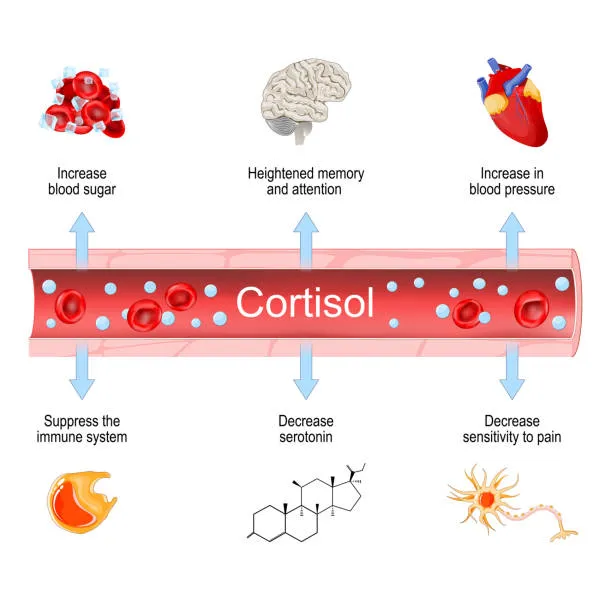
Cortisol, often called the stress hormone, plays a pretty important role in helping us respond to immediate threats.
It’s like a spark to fuel – it mobilizes energy, sharpens focus, and temporarily suppresses non-essential functions like digestion and reproduction.
This system works brilliantly for short-term challenges. But when stress becomes chronic, cortisol levels remain elevated far beyond their intended duration, transforming from protector to destroyer.
Prolonged cortisol elevation triggers widespread biological disruption. It promotes visceral fat accumulation, particularly around the midsection, creating the dangerous “apple shape” body type associated with metabolic syndrome.
This isn’t just an aesthetic concern – belly fat acts as an endocrine organ, producing inflammatory compounds that further accelerate aging.
Cortisol also breaks down muscle tissue for energy, leading to sarcopenia (age-related muscle loss) that typically doesn’t begin until much later in life.
The Inflammatory Cascade
Chronic cortisol exposure creates a pro-inflammatory state throughout the body.
Inflammation, while essential for healing acute injuries, becomes destructive when chronic. This persistent inflammation damages blood vessels, accelerating atherosclerosis and increasing heart disease risk.
It disrupts insulin signaling, promoting diabetes. It even crosses the blood-brain barrier, contributing to neuroinflammation linked to depression, anxiety, and cognitive decline.
The immune system suffers particularly under chronic cortisol exposure. While acute stress temporarily boosts immune function, chronic stress suppresses it, leaving us vulnerable to infections, slow wound healing, and even reduced vaccine effectiveness.
This immunosuppression also impairs the body’s ability to identify and destroy abnormal cells, potentially increasing cancer risk. A personal growth platform that teaches stress management techniques becomes a tool for immune system preservation.
Hormonal Chaos
Cortisol doesn’t act alone. It disrupts the entire endocrine system.
Chronic elevation interferes with thyroid hormones, slowing metabolism and promoting weight gain. It suppresses growth hormone and testosterone, accelerating muscle loss and reducing bone density. In women, it disrupts estrogen and progesterone balance, affecting everything from menstrual cycles to mood stability.
This hormonal disruption creates a vicious cycle.
Poor sleep quality from cortisol elevation leads to increased hunger hormones, driving overeating and further metabolic dysfunction.
Reduced sex hormones affect mood and motivation, making it harder to engage in stress-reducing activities like exercise or social connection.
Breaking this cycle requires comprehensive approaches that address both stress and its downstream hormonal effects.
Your Brain on Stress: Cognitive Decline and Emotional Burnout
The Shrinking Hippocampus
The hippocampus, your brain’s memory center, is particularly vulnerable to chronic stress.
Studies using brain imaging show that people with chronic stress have measurably smaller hippocampi, with volume reductions of up to 14% in severe cases.
This isn’t just correlation. Animal studies confirm that stress hormones directly kill hippocampal neurons and suppress the growth of new ones.
This hippocampal atrophy manifests as memory problems that go beyond normal forgetfulness.
People experience difficulty forming new memories, struggle with spatial navigation, and lose the ability to distinguish between similar experiences – a phenomenon called pattern separation that’s crucial for accurate memory formation.
These changes mirror those seen in early Alzheimer’s disease, and indeed, chronic stress is now recognized as a significant risk factor for dementia.
The Overactive Amygdala
While the hippocampus shrinks, the amygdala (your brain’s fear center) becomes hyperactive under chronic stress.
This creates a brain primed for threat detection, seeing danger where none exists. The overactive amygdala hijacks rational thinking, making it difficult to assess situations objectively or regulate emotional responses appropriately.
This amygdala overdrive goes beyond just affecting mood. It can fundamentally alter how we process information and make decisions.
Studies show that chronic stress shifts decision-making from the thoughtful prefrontal cortex to the reactive amygdala, leading to impulsive choices and poor judgment.
This explains why stressed individuals often make decisions that perpetuate their stress, creating self-reinforcing cycles of poor choices and negative outcomes.
Mental health education that explains these mechanisms helps people understand their stress responses aren’t character flaws but biological reactions that can be modified.
Accelerated Brain Aging
The combination of hippocampal atrophy, amygdala hyperactivity, and chronic inflammation creates a perfect storm for accelerated brain aging.
People in their 30s and 40s with chronic stress show cognitive decline patterns typically seen in much older adults.
Processing speed slows, executive function deteriorates, and mental flexibility decreases. These are all hallmarks of an aging brain appearing decades early.
Neuroimaging studies reveal that chronic stress accelerates brain age by an average of four years, with some individuals showing brain ages ten years older than their chronological age.
This premature brain aging is associated with increased risk of neurodegenerative diseases, stroke, and mental health disorders.
A healthy lifestyle community that prioritizes stress reduction becomes essential for preserving cognitive function across the lifespan.
Reversing the Clock: How Nervous System Regulation Slows Aging
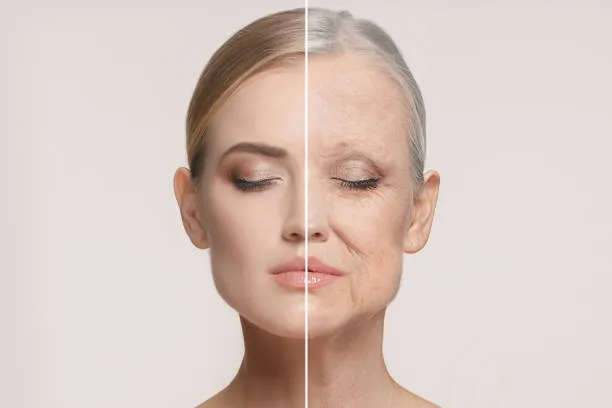
The most exciting discovery in stress and aging research is that damage isn’t permanent.
Studies show that stress-reduction interventions can actually lengthen telomeres and reverse some cellular aging markers.
Dr. Blackburn’s research found that people who practiced meditation for just 12 minutes daily showed increased telomerase activity within weeks, with some participants showing telomere lengthening after several months of practice.
Exercise emerges as particularly powerful for cellular renewal. Moderate aerobic exercise increases telomerase activity by up to 200%, while also promoting the production of brain-derived neurotrophic factor (BDNF), often called “Miracle-Gro for the brain.”
This combination protects existing neurons while promoting the growth of new ones, particularly in the stressed hippocampus. Even walking for 30 minutes daily can measurably slow cellular aging within months.
Daily Rituals for Nervous System Healing
Creating a daily practice for nervous system regulation doesn’t require hours of meditation or expensive interventions.
Simple slowing movements and breathwork techniques like box breathing (4-4-4-4 count breathing pattern) activate the parasympathetic nervous system within minutes, countering stress-induced sympathetic overdrive.
Progressive muscle relaxation before bed improves sleep quality while reducing nighttime cortisol levels.
Social emotional learning plays a crucial role in stress resilience. Learning to identify and label emotions reduces amygdala reactivity, while developing emotional regulation skills prevents stress spirals.
These skills, once thought to be fixed in childhood, show remarkable plasticity even in adults. Regular practice of emotional awareness and regulation can rewire stress response patterns within weeks.
The Power of Connection
Social connection emerges as one of the most powerful anti-aging interventions available.
Studies show that strong social bonds can add seven years to life expectancy – more than quitting smoking. Social support buffers stress hormones, with research showing that simply holding a loved one’s hand reduces cortisol response to stressors by up to 50%.
Building and maintaining social connections requires intentionality in our increasingly isolated world. Joining groups aligned with personal interests, volunteering for causes that matter, or participating in community activities creates natural opportunities for connection.
A platform for social impact that combines stress reduction with community engagement addresses both individual and collective well-being, creating positive feedback loops where helping others reduces personal stress while building social bonds.
Sleep: The Ultimate Recovery Tool
Quality sleep represents the body’s primary recovery period from daily stress. During deep sleep, the brain’s glymphatic system removes metabolic waste, including proteins associated with Alzheimer’s disease.
Growth hormone peaks during sleep, repairing tissues damaged by daytime cortisol. The brain consolidates memories and processes emotions, preventing the accumulation of psychological stress.
Yet chronic stress severely disrupts sleep architecture, creating another vicious cycle. Breaking this cycle requires sleep hygiene practices: consistent sleep schedules, cool dark rooms, and avoiding screens before bed.
Cognitive behavioral therapy for insomnia (CBT-I) shows remarkable effectiveness, with improvements in sleep quality translating directly to reduced inflammatory markers and improved telomerase activity.
It’s Time to Start Seeing Stress Resilience as Life Extension
The science is clear: chronic stress ages us rapidly at every level, from our DNA to our organs to our brains.
But equally clear is our remarkable capacity for renewal.
Unlike chronological aging, stress-induced aging is largely reversible through accessible interventions that anyone can implement.
The key lies not in eliminating stress – an impossible goal in modern life – but in building resilience and recovery capacity.
This means developing a toolkit of stress-management techniques, creating supportive social networks, and prioritizing recovery activities like sleep and exercise.
It means understanding that time spent on stress reduction isn’t selfish but essential for longevity and quality of life.
Ready to slow down your biological clock? Join AlignUs to access evidence-based tools, a supportive community, and expert guidance for managing stress and optimizing longevity.
Together, we can reverse the effects of aging and live our healthiest, happiest lives.
How a Mental Health Platform in Louisiana Can Reduce Stress and Improve Lives

Louisiana finds itself at a critical intersection of social, economic, and health challenges that have earned it an unwelcome distinction: the third most stressed state in America.
This isn’t just a ranking. It’s a reflection of real suffering that shows up across the state. It’s happening in emergency rooms and funeral homes, and can be seen in the empty chairs at family dinners.
But how did the state get here? What can be done to turn the tide of crisis?
Read on to learn a bit more about how stress operates as both cause and consequence of Louisiana’s health crisis – and how we can take the first step toward healing as a community and a state.
Why Louisiana Ranks #3 on the Stress Scorecard
According to a 2025 analysis of all 50 states across 40 stress indicators, Louisiana scored 56.21 out of 100 – placing it behind only New Mexico and Nevada in overall stress levels.
But what makes Louisiana’s stress particularly insidious is its multifaceted nature – this isn’t stress from a single source but a convergence of pressures that trap residents in cycles of struggle.
Louisiana holds the dubious honor of having the lowest job security in the nation, meaning workers live in constant fear of unemployment.
The state ranks second for both the lowest median credit score (675, barely above “fair” credit) and the highest percentage of population living in poverty.
Nearly 12% of Louisianans report being unable to see a doctor in the past year due to prohibitive costs, creating a dangerous gap where treatable conditions become chronic diseases.
The Cumulative Burden
What distinguishes Louisiana’s stress profile is how these factors compound each other.
- Financial insecurity connects directly to relationship strain, as evidenced by Louisiana’s third-highest divorce rate.
- Economic pressure is linked to safety concerns through the state’s second-highest crime rate per capita.
- Limited resources translate to inadequate mental health support, with Louisiana having the fifth-fewest psychologists per capita nationally.
Food insecurity adds another layer to this stress matrix. With 15.8% of Louisiana households experiencing food insecurity (far exceeding the national average of 11.7%) and 6.8% facing “very low” food security, the basic act of feeding one’s family becomes a source of chronic anxiety.
From Normal Strain to Pathogenic Stress
Every life contains stress, but Louisiana demonstrates what happens when normal life strain tips into pathogenic territory.
The state ties for third in average hours worked per week and ranks fourth for the least average sleep per night.
How is this possible? Think of the workers who push themselves to exhaustion trying to maintain financial stability in an economy that offers little security, sacrificing sleep that their bodies desperately need for recovery and repair.
This transition from manageable stress to health-destroying pressure happens when multiple stressors converge without adequate resources for coping.
When someone works multiple jobs yet still can’t afford healthcare, when neighborhoods lack safe spaces for exercise or relaxation, when social support systems fracture under economic pressure, stress stops being a temporary challenge and becomes a chronic condition that rewrites biology itself.
A mental health platform in Louisiana that understands these interconnected stressors could help identify when individuals cross this dangerous threshold.
When the Brain & Body Fire Together: Stress, Inflammation & Disease Cascades
The Biological Price of Chronic Stress
Chronic stress can fundamentally alter how the body functions at the cellular level.
When stress becomes chronic, the hypothalamic-pituitary-adrenal (HPA) axis stays activated, flooding the system with cortisol that was meant for short-term emergencies, not years-long struggles.
This constant activation triggers a cascade of biological changes. The stress response system, designed to help humans survive immediate threats, becomes destructive when it never turns off.
This can be seen in how elevated cortisol disrupts insulin signaling, leading to insulin resistance and metabolic syndrome. Blood pressure stays high as blood vessels remain constricted, preparing for dangers that never materialize but damage cardiovascular systems nonetheless.
Louisiana’s Disease Profile: Stress Made Visible
The Louisiana Health Report Card reveals how chronic stress manifests in population health.
- Louisiana ranks 49th nationally for adult obesity, with 40.1% of adults classified as obese, 19% above the national average.
- The state sits at 44th for diabetes rates, with 14.7% of adults diagnosed, nearly 28% above national averages.
- For cardiovascular disease, Louisiana ranks 43rd, showing how stress-induced inflammation and metabolic dysfunction create overlapping epidemics.
These rankings aren’t independent phenomena but interconnected outcomes of chronic stress exposure.
For instance, stress increases cortisol, which promotes abdominal fat storage. This visceral fat acts as an endocrine organ, producing inflammatory compounds that worsen insulin resistance.
Insulin resistance drives diabetes development while inflammation damages blood vessels, accelerating cardiovascular disease.
As you can imagine, each condition amplifies the others, creating disease cascades that conventional medical care struggles to interrupt.
Stress as a Biological Amplifier
What’s most concerning is how stress acts as a biological amplifier, making bodies more vulnerable to every other health threat.
Chronic stress suppresses immune function, increasing susceptibility to infections. It disrupts sleep architecture, preventing the deep sleep necessary for cellular repair. It alters gut microbiome composition, affecting everything from nutrient absorption to neurotransmitter production.
Now consider this in Louisiana’s context. Poor diet becomes more harmful when consumed by a stress-dysregulated metabolism. Environmental toxins cause more damage to bodies already inflamed by chronic stress. Limited healthcare access becomes more dangerous when stress has already pushed bodies toward disease thresholds.
This is why any mental health platform in Louisiana must address stress not as an isolated mental health issue but as a fundamental determinant of physical health outcomes.
Life Expectancy and the Weight of Cumulative Stress

Louisiana’s life expectancy tells the story that statistics alone cannot capture. The state’s overall life expectancy sits significantly below the national average, but the parish-by-parish breakdown reveals devastating disparities.
Bienville Parish residents live to just 68.6 years, which is 5.4 years below the state average. Morehouse Parish follows at 68.7 years, Washington at 69.5 years, St. Landry at 70.0 years, and Madison at 70.2 years.
The geography of shortened lives maps directly onto the geography of stress. The parishes with the lowest life expectancies consistently show the highest poverty rates, least healthcare access, and greatest environmental hazards.
This isn’t a coincidence but causation. Chronic stress literally steals years from people’s lives through accelerated biological aging, increased disease burden, and elevated mortality from what researchers now call “deaths of despair.“
The Compound Interest of Stress
Stress operates like compound interest in reverse, accumulating damage that accelerates over time.
Early life stress creates biological vulnerabilities that persist into adulthood. These early wounds make individuals more reactive to future stressors, creating a hypersensitive stress response system that overreacts to even minor challenges.
In Louisiana, this effect spans generations. Parents stressed by financial insecurity and job instability create home environments marked by tension and unpredictability. Children absorb this stress, developing dysregulated stress response systems that affect their academic performance, emotional regulation, and physical health.
These children then carry stress-altered biology into their own adult lives, where Louisiana’s economic and social challenges trigger the vulnerabilities established in childhood.
The state’s high rates of adverse childhood experiences (ACEs) create a population primed for stress-related disease. When combined with ongoing adult stressors, the cumulative burden becomes overwhelming.
Bodies age faster under this pressure, with telomeres shortening more rapidly, inflammation markers remaining elevated, and organ systems deteriorating ahead of schedule.
Breaking Points: When Systems Fail
Louisiana demonstrates what happens when stress overwhelms both individual and systemic capacity for resilience.
The state’s limited mental health infrastructure means most residents face stress without professional support:
- Community support systems, traditionally strong in Louisiana, fracture under economic pressure as families scatter seeking employment and neighborhoods destabilize from disinvestment.
- Healthcare systems, already strained, cannot address the root causes of stress-related disease.
- Emergency rooms treat hypertensive crises but can’t address the job insecurity driving blood pressure skyward.
- Clinics prescribe diabetes medication, but can’t solve the food deserts that make healthy eating impossible.
This symptom-focused approach fails to interrupt the stress-disease cascade, leading to recurring crises that drain both individual and systemic resources.
Practical and Systemic Solutions

While systemic change remains essential, individuals need immediate tools for managing stress in their daily lives.
Physical Exercise
For example, regular physical activity, even just 20 minutes of walking daily, can quickly reduce cortisol levels and inflammatory markers.
Louisiana’s climate allows year-round outdoor activity, making exercise accessible even without gym memberships. Community walking groups provide both exercise and social connection, addressing multiple stress factors simultaneously.
Mindfulness
Mindfulness practices offer another evidence-based approach to stress reduction. Simple breathing exercises activate the parasympathetic nervous system, countering stress-induced sympathetic activation.
These techniques cost nothing and can be practiced anywhere – during work breaks, while commuting, or before sleep. A mental wellness platform in Louisiana could make these techniques more accessible through guided exercises tailored to local stressors and cultural preferences.
Sleep
Sleep hygiene becomes critical when stress disrupts rest. Establishing consistent sleep schedules, limiting screen exposure before bed, and creating cool, dark sleeping environments can improve sleep quality even amid stress.
Given Louisiana’s ranking as fourth-worst for average sleep hours, prioritizing rest represents a fundamental intervention for breaking stress-disease cycles.
Community Engagement
Community engagement provides powerful stress buffering. Whether through church involvement, cultural activities, or volunteer work, social connection reduces stress hormones and increases resilience.
Louisiana’s rich cultural traditions offer natural opportunities for stress-relieving social connections that a wellness platform in Louisiana could help facilitate and coordinate.
Systemic Changes: Addressing Root Causes
Individual coping strategies alone cannot solve Louisiana’s stress crisis. Systemic interventions must address the structural factors generating chronic stress.
For example, reducing financial stress related to healthcare and increasing access to both physical and mental health services. Expanding community health centers further could make care available regardless of insurance status status.
Raising the minimum wage would directly address financial stress for Louisiana’s working poor. When full-time employment provides living wages, the cascade of stress from financial insecurity diminishes.
Investment in mental health infrastructure requires both increasing provider availability and reimagining service delivery. Training community health workers in basic mental health support could extend professional capacity. School-based mental health services could identify and address stress early, preventing lifelong consequences.
The best mental health platform in Louisiana would integrate with these community-based services, creating a comprehensive support network rather than isolated interventions.
Building a Less Stressed Louisiana
Louisiana’s path forward requires recognizing stress as both a public health crisis and a social justice issue.
The communities experiencing the most severe stress – predominantly Black, low-income, and rural populations – have historically received the least investment in stress-reducing infrastructure. Addressing this inequity means prioritizing resources for communities where stress burden is highest.
Education systems must become trauma-informed, recognizing how stress affects learning and behavior. Teaching stress management alongside traditional academics equips students with lifelong tools for health protection.
Employers play a crucial role in stress reduction through fair wages, predictable schedules, and respect for work-life balance.
Companies that invest in employee wellbeing through stress management programs, mental health benefits, and supportive workplace cultures see returns through reduced absenteeism and increased productivity.
A mental health platform in Louisiana designed for workplace wellness could help businesses support employee mental health while improving their bottom line.
Help Us Take The Step From Survival to Thriving
Louisiana stands at a crossroads. The state can continue accepting extreme stress as inevitable, watching residents die younger and sicker than Americans elsewhere.
Or Louisiana can recognize chronic stress as a solvable problem requiring coordinated action across individual, community, and policy levels.
The solutions exist – if we’re willing to take a first step.
Change begins with recognition that Louisiana’s stress crisis isn’t natural or necessary but the product of policy choices and systemic neglect.
Every preventable death, every child whose potential is limited by toxic stress, every family broken by pressure represents a failure of systems, not individuals.
By addressing root causes while supporting individual resilience, Louisiana can transform from the third most stressed state into a model for how communities heal from collective trauma.
Do you want to help be part of Louisiana’s healing? At AlignUs, we are building a new kind of support system that addresses stress at both the individual and community levels. But it takes every one of us doing our part to make it a reality.
We invite you to join us in creating the connections and resources that help Louisiana move from surviving to thriving. Together, we can create a brighter future for our state and its people, and if we come together as a community, we can make this healing possible.
Mental Health Legacy in New Orleans: Long Shadows of Katrina and Trauma

We’re living in a time when crises seem to cascade daily. It’s easy to forget that some wounds never fully heal.
Yet for the people of New Orleans, the past isn’t past.
Nearly two decades after Hurricane Katrina’s waters receded, the trauma remains. IN fact, it’s still flowing through generations like an invisible current, shaping everything it touches.
Residents of New Orleans’ most affected neighborhoods, like Tremé, are now more vulnerable to “deaths of despair” – suicide, overdose, and chronic illness linked to hopelessness – than 99% of all American neighborhoods.
Louisiana holds the grim distinction of being the state most vulnerable to these deaths. But numbers alone can’t capture the weight of collective grief. And here at AlignUs, we are committed to helping individuals and their communities grow and and heal from their past traumas
This is the story of a city still learning to breathe underwater, and why a mental health platform in New Orleans isn’t just needed – it’s essential for survival.
The Anatomy of Collective Trauma
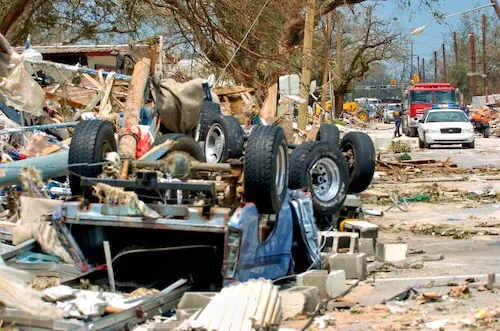
Hurricane Katrina didn’t just destroy buildings. It shattered the collective psyche of a city.
The official death toll reached nearly 2,000, but the true casualties extend far beyond those numbers.
Approximately 1.5 million residents were displaced, with 80% of New Orleans submerged. The Lower Ninth Ward and Seventh Ward, predominantly Black neighborhoods built on vulnerable clay soil near the Mississippi River, were obliterated.
But what made Katrina uniquely traumatic wasn’t just the hurricane itself—it was the betrayal. The levees failed. The government failed. The promise that infrastructure would protect citizens failed.
A CDC assessment in October 2005 found that over 50% of returning residents needed mental health treatment, showing signs of anxiety, PTSD, and depression. Five years later, studies showed the rate of probable serious mental illness had doubled.
The city lost more than half its mental health professionals in the storm’s aftermath, and suicide rates nearly tripled.
Generational Transmission: Trauma in the DNA
Children who survived Katrina displayed immediate trauma responses – including panic attacks, hypervigilance, nightmares of rising water.
Now, as adults, many exhibit ongoing anxiety, depression, and PTSD that they’re unknowingly passing to their own children.
Trauma alters gene expression through epigenetic changes, literally rewriting how stress hormones are produced and regulated across generations.
The concept of “anniversary reactions” compounds this generational trauma. Every hurricane season, every heavy rain, every emergency siren triggers the body’s alarm system.
Parents who survived Katrina now watch their children experience anxiety they can’t fully explain – a fear inherited from a storm they never lived through.
This is why a mental health platform in New Orleans must address not just individual trauma but intergenerational healing.
Compound Trauma: When Disasters Never Stop
But Katrina wasn’t an endpoint. It marked the beginning of a cascading series of crises.
Hurricane Isaac in 2012, Hurricane Ida in 2021 (the strongest storm in Louisiana history), countless tornadoes, winter storms, and then COVID-19 hitting an already traumatized population.
Each new disaster doesn’t just add trauma; it multiplies it, reopening wounds before they can heal.
The violence that followed adds another layer. As social networks shattered and economic opportunities vanished, crime increased.
Louisiana led the nation in murder rates for 31 consecutive years between 1980 and 2021. The trauma isn’t from one source, but from living in a constant state of threat, where the next crisis is always on the horizon.
The Perfect Storm of Despair
New Orleans sits in a bowl below sea level, sinking further each year. But not all neighborhoods face equal risk.
The same communities devastated by Katrina (predominantly Black, low-income areas) remain most vulnerable to flooding.
This isn’t a coincidence; it’s environmental racism embedded in city planning, where certain lives are deemed more worthy of protection than others.
Living with this constant threat creates what psychologists call “anticipatory trauma”—the stress of waiting for the next disaster.
Every hurricane season brings not just weather but existential dread.
Climate anxiety in a sinking city isn’t abstract; it’s the daily reality of wondering whether your home, your neighborhood, your entire community will exist next year.
This ongoing environmental stress makes traditional mental health interventions insufficient – any mental wellness platform in New Orleans must address the intersection of climate trauma and racial injustice.
Social Fabric Torn Apart: The Diaspora of Despair
Katrina didn’t just destroy houses – it destroyed families and social and cultural realities.
Cultural traditions, gathering places, and support networks that had sustained communities through centuries of hardship disappeared.
This social fragmentation creates what researchers call “social death” – the loss of identity, belonging, and purpose that comes from severed community ties.
Without these connections, individual trauma becomes unbearable. The mutual aid networks, second-line parades, and neighborhood gatherings that once provided informal mental health support are gone, leaving people isolated with their pain.
Deaths of Despair: The Final Toll
The term “deaths of despair” emerged in the late 1990s to describe fatalities from suicide, addiction, and chronic diseases linked to hopelessness.
Initially affecting white Americans most, these deaths among Black Americans have now surpassed white rates – a shift directly linked to accumulated trauma and systematic abandonment.
Recent research analyzed 184 social and environmental metrics across 70,000 neighborhoods.
Their findings? Louisiana residents face the highest vulnerability to deaths of despair in the nation. In Tremé, residents are more vulnerable to these deaths than 99% of American neighborhoods.
Another study revealed that Black people experience mortality increases for up to 15 years after hurricanes, three times higher than white populations exposed to the same storms.
This isn’t because hurricanes hit Black communities harder initially, but because of the compounding challenges that follow: less money, fewer resources, worse healthcare, and chronic stress that accumulates over decades.
These disparities make clear why the best mental health platform in New Orleans must center racial equity and long-term support.
The Healing Response
So, what’s the solution? It’s multifaceted – and it starts with addressing the issues head-on.
The New Orleans Health Department has implemented trauma-informed initiatives, while schools have expanded mental health programs.
The ratio of mental health providers in New Orleans (340:1) beats the national average (500:1). Yet, approximately 38% of Louisiana adults with mental illness receive any treatment, below the national average and inadequate for the scale of need.
Local hospitals have adopted trauma-informed care models, recognizing that physical and mental health are inseparable. Telehealth expansions during COVID-19 created new access points, particularly for those in underserved areas.
But these institutional responses often fail to address root causes – treating symptoms while the underlying disease persists.
Cultural Healing Practices
New Orleans’ survival secret has always been its culture – and that’s where so much of the healing comes from.
The city’s history of resilience and resistance, combined with its vibrant music, art, and food scenes, provides a unique backdrop for cultural healing practices.
Music therapy programs use jazz, bounce, and brass bands to process trauma through rhythm and movement. The Mardi Gras Indians preserve not just traditions but identity, using masking as a form of resistance and resilience.
These cultural practices aren’t separate from mental health—they’re essential to it. Any effective mental health platform in New Orleans must integrate, not replace, these indigenous healing modalities. Technology should amplify culture, not erase it.
Innovation and Technology
While traditional therapy remains inaccessible for many, digital solutions are emerging. Telehealth expanded during the COVID-19 pandemic, reaching previously isolated communities.
Crisis hotlines adapted to text messaging, meeting younger generations where they communicate. Apps focused on trauma-specific interventions provide coping strategies between therapy sessions.
But technology alone isn’t enough. The most promising innovations blend digital accessibility with cultural competence.
A mental health platform in New Orleans that understands jazz as therapy, that recognizes anniversary reactions during hurricane season, that connects users to both licensed therapists and community healers – this hybrid model could bridge the gap between need and resources.
The key is ensuring technology amplifies rather than replaces human connection. Automated chatbots can’t hold space for grief. Algorithms can’t understand what it means to lose your grandmother’s house – where four generations gathered.
But technology can connect survivors across the diaspora, preserve healing traditions, and make culturally competent care accessible to those who’ve been historically excluded.
The Path Forward
Individual therapy cannot heal collective trauma. It requires a communal movement.
Mental health interventions that ignore poverty, environmental racism, and ongoing displacement treat symptoms while the disease spreads.
True healing requires addressing root causes: investing in flood protection for all neighborhoods, not just wealthy ones; creating economic opportunities that provide dignity along with income; rebuilding social infrastructure that reconnects scattered communities.
Prevention must precede crisis. Waiting until someone reaches the breaking point is too late. Schools need trauma-informed education starting in kindergarten.
Workplaces need mental health resources as standard as health insurance. Communities need gathering spaces where connection happens naturally, where isolation can’t take root.
A New Model for Support
The future of mental health support in New Orleans can’t replicate failed models from elsewhere. It must emerge from the city’s own wisdom, honoring both pain and resilience.
This means integrating traditional therapy with cultural practices, combining individual healing with community restoration, and addressing trauma while fighting its ongoing sources.
A mental wellness platform in New Orleans designed by and for New Orleanians would look different from anything Silicon Valley might create.
It would recognize that healing happens in second lines and church pews as much as therapy offices. It would also know that processing trauma might mean making music, cooking traditional foods, or simply sitting in silence with others who understand without explanation.
Most importantly, it would center those most affected – Black residents, low-income communities, those still displaced – as experts in their own healing rather than passive recipients of others’ interventions.
Their voices, not distant funders or outside experts, must guide what recovery looks like.
Making Mental Health Accessible to All
Accessibility means more than affordability.
It means therapy in languages besides English, acknowledging New Orleans’ diverse communities. It means providers who understand that missing an appointment might mean choosing work over healing, not resistance to treatment.
The best mental health platform in New Orleans would meet people where they are – physically, emotionally, culturally.
This might mean therapists in barbershops, support groups in churches, or crisis intervention at jazz festivals. It means working with existing community structures rather than imposing new ones, amplifying indigenous wisdom rather than importing foreign solutions.
Insurance reform is essential. Medicaid reimbursements that don’t cover therapists’ basic expenses guarantee that those most needing help can’t access it.
But beyond policy changes, we need imagination – new models that bypass broken systems entirely. Community therapy funds, sliding scales based on neighborhood rather than individual income, mutual aid approaches that recognize healing as a collective responsibility.
The Storm Continues – But We Can Find The Sunlight
Twenty years after Katrina, New Orleans remains in active trauma. The storm never really ended; it transformed into poverty, violence, displacement, and despair that continue claiming lives.
Yet New Orleans also remains undefeated. In Thursday night healing circles, in second lines that refuse to stop, in young people who transform trauma into art, the city demonstrates that survival isn’t just enduring – it’s insisting on joy despite everything trying to steal it.
This resilience isn’t romantic; it’s rebellion against a system content to let Black communities drown, literally and metaphorically.
Here at AlignUs, we’re building an online platform to connect and uplift those fighting for justice and change. Together, we can create a storm of our own – one that brings healing and hope instead of destruction.
Ready to be part of the solution? AlignUs is building a new model for mental health support that honors both individual and collective healing.
Join us in creating platforms that don’t just treat trauma but transform the conditions that create it.
Because New Orleans doesn’t need saving – it needs justice, resources, and recognition that its wounds are America’s wounds, and its healing is essential for us all.