Losing Light, Losing Mind: Time to Retire Daylight Saving?

It’s that time of year again – the clocks have fallen back, darkness descends by 5 pm, and many of us are left feeling moody, unmotivated, and just a little bit glum. 

You’re not alone! The return of Standard Time can deliver an emotional wallop, even for those not prone to seasonal sadness. It upends circadian rhythms we’ve established over months of later dusks and disrupts the critical body chemicals that maintain our mood and energy. 

Though it might seem like an arbitrary change of 60 minutes, studies show turning back the clocks in winter is linked to actual decreases in happiness and well-being.

So, how did we end up with this seasonal assault on mental health and pep? The idea of daylight saving time (DST) arose over a century ago when an entomologist wanted more afternoon daylight for collecting bugs. In some form or another, most American states persevered with clock shifting to extend sunny evenings deeper into spring and summer. 

But the psychological toll of darker winter mornings continues, even as the energy-saving arguments for switching time zones have fallen away. Emerging research confirms this public health burden – and suggests it’s time to ditch the bi-annual change.

Let’s explore the surprising mental health impacts of daylight saving time in winter and why reform is overdue. We also provide pro tips and lifestyle tweaks to help safeguard your state of mind. Stick with us to learn how to keep your glow through the gloom!

When Losing An Hour Feels Like Losing Your Mind

Shifting the clocks back an hour in November delivers a special kind of one-two punch when it comes to mental health. Not only do we lose one precious hour of evening daylight, but disrupting our natural circadian rhythms can also hamper mood and cognitive function. 

When these body clock disruptions occur regularly, as they do twice per year with daylight saving time, effects may linger longer than the few groggy days adjusting to the initial time change.

Specifically, the move to standard time each winter causes most people’s biological wake times to shift one hour later, out of sync with fixed school/work schedules. 

Experts say this one-hour misalignment between what our bodies expect and what our morning alarms demand leads to disrupted sleep-wake cycles through late fall and winter. Lost sleep and fighting against your natural circadian clock leave you more vulnerable to feeling disoriented, sluggish, and moody.

Studies also link the November time change to decreased life satisfaction and poorer concentration. For those prone to seasonal depression or winter blues, dubbed seasonal affective disorder (SAD), darker mornings can further diminish mood and motivation. 

The plunge in natural sunlight exposure plus the metabolic effects of circadian cycle shifts appear to worsen low mood, fatigue, cravings, and low motivation for those with SAD.

Daylight Saving’s Dubious Origins and Purpose

So, what led to this seemingly antiquated practice, and why do we still fall back?

Modern daylight saving time traces its origins to prominent entomologist George Hudson who 1895, proposed changing the clocks to have more after-dinner sunshine for his insect collecting hobby. The idea of aligning clock time to maximize useful daylight caught on over the next few decades, often linked to energy conservation goals and wartime policies.

Germany and Austria were the first to officially adopt daylight saving time in 1916 to conserve coal during World War I by reducing evening lighting demands. 

The United States followed soon after, enacting daylight saving as a wartime fuel policy from 1918-1919 and again during World War II. Year-round daylight saving time was instituted again from 1974 to 1975 when the oil embargo triggered energy worries.

Though first intended to pare evening electricity usage, researchers have since debunked theories that daylight saving actually decreases energy demands. One meta-analysis covering decades of DST shifts found no statistically significant drop in overall electricity use resulting from the bi-annual change. Our internal circadian cycles still drive similar waking/sleeping times regardless of clock time.

Yet tradition continues to trump science, it seems. Today, approximately 70 countries utilize some version of daylight saving time, setting clocks forward in spring and rolling them back in fall to take advantage of longer summer daylight. 

Despite questionable energy-saving outcomes, sticking to daylight saving time remains the default for most governments worldwide.

Time for Change? Rethinking Daylight Saving in the Modern Era

While the original intentions behind daylight saving time may have been reasonable for the early 20th century, evidence builds that this antiquated practice now causes more harm than good in modern societies. 

Beyond questionable energy-saving outcomes, public health arguments reveal shifting the clocks two times per year serves to disrupt circadian rhythms and enable mood disorders for millions vulnerable to seasonal depression.

In recent years, objections have mounted from sleep scientists and mental health experts who argue the bi-annual time changes are an “unnecessary, health-damaging anachronism.” Lawmakers now face growing calls to review the practice through a modern lens. Initiatives gaining traction include:

Permanent Standard Time: Removing time shifts altogether by sticking to permanent standard time would allow better alignment of clock time with most people’s innate circadian cycles without fall/spring disruptions.

Delaying School Times: An alternative solution is keeping daylight saving or summer hours but adjusting school and work start times later to match time changes. Several states are now considering bills to institute later school times to benefit adolescent health.

More Research: Governments continue funding research studies on the health, safety, and economic impacts of switching between standard and daylight saving time. Findings inform modern debate on DST’s merits.

Coping with the “Time Change Blues”

As momentum gathers to eliminate bi-annual time changes, you may still need to cope with disrupted mood, energy, and sleep cycles over this darker fall and winter. When standard time starts wreaking havoc, proactively safeguard both physical and mental health using research-backed strategies:

Prioritize Sleep: Ensure sufficient sleep opportunity by adding extra cushion to bedtimes. Protect sleep quality by maximizing a dark/cool/quiet bedroom environment – so important for a good night’s rest!

Get That Needed Light Exposure: Spend more time outdoors during daylight to help reset circadian rhythms, especially in the mornings. Indoor light therapy lamps can also offset seasonal sunlight dips, helping to reduce fatigue and improve mood.

Stay Active: Move the body to lift mood and energy; regular exercise can help re-regulate sleep patterns throughout these longer days/shorter nights.

Nourish with Healthy Eating Habits: Consume nutrient dense meals to promote mental clarity – think salmon, leafy greens, avocado! Also, resist cravings for sugary/processed comfort foods that only provide a short-lived sugar rush.

Monitor Screen Time: As evening approaches earlier each night, be mindful of overusing screens, as this can disrupt the natural melatonin production needed for restorative sleep.

Preempt the Winter Blues: Boost mood-friendly lifestyle habits before seasonal sadness strikes by building physical activity, social connections, nutritious eating and stress resilience practices into fall and winter routines.

Know When to Seek Help: Consult your doctor or mental health professional if low mood, low energy, and sleep disruptions persist despite self-care efforts. Winter-pattern seasonal affective disorder (SAD) may require specific treatment.

Though challenging, reminding yourself the dark mornings and earlier sunsets are temporary can help fortify mental resilience. Within several winter weeks, most people adapt their circadian rhythms to align with standard time again. Practicing healthy lifestyle habits also assists the body in adjusting and upholding mental equilibrium until longer spring days return.

Is It Time to Move On from Daylight Saving?

As we’ve explored, daylight saving time remains a common practice worldwide despite questionable energy-saving outcomes today and growing recognition of its detrimental impacts on health and wellbeing. 

The bi-annual one-hour time shifts disrupt circadian rhythms for millions, enabling mood disorders in at-risk groups. Yet addressing what’s become a public health issue garners surprising controversy.

It’s time to consider how to improve our collective quality of life by rescinding the outdated practice. With alternative energy conservation methods, we can safely transition to a unified system for all time zones and leave behind the troubles from daylight saving. 

But in the meantime, you can still make sure you’re taking steps to care for yourself and your mental health. From increasing natural sunlight exposure to setting a regular sleep routine, these simple measures can go a long way toward countering the associated adverse effects of daylight saving time.

Find Help With AlignUs

At AlignUs, we are passionate about helping you find the resources and help you need to live a happier and healthier life. 

That’s why we are committed to staying on top of current trends and research that help inform our approach, such as the impacts of daylight saving time. We understand how important it is to stay up-to-date and act purposefully to ensure everyone is living their best life — no matter what time it is!

Together, let us continue to strive for a world where people live in harmony with themselves and their environment. We can move forward together toward a brighter future by equipping ourselves with knowledge. Let’s take this small but essential step towards making daylight saving time obsolete. It starts today!


Soulful Strides: The Aligning Journey of Fitness and Spirituality in Your Life

My name is Kevin Drummond and I will be your guide on your continuous journey of alignment with AlignUS. I am truly grateful for the opportunity to share my experiences, knowledge, and energy with all of you that are reading this blog. As you continue your wellness journey with AlignUs, you will begin learning more about the many aspects of health, wellness, fitness, mindfulness, spirituality, and how they all intersect to create the greatest version of you! I hope this article finds you in good health and you find immense value in everything you are about to read. 

AlignUs is designed to be a positive social media platform that promotes healing, transformation, and connection. We are revolutionizing philanthropy in the digital age, creating sustained personal and mental well-being and most importantly, giving back to those who need it the most.

“Soulful Strides: The Aligning Journey of Fitness and Spirituality in Your Life”

Fitness is an incredible catalyst for profound change in one’s life. At some point in our lives, we realize we are not living to our full potential. We realize that we’ve only met the minimum requirements that we need to survive. When you decide to begin your fitness journey, you decide to become someone greater than you are in that moment. 

Regardless of when you start your fitness journey, the desire is the same. You decide to become better. You decide to become greater. You decide to acquire a different identity.

By creating a new identity, you are able to create new habits. You are able to create new routines. You are able to create new goals. You are able to create a different persona for yourself overall and a new definition of peace. As you acquire this new identity, you begin to elevate in other areas of your life as well. 

You begin to take soulful strides in spirituality. You begin to take soulful strides in self-love. You begin to take soulful strides in improving the relationships in your life. You begin taking strides in every area of your life! This is the power of fitness!

By no means will it be easy. However, there is no way that you can stay the same if you decide to make a commitment to yourself and a commitment to including fitness in your daily routine. We get in life what we tolerate. Choose to no longer tolerate a lack of fitness in your life. Choose to increase your minimum standards. 

How do you ask? Decide to incorporate fitness into your life today! Choose to go on a walk. Choose to go for a run. Choose to meet a step goal each day. Choose to ask a friend to be your gym partner. Choose YOU! Choose to increase your minimum standard. Choose to take a stride in the direction of your highest self.

At AlignUs, we are focused on creating a community of like-minded individuals that are committed to growth and development. We believe that by building a collective of individuals who operate with mindfulness, self-awareness, and compassion, we can help create a connected and harmonious world.

So, how will you align today? What will you commit to in order to grow? That choice is up to you. 

Have an amazing day of fulfillment.
Your Guide in Gratitude,
Kevin Drummond

Are you an overthinker? Exploring Enneagram Head Types

Do you prize knowledge, logic, and reason over emotions? Do you feel most in your element when analyzing concepts and ideas? Do you make decisions based on objective facts rather than feelings? If so, you may be one of the Enneagram’s “head types.”

The Enneagram is a personality typing system that divides people into nine types based on their core motivations, fears, and desires. These nine types are further grouped into three triads – the head triad, the heart triad, and the body triad. Each triad contains three interconnected yet distinct personality types.

The “head” types – identified by their corresponding numbers 5, 6, and 7 – are characterized by their mental orientation. They seek knowledge, security, objectivity, and detachment from their emotions. People within this triad tend to have a thirst for understanding the world around them through analyzing facts and data.

Understanding what makes the Enneagram Head Types tick – and how to engage with both their healthy and unhealthy qualities – can help build stronger relationships with them. Let’s dive into the Head Types and uncover how to best relate to them.

The Enneagram – A Quick Primer

In our past articles, we’ve covered the basics of the Enneagram, a personality typing system that categorizes nine distinct personality types. 

Each type is represented by a number, and its corresponding traits are organized hierarchically into three triads:

  • Heart (Types 2, 3, 4)
  • Gut (Types 8, 9, 1
  • Head (Types 5, 6, 7)

While every person has a unique blend of all nine types, one type usually dominates. This “number” gives deeper insight into the motivations, fears, and general tendencies of a person. When an individual can understand why they act and think the way they do, it opens up a world of clarity and self-awareness.

What are the Enneagram Head Types?

The head triad lives up to its name – these types make decisions and process information through logic, reason, and intellectual analysis. 

These types value competence, knowledge, rationality, and objectivity above all else. While they do experience emotions like anyone else, they prefer to keep them secondary to facts and critical thinking.

You can spot head types by their cerebral, analytical approach to problems. They enjoy theoretical discussions and have little patience for emotional exchanges or anything they deem irrational. They prize expertise and specialized knowledge, especially Type 5s – who have an insatiable need to accumulate information about their interests.

On the flip side, the head types may come across as overly detached, sometimes even cold. Their emphasis on objectivity can translate to dismissing or ignoring their own feelings and needs. They can also neglect the more personal, emotional concerns of others. 

Overall, the head types share a core sense of purpose – the pursuit of truth through knowledge and logic.

The Enneagram Head Types

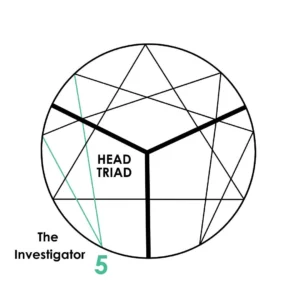
Type 5: The Investigator

Type 5s are motivated by knowledge and driven to understand the world through objective analysis. They seek mastery over concepts and will compulsively gather information about subjects that interest them.

Analytical, observant, and cerebral, Type 5s love spending time alone with their thoughts. They are often found learning and reading extensively to satisfy their need for expertise. Type 5s are independent and private, keeping their inner world under lock and key.

When healthy, Type 5s are brilliant theorists and researchers who contribute unique insights and knowledge. However, at average to unhealthy levels, the type’s withdrawn nature can cause them to become isolated and emotionally detached. At their worst, Type 5s may become nihilistic or corrupted by their endless pursuit of power and control.

Type 5s fear being useless, helpless, or incapable. They also have a deep-seated fear of lacking knowledge or resources. To defend against this fear, Type 5s withdraw and treasure their inner sanctuary of ideas. By becoming self-sufficient experts, Type 5s believe they can be prepared for any challenge that comes their way.

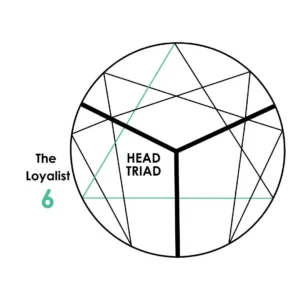
Type 6: The Loyalist

Type 6s are motivated by security and gaining support and guidance. They are the guardians of credibility, as they constantly evaluate the reliability of people and beliefs.

Practical, skeptical, and witty, Type 6s make loyal companions who bring a sense of duty and commitment to their relationships. They are community and family-oriented, excelling at collaboration and teamwork.

When healthy, Type 6s are incredibly dependable, trustworthy allies. They bring out the best in their friends and partners. However, at average to unhealthy levels, Type 6s may become paranoid, defensive, and overcompensating. At their worst, Type 6s project their fears onto the world around them and lash out against perceived threats.

Type 6s fear being without support or guidance. They are anxious about the unknown and the unpredictability of life. To defend against this, Type 6s look for structures, authorities, and beliefs to place their trust in. Reliable defenses like questioning, doubt, and humor also protect Type 6s from feared instability.

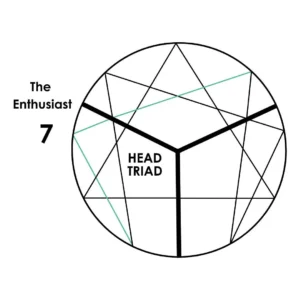
Type 7: The Enthusiast

Type 7s are motivated by variety, experience, and stimulation. They have a contagious zeal for life and spread excitement wherever they go.

Optimistic, adventurous, and energetic, Type 7s are constantly on the lookout for fun and new experiences. They prefer broad overviews and are gifted at generating new possibilities.

When healthy, Type 7s are exceptionally joyful and bring creativity and flair to everything they do. However, at average to unhealthy levels, Type 7s may become ungrounded, impulsive, and overly stimulated. At their worst, Type 7s become reckless addicts who compulsively chase stimulation to avoid pain.

Type 7s fear being trapped in emotional pain or missing out on rewarding experiences. In defense, they avoid focusing on negative emotions and painful memories. Type 7s would rather keep things upbeat and moving forward, which often means glossing over problems.

Exploring Subtypes and Instincts

While the core motivations of each type remain constant, subtypes and dominant instincts add nuance and variation to how the head types express themselves.

Subtypes indicate whether a type is influenced more by the traits of a neighboring type. For instance, Type 5w4s have a withdrawn, creative streak from the influence of Type 4.

Instincts describe if a type is more attuned to self-preservation, social interactions, or one-on-one relationships. An instinct acts as a “backup” instinct that shapes behavior.

Some examples:

  • Type 5 SP/SX: A more grounded “scientist” who balances solitary research with a passion for their field of study.
  • Type 6 SX/SP: Fiercely loyal to the inner circle while remaining wary of threats to security.
  • Type 7 SO/SP: Friendly enthusiast who needs social stimulation but avoids overindulgence.

As we can see, subtypes and dominant instincts flavor each type’s core motivations and traits. A social 6 will still be loyal but express it more openly. A self-pres 5 will still be cerebral but more focused on practical skills.

Exploring subtypes and instincts provides a fuller picture of the rich diversity within each Enneagram type – showing just how much more there is to learn about the human experience.

I Think I’m a Head Type – Now What?

If you identify with the core motivations and traits of Types 5, 6, or 7, congratulations on recognizing your Enneagram head type. This self-awareness is the first step toward growth. Now comes the fun part – understanding your core drives, gifts, and potential stumbling blocks.

From there, you can begin several exercises designed to help you understand yourself better. Start by uncovering your dominant instinct – do you gravitate toward the safety of security? The thrill of mastery? Or the intimacy of connection? 

Next, look into your subtype influences. Do they bring out more or less typical traits for your type? Learn about the four Wings and how yours affects your behavior. Finally, explore strategies for making the most of your strengths while minimizing weaknesses.

Here are some further insights that can help you navigate your self-discovery as an Enneagram Head Type:

  • Notice when you dismiss emotions or sensory experiences as irrational – instead, try sitting with your feelings as valid data points before analyzing them away.
  • Become aware of when fear is driving you – fear of being useless (5), fear of lack of support (6), or fear of missing out (7). When you notice these insecurities arising, pause and reflect on their roots rather than reacting.
  • Work on developing your weaker instincts. Head types often get stuck in their heads, so push beyond those intellectual comfort zones by proactively deepening self-care, relationships, and community connections.
  • Appreciate emotions and sensory experiences for their own sake, not just for the information they provide. Savor the moments.
  • Be wary of seeking mastery and knowledge solely for a sense of power or superiority. True wisdom involves recognizing the limits of one’s knowledge.
  • Question the assumption that your conclusions are fully objective and rational. Explore other perspectives and be open to subjects involving emotion or spirituality.

Most importantly, remember that your number does not fully define or limit you. The Enneagram is about transformation, not rigid categories. Focus on integrating the healthy traits of all nine types to become your best self. You are far more than just a head type – you are a person with unlimited potential. Embrace your growth journey and join others who are on the same path to self-discovery.

Integrate Your Head Type on the Path of Growth

The Enneagram head types offer immense gifts through their pursuit of truth, security, and possibility. Yet real transformation occurs when we collaborate across types to integrate healthy traits from all nine.

With self-awareness, head types can better understand their core motivations and patterns. But true development involves looking beyond your number to see the larger picture. How can your gifts serve something bigger than yourself?

Join the AlignUs community to connect with a worldwide group working to grow through the Enneagram. Learn how your head type can complement other types to make a real difference. Share your distinctive strengths while continuing to expand and evolve.

Together, we can support each other’s development and spread the Enneagram’s life-changing wisdom. By integrating all nine types, we tap into our full potential for positive change.

Don’t know your Enneagram Type yet?  Click here to take the test. (place the enneagram test link on the click here)

For more resources on the Enneagram Head Types, click here.

The Surgeon General’s Warning on Social Media & Children’s Mental Health

​​The Surgeon General recently dropped a bombshell: social media poses a significant risk to the mental health and well-being of an entire generation.

Let that sink in.

According to the advisory issued by Dr. Vivek Murthy, today’s youth are facing “devastating” impacts from excessive social media use, including depression, bullying, and even suicidal thoughts.

The statistics are downright alarming. Over 95% of adolescents are active on social media, with some spending upwards of 10+ hours per day scrolling, posting, and commenting. This hyper-connectivity is hijacking the brains of our youth during critical windows of development.

And the outcomes? Skyrocketing diagnoses of anxiety, self-harm, and suicidal ideation in teenagers over the last decade, especially among girls who may be especially vulnerable to negative social comparison.

Murthy’s warning is clear: Social media and youth mental health are on a collision course. The virtual world is inflicting real damage on our kids, and as stakeholders in the next generation’s well-being, it’s our responsibility to take action.

Through this blog, we’ll dive into social media’s risks to youth mental health, where we’ve gone wrong, and what needs to change. The futures of our children depend on the actions we take today.

The Surgeon General’s Warning – A Call to Action


It’s likely no surprise that social media’s impact on our lives has been less than stellar. However, the Surgeon General’s advisory presents alarming data on the impacts of social media on youth mental health:

  • Up to 95% of teenagers are active on social media platforms
  • On average, teens spend over 3.5 hours per day on social media
  • Teens spending over 3 hours a day on social media face double the risk of mental health issues like depression and anxiety
  • 46% of teens say social media makes them feel worse about their body image
  • 64% of teens are often exposed to hate-based content on social media
  • 1 in 3 teens use screens and social media until midnight or later on weekdays
  • 30-50% of adolescent girls report feeling “addicted” to certain platforms

The stats themselves paint a grim picture of how social media affects our lives, but the Surgeon General’s advisory goes even further; it warns that parents and guardians should be aware of the potentially adverse effects of exposure to social media. 

Imagine how different our children’s mental health could be if we took a strong stand to reduce the amount of time they spend on social media. We can take action and ensure that this generation of young people not only survives but thrives!

Revisiting The Risks and Harms of Social Media

The research outlined in the Surgeon General’s advisory clearly links excessive social media usage with a wide range of mental health risks and harms, especially for adolescents. 

Think of your own use of social media – do you ever find yourself mindlessly scrolling for hours, hindering your ability to focus on more important tasks? Do you feel a sense of outrage or envy when you compare your own life to the lives of others? Are you ever tempted to post things that might later be embarrassing, hurtful, or even dangerous?

Several studies have shown a dose-response relationship between time spent on social media and mental health issues like depression and anxiety. Teens spending over 3 hours per day on platforms face twice the risk of developing symptoms of anxiety or depression compared to lighter users. The more time teens spend scrolling and posting, the greater their vulnerability.

Beyond mental health, social media exposes teens to an array of potentially harmful influences:

  • Exposure to extreme, inappropriate, or dangerous content such as glorifications of self-harm, suicide, disordered eating, or substance abuse. Social media algorithms can create echo chambers around this content.
  • Compromised sleep quality and duration due to nighttime social media use. Studies show a correlation between excessive usage and sleep disorders, which potentially amplify mental health issues.
  • Reduced investment in in-person relationships and activities outside the virtual world. Teens absorbed in social media tend to spend less time interacting with family, friends, and hobbies.
  • Cyberbullying and online harassment in the form of hurtful comments, gossip, abusive messages, or privacy violations. The effects of cyberbullying compound other social media harms.

While the impacts are wide-ranging, there are also specific populations that face amplified risks from social media’s influences:

  • Adolescent girls are particularly susceptible to lowered self-esteem, body dissatisfaction, disordered eating, and even self-harm due to thin-ideal imagery and social comparison pressures on platforms.
  • Marginalized teens who lack strong support systems may turn to social media for affirmation or community, exposing them to further harms. 
  • The mental health of kids who already struggle with self-esteem, depression, or anxiety is especially vulnerable to the negative influences of social media.

The Dual Nature of Social Media – Can It Be Beneficial?

While the mental health risks of excessive social media usage are increasingly evident, it’s important to acknowledge these platforms also provide certain benefits for youth. After all, the rise of social media isn’t just an indication of how we communicate but also a reflection of our need for connection!

For some marginalized teens, social media offers a rare space for connection, community, and identity expression. LGBTQ+ youth, teens with disabilities, and members of minority groups often find acceptance and affirmation through online networks when such support is lacking offline.

  • Fostering feelings of peer acceptance and social inclusion for teens who may be isolated or bullied in school. Social media provides a platform to showcase their talents, interests, and individuality.
  • Teens can connect with peers sharing niche interests, hobbies, or fandoms they cannot easily engage with in person. The online world gives them a space to explore and celebrate their passions.
  • Providing access to social support networks, mental health resources, and crisis intervention services that youth struggling with issues like depression or self-harm can access discreetly.
  • Helping teens build self-esteem and confidence through creative expression, activism, and showcasing their skills or achievements on their profiles.

However, many of these potential benefits turn to harm at excessive levels of use. Marginalized teens seeking community may encounter hate groups or bullies online. Those reliant on social media for self-esteem can spiral into social comparison and body image issues.

Roles and Responsibilities of Stakeholders

So, how can we begin to take the Surgeon General’s call to action seriously? The responsibility falls on different stakeholders, including educators, parents, health care providers, and politicians.

Policymakers Must Strengthen Protections and Guardrails

Implement Stringent Privacy Protections

Policymakers should pass legislation strictly limiting how social media companies can collect, utilize, and share personal data from youth users. Children’s privacy must be prioritized over profits. 

Policies like the Children’s Online Privacy Protection Act (COPPA) should be updated to address modern data collection practices by social media companies – ensuring that children’s data is secure and protected from potential exploitation or misuse.

Limit Excessive Usage

Laws should be enacted to place guardrails on certain design features that drive compulsive usage among youth, such as infinite scrolling, auto-play, notifications, and algorithmic recommendations. 

Usage caps, mandatory breaks, or friction designs could be required to allow more conscious social media use. Fines for non-compliance could help spur change, helping to create a healthier and more secure online environment for children.

Expand Digital Literacy

School-based digital literacy programs focused on social media should be expanded nationwide to educate youth on risks such as privacy concerns, misinformation, and predatory behaviors. 

This instruction can empower teens to use social media more responsibly and minimize exposure to harms such as cyberbullying and online harassment.

Fund Independent Research

Policymakers must direct more funding to independent research on the mental health impacts of social media on youth. Too much research relies on limited data provided by tech companies themselves. Government funding of longitudinal studies on social media harms could address this gap.

Technology Companies Must Prioritize User Safety Over Profits

Improve Transparency

Tech companies must be more transparent and grant qualified researchers access to internal data to better understand mental health and safety impacts. Continued resistance to transparency reinforces suspicions that profits are being prioritized over user wellbeing – ultimately undermining public trust.

Prioritize Safety in Design

System design choices like autoplay, infinite scroll, and algorithmic recommendations that drive engagement at the expense of user wellbeing should be reconsidered. Elements such as “dark patterns” that encourage and reward user behavior that is harmful or addictive should be identified and eliminated.

Strengthen Age Safeguards

Parental controls, age verification mechanisms, and default privacy settings should be strengthened to better protect underage users. Loopholes that allow kids to bypass controls must be eliminated. But when thinking about how to protect young users, it’s important to remember that age is not an absolute indicator of maturity.

Remove Harmful Content

Tech companies must be more proactive in identifying and removing content that promotes self-harm, disordered eating, substance abuse, or suicide among youth. Reliance on user reporting is insufficient – AI and human moderation must be employed to help protect young users from harmful content.

Schools and Healthcare Providers Play Critical Support Roles

Integrate Social Media Wellness

Schools and healthcare providers must be engaged in conversations about social media wellness, providing guidance and resources to help young people make informed decisions when interacting on social media. This could include teaching youth digital literacy skills, such as effectively reporting concerning content.

Train Staff on Warning Signs

Teachers, counselors, and other staff require training to recognize signs of social media addiction, isolation, or declining mental health in students. Protocols should guide staff on when and how to approach students exhibiting risky online behaviors. 

This can include providing support and resources to students who may be experiencing cyberbullying, online harassment, or even dangerous behaviors such as taking part in cyber extremism.

Offer Youth Support Resources

School-based counseling and peer support groups focused on social media-exacerbated issues like body image, low self-esteem, and social isolation can provide vital lifelines for struggling youth. Referral systems to clinical providers are also critical.

Parents and Caregivers – The Frontline of Defense

Set Healthy Limits on Usage

One of the best ways to help teens manage their mental health is to set healthy, age-appropriate limits on their internet usage. 

A good goal would be to prohibit using any electronic device after a certain hour every night and monitor screen time overall. Anything done late at night, like answering emails or engaging in social media, can affect mood and mental functioning.

Discuss Online Safety

Open communication about social media risks and responsible use should begin by mid-to-late elementary school years. As a parent or caregiver, it’s important to let your teen know that they can come to you if something happens online. Let them know that you are a safe place to turn if they encounter any feelings of anxiety or depression.

Model Responsible Habits

Set a positive example by limiting your own social media use around youth and modeling self-control. Avoid shaming kids over normal exploration online, as our digital world is becoming increasingly important for communication, connection, and entertainment.

Watch for Warning Signs

Be alert for possible signs of declining mental health, like social withdrawal, mood changes, sleep issues, or talk of self-harm. Stay attuned to possible indicators of bullying, body image issues, or secret relationships. Don’t hesitate to seek professional support if you feel it is warranted.

Make Time For Unplugged Fun

Encourage children to develop offline hobbies such as painting, playing music, or gardening. Helping young people find activities that are engaging and bring a sense of fulfillment will foster healthy coping skills and reduce isolation.

The Way Forward: Balancing Social Media’s Role in Today’s Culture

While risks exist, social media is part of youth culture now and likely for the foreseeable future. A balanced approach can help maximize benefits and minimize harms – and while there is no single formula, knowing the risks is the first step toward creating a safer, healthier environment for young people.

At AlignUs, we are committed to creating an open, caring space for those looking to take back their mental health from the dangers of social media. Our growing community of individuals and families is striving to create a supportive, inspiring environment that encourages positive expression and growth. 

We want to make sure that social media positively contributes to our lives – as an exciting form of communication, entertainment, or an opportunity for self-expression – rather than becoming an obstacle to our mental health.

Together, we can use the power of social media in a healthier way that respects our safety and well-being. With the right tools, understanding, and guidance, we can create an engaging environment that helps us achieve better mental health. Join our community today!

Mindful Momentum: Elevate Your Wellness Journey with AlignUs

My name is Kevin Drummond and I will be your guide on your continuous journey of alignment with AlignUS. I am truly grateful for the opportunity to share my experiences, knowledge, and energy with all of you that are reading this blog. As you continue your wellness journey with AlignUs, you will begin learning more about the many aspects of health, wellness, fitness, mindfulness, and spirituality and how they all intersect to create the greatest version of you! I hope this article finds you in good health and you find immense value in everything you are about to read. 

AlignUs is designed to be a positive social media platform that promotes healing, transformation, and connection. We are revolutionizing philanthropy in the digital age, creating sustained personal and mental well-being and most importantly, giving back to those who need it the most.

Mindful Momentum: Elevate Your Wellness Journey with AlignUs

Do you ever have the desire to do something but it never gets done? What about trying to wake up earlier or creating healthy habits that better serve you but never actually doing it? Well, you’re not alone. Doing better and living better sounds great but it’s not always the easiest. Additionally, doing these things on your own with no help can be terrifying and can actually cause you to self-sabotage even more by just thinking about it!

A few years ago, I had these same issues and feelings. I felt stuck and wanting to do better wasn’t enough to move the needle. How could I do better was a question I didn’t have the answer to at the time. I soon realized that community and alignment was the answer. 

I needed to find a like-minded individual or community that was thinking similarly to me. I needed to be held accountable so I could create strides in the right direction. Slowly but surely, I found ways to commit myself to the changes I knew I needed. I found people who wanted to do better and backed up their desires and passion with action. I gained momentum! Three years later, I have evolved into in an individual that wakes up at 4am, is intentional about every aspect of their day, and continues to find ways to grow into the best version of me!

At AlignUs, we are focused on creating a community of like-minded individuals that are committed to growth and development. We believe that by building a collective of individuals who operate with mindfulness, self-awareness, and compassion, we can help create a connected and harmonious world.

So, how will you align today? What will you commit to in order to grow? That choice is up to you. 

Have an amazing day of fulfillment.

Your Guide in Gratitude,

Kevin Drummond

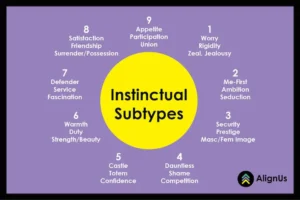
Enneagram Subtypes and Instincts

The Enneagram, with its nine distinct personality types, provides incredible insight into our diverse motivations and behaviors. 

Yet looking only at those nine types is like viewing an iceberg from the surface – it’s merely the tip, and there is a whole world of depth underneath. When we explore Enneagram subtypes and instinctual drives, we uncover a richer, multidimensional understanding of ourselves and others.

Subtypes reveal nuances within each type, allowing us to better understand our core motivations, fears, and patterns. The social instinct compels us towards relationships, while sexual focuses on intensity in one-on-one bonds. Self-preservation longs for security and stability. Instincts add a layer of flavor and shading to the types, making us more self-aware and discerning in our interactions.

Diving below the surface of the nine types can create those “aha” moments of enlightenment. We recognize ourselves and those around us with greater clarity and compassion. Self-knowledge leads to self-improvement as we learn to navigate our subtype’s gifts and pitfalls. 

The Enneagram’s depth empowers us to grow into our best selves. Join us as we explore what lies beneath the surface of your personality type, and how understanding subtypes and instincts can enrich your relationships, personal growth, and sense of meaning in life!

Internal: What Are Enneagram Subtypes?

While the nine Enneagram types capture our core motivations and fears, each type has subtle variations known as subtypes. Subtypes reveal nuances within each type’s patterns of thinking, feeling, and behavior.

Subtypes come in groups of three for each Enneagram number. For example, Type Twos have subtypes known as the Helper, the Giver, and the People Pleaser. Type Fives have the Investigator, Observer, and Thinker subtypes.

Knowing your subtype provides additional precision in understanding personality and growth areas. The differences between subtypes are not huge, but they highlight important flavors within the overall type.

Subtypes stem from Centers of Intelligence in the Enneagram system – the gut, heart, and head. The three subtypes of each type reflect the distinct lens of each center.

For instance, Fives with a head-center bias tend to be more cerebral and analytical. Fives with a gut bias are more intense and combative. Heart-biased Fives are more detached and observational.

While our core type remains constant, we can learn to access the wisdom of all three centers. Subtypes help us understand how each center shapes our motivations and perceptions.

By illuminating these nuances, subtypes make the Enneagram even more powerful for growth and relating well to others. When we understand both our type and subtype, we gain an even clearer window into self-awareness.

Subtypes for Each Enneagram Number

Type 1:

  • Perfectionist – Precise and fastidious in pursuit of the ideal.
  • Reformer – Motivated to improve the world through fixes and solutions.
  • Rationalist – Objective analysis guides decisions.

Type 2:

  • Helper – Finds meaning in meeting others’ needs.
  • Giver – Expresses love and care through generosity.
  • People Pleaser – Highly attuned to others’ expectations.

Type 3:

  • Performer – Passionate about accomplishments and success.
  • Motivator – Driven to inspire and lead teams to victory.
  • Image-Aware – Concerned with reputation and prestige.

Type 4:

  • Romantic – Idealizes meaningful relationships and aesthetics.
  • Individualist – Values authentic self-expression.
  • Artist – Channels emotional depth into art.

Type 5:

  • Investigator – Intellectually curious and analytical.
  • Observer – Detached perspective avoids bias.
  • Thinker – Theoretical and idea-oriented.

Type 6:

  • Loyal Skeptic – Questioning combined with commitment.
  • Questioner – Insatiable curiosity and contrarian thinking.
  • Duty Fulfiller – Finds security in responsible habits.

Type 7:

  • Epicure – Engages the senses and lives in the moment.
  • Entertainer – Brings fun and joy to others.
  • Optimist – Hopeful focus on possibilities.

Type 8:

  • Protector – Uses strength to defend themselves and others.
  • Leader – Takes charge and directs groups.
  • Boss – Desires control and independence.

Type 9:

  • Mediator – Calming presence that connects people.
  • Peacekeeper – Harmonizes groups and avoids conflict.
  • Comfort Seeker – Prioritizes wellbeing and relaxation.

External: What are Enneagram Instincts?

At its core, the Enneagram describes nine distinct ways of relating to the world, driven by our core desires and fears. Instincts add another layer of insight tied to three fundamental areas of motivation: self-preservation, social, and sexual. We all have each of these instincts, but one tends to be dominant and shape our personality.

The Self-Preservation Instinct

Of the three instinctual drives, self-preservation is oriented around security, survival, and meeting our basic needs. This instinct compels us to seek stability and comfort and avoid harm. At its core is a desire to ensure we have the necessities to stay safe and healthy.

Self-preservation manifests in being drawn to material security and resources. We focus on providing for ourselves and our loved ones through finances, property, assets, and “nesting.” Comfort is essential to us – we enjoy good food, a comfortable home, and other luxuries.

This instinct makes us safety-conscious, often risk-avoidant, and cautious in new situations. We prefer predictability and are wary of uncertainty. Self-care in terms of rest, health, and lifestyle stability helps us manage stress.

While the need for security drives this instinct, it can also keep us stuck. We may resist change, avoid risks needed for growth, or neglect relationships and passions that enrich life. At its best, self-preservation brings needed stability and self-care. Taken too far, it traps us in our comfort zones.

Knowing this instinctual drive provides insight into our core motivations and fears. We can find a balance between safety and a willingness to embrace change when it aligns with our purpose. Understanding self-preservation illuminates a path to self-awareness.

The Social Instinct

The social instinct drives us to seek connection, belonging, and community. This instinct focuses on relationships and roles within groups. There is a core desire for inclusion, being part of something larger than ourselves.

This instinct motivates us to invest time and energy into our relationships and social circles. We care about our standing and contribution to groups we identify with. Staying connected through communication also matters.

At its best, the social instinct fosters teamwork, camaraderie, and service to causes greater than ourselves. We support our communities and gain meaning through shared values. However, taken too far, it can lead to losing a sense of self, becoming too dependent on status, or compromising values just to fit in.

With the social instinct, there is often an idealistic streak – a vision of how community could be. We notice when groups fail to live up to their highest potential. This instinct also correlates with extroversion and preferring collaboration over working alone.

Understanding the motivations of the social instinct provides insight into our relationships, team roles, and ideals. We can better recognize when this drive leads to healthy bonding or merely conformity. Ultimately it shows us how we can best contribute our gifts to the collective good.

The Sexual Instinct

The sexual instinct drives us to seek intimate one-on-one connections and shared meaning with another person. This instinct craves intensity, chemistry, and exclusivity in relationships.

The sexual instinct is oriented around deep personal bonds, not sexuality per se. It motivates us to open up fully and be completely known by another. There is a desire for co-creation and ” merging” through shared passions and creativity.

This instinct draws us to people we feel a magnetic pull towards. We desire to explore the depths of relating to that person alone. Casual relationships often feel dissatisfying compared to relating intimately. Meaning is found through this private intensity.

A downside is this instinct can lead to jealousy, possessiveness, or losing perspective in the throes of attraction. Taken too far, it can become addictive and undermine other relationships or priorities. At its best, it forges bonds of unconditional acceptance.

The sexual instinct reveals our longing for transformative relationships. It uncovers who we are when ego barriers come down. Ultimately, it drives human closeness and vulnerability that create our most meaningful moments. Understanding this instinct leads to deeper connections.

Subtypes vs. Instincts

The Enneagram subtypes and instincts both provide additional nuance to the nine core types but in different ways. While subtypes look inward at minor flavors within each type, instincts look outward at how we relate to the external world.

Subtypes reflect variations in how the type characteristics manifest in thoughts, emotions, and behaviors. For example, Helper Twos and Giver Twos express their core motivations in slightly different ways but are still Twos at heart.

In contrast, instincts capture inherent drives and motivations oriented around relationships, security, or intensity. Our dominant instinct shapes behavior across types. A self-preserving Two will still care about helping but do so while prioritizing creating security.

While a subtype is like an accent that gives a unique spin on the essence of a type, instinct is like a filter over the type describing what we’re focused on attaining. Subtypes are internal – instincts are external.

It’s possible to have any subtype and any dominant instinct. For example, you could be a self-preserving Performer Type 3 or a socially-oriented Thinker Type 5. Your subtype and instinct combine to give a fuller picture.

Understanding how these two concepts differ allows us to take a more multidimensional view of personality. Subtypes help us recognize nuances within our type. Instincts reveal what energizes or drains us based on our orientation to others. Together they provide a richer understanding of self and others.

Using Your Enneagram Using Subtypes and Instincts for Growth

Knowing your Enneagram subtype and dominant instinct is useful, but the real value comes in applying this self-knowledge to personal growth. Here are some tips:

  • Observe how your subtype tendencies emerge in daily life. Reflect on how you can direct those motivations in healthy ways.
  • Notice when your dominant instinct leads to imbalance or neglect of other areas. Strive for integration across relationship, security, and intimacy needs.
  • Share about your subtype and instinct with trusted friends. Ask for feedback to increase self-awareness.
  • Consider how you can leverage your strengths and manage blind spots. For example, social subtypes can improve teamwork but must avoid losing touch with self.
  • Find role models who share your subtype/instinct and emulate their maturation over time.
  • Join Enneagram communities to connect with those of the same type and orientation. Shared experiences build insight.

Dive Deeper into Your Enneagram Path with AlignUs

Learning about your Enneagram type, subtype, and instinct is just the beginning. True growth comes from applying this knowledge to become your best self.

Here at AlignUs, we offer personalized guidance to help you unlock the gifts of your type. Our growing online community connects you with others who share your passion for uncovering the hidden depths of their Enneagram path.

We provide a space to explore and discuss the nuances of your type in a safe, non-judgmental environment. Whether you’re just starting out or already well on your way, AlignUs is here to guide you along your journey.

Are you ready to go beyond surface-level type descriptions? Visit us online today to get started! Together, let’s uncover the power of your Enneagram type.

Don’t know your Enneagram Type yet?  Click here to take the test. (place the enneagram test link on the click here)

For more resources on the Subtypes and Instincts, click here