


Psychedelics and Mental Health: Potential Treatment or Dangerous Experimentation?

Psychedelic substances like magic mushrooms and LSD conjure up images of rave parties and people losing control of rational thought. But what if these misunderstood compounds could treat depression where medications and therapy fail?
New research hints that psychedelics’ bad reputation overlooks their potential as a mental health treatment. Controlled trials have demonstrated fast-acting benefits from psilocybin (magic mushrooms) and similar psychedelics for afflictions like treatment-resistant depression and end-of-life anxiety—the proposed mechanisms center around temporarily altering brain connections to allow more elasticity and new perspectives.
This research has captured the attention of academia and culture alike. Communities in Oregon and elsewhere have voted to allow supervised psilocybin services, given the encouraging early results. At the same time, high-profile figures like author Michael Pollan openly discuss their therapeutic psychedelic use.
But it’s not all peace, love, and flower crowns. Psychedelics remain federally illegal, and research is still early, with some doctors expressing caution until more extensive trials occur. There are also concerns about unsafe use or abuse if availability expands. However, the rapid innovations from top universities imply psychedelic medicine cannot simply be dismissed.
So what role should psychedelic compounds play in mental healthcare and society? Are we witnessing medical breakthroughs or encouraging risky experimentation? As the debate continues, psychedelic research marches steadily into the mainstream – forcing us to reexamine these substances with fresh eyes.
Let’s explore the risks and remarkable opportunities of psychedelic healing.
What Are Psychedelics and How Are They Used?
Psychedelic compounds represent a broad collection of substances that can alter perception, mood, cognition, and sense of self. They have a range of chemical structures and originate from various natural or synthetic sources. Some well-studied psychedelics include:
Psilocybin – The main active compound in “magic mushrooms.” Psilocybin causes psychedelic experiences by stimulating serotonin receptors in the brain.
LSD – A synthetically derived psychedelic. LSD gained popularity in the 1960s counterculture for inducing profound mental shifts. Outlawed for decades, it remains under investigation for therapeutic applications.
DMT – A potent psychedelic compound occurring naturally in plants and animals. It is sometimes synthesized for recreational use. Researchers study DMT’s effects and apparent mystical qualities.
MDMA – Also called molly or ecstasy in recreational contexts. MDMA differs from “classical psychedelics” but causes euphoria and mental stimulation by increasing brain activity of serotonin and other chemicals.
In spiritual contexts, psychedelics entered human history as sacred inebriants, providing access to mystical realms during shamanic rituals and rites of passage. In the modern era, psychedelic research focuses more on medical use-guided sessions to treat conditions like depression, anxiety, PTSD, and addiction, where conventional methods fall short.
With careful protocols and guidance, emerging evidence implies tremendous value for medicine. However, unsupervised usage lacking proper context brings risks. Ultimately psychedelics, like any powerful tool, demonstrate that responsibility matches rewards.
Rewiring The Mind: How Psychedelics Achieve Therapeutic Effects
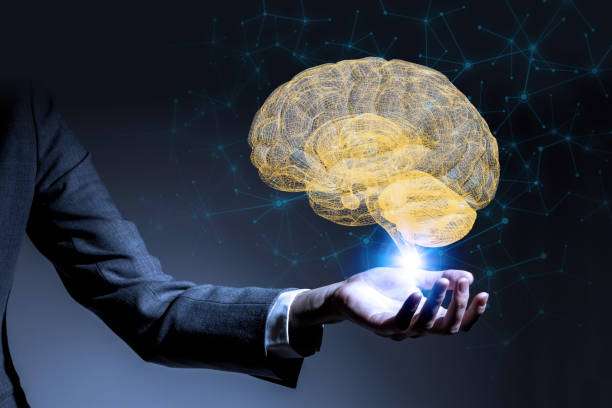
Many collaborative research efforts are responsible for progressing our understanding of how psychedelics impact the brain. Groundbreaking work at Johns Hopkins University and Imperial College London helps explain the biological mechanisms underlying observed mental health improvements.
Through brain imaging and clinical observation, scientists have identified ways psychedelics alter cerebral blood flow, electrical activity, and network connections in areas linked to mood, behavior, and perception.
A key finding is that psychedelics stimulate the growth of new neurons – called neurogenesis – in the hippocampus. This region plays roles in memory, cognition, and emotional regulation.
Specifically, psychedelic compounds activate specific serotonin receptors. This appears to change communication patterns between brain regions that usually don’t exchange information. Some experts describe this as a “shake-up” of wired connections, allowing more flexibility in thinking, emotion, and one’s sense of self or surroundings.
Subjects in clinical trials corroborate the biological changes, using phrases like “my mind felt renewed” or “I gained a new perspective.” Reports detail anxiety relief, emotional breakthroughs, feelings of catharsis or universality, a renewed sense of meaning and spirituality, and other psychological improvements. For some facing end-of-life pain or treatment-resistant mental illness, psychedelics facilitated profound healing.
So what could the potential uses of psychedelic medicine be? Through its unique action on the brain, psychedelics can help in a variety of mental and physical health issues:
- Psychedelics have been studied for treating addiction, including alcohol and opioid abuse.
- Psychedelic-assisted psychotherapy can help treat depression, anxiety, and PTSD.
- Research suggests that psychedelics could be used to treat cluster headaches and migraine pain.
- Psychedelics may also prove useful in managing end-of-life distress in terminally ill patients.
- Psychedelics show promise as a tool for spiritual exploration or healing modality in the right context and setting.
Whether it’s relieving mental health struggles or giving seekers a safe way to explore consciousness, psychedelic medicine has much to offer those who need it most—and stands poised to revolutionize our world – if only legalization can catch up.
The Long, Strange Trip to Legalization
Psychedelics’ growing medicinal reputation quickly pervaded policy realms in addition to science. Despite lingering controversy, the comprehensiveness of early psychedelic therapy results convinced some lawmakers that blanket prohibition may no longer serve health or society’s best interests.
Jurisdictions like Denver, Oakland, and Santa Cruz passed resolutions effectively decriminalizing psilocybin and similar compounds. Part of the rationale recognized potential mental health benefits from psychedelics that show promise when guided therapeutically. Proponents also cited concerns over criminalization policies that disproportionately harm marginalized groups.
In 2020, Oregon went further – becoming the first U.S. state to legalize the regulated administration of psilocybin services modeled after research protocols. Licensed facilitators guide subjects through psychedelic experiences to heal various mental health conditions. The state will also track outcomes as further evidence guiding safety, efficacy, and best practices.
At the national level, downgrading or removing psychedelics from restrictive federal scheduling could accelerate research and access. Some advocates point to cannabis’s recent shift toward legality once health applications gained recognition. They argue psychedelics may follow a similar appropriate path from the counterculture underground to scientifically validated medicine.
However, others urge caution regarding deregulation. Without further controlled trials on psychedelics’ long-term impacts, some physicians and policy groups express reluctance to expand availability beyond research. There are also legitimate public health concerns if recreational psychedelic use increases without proper education about dosing and the environment.
Psychedelics in the Spotlight: Changing Attitudes Meet Persisting Stigmas
Psychedelic medicine’s promising health applications recently captivated mainstream interest. As clinical evidence mounts, public figures from science, culture, and athletics openly discuss psychedelics’ therapeutic benefits – both personal and societal. However, stigma persists in some realms despite shifting attitudes.
High-profile advocates include author Michael Pollan, gold medal snowboarder Jamie Anderson, and NFL quarterback Aaron Rogers. Each described profoundly positive, life-changing experiences with psychedelics improving mental outlook. Their openness further dismantles outdated misconceptions of psychedelics having no medical value.
Psychedelic culture also permeated entertainment amidst destigmatization. Pollan’s “How to Change Your Mind” explores the science behind psychedelic-assisted therapy for the mass market.
However, experts caution against glamorization absent appropriate context. While psychedelics show therapeutic promise, they remain potent tools requiring supervision according to scientific protocols. Some physicians express concern over media coverage that may encourage recreational experimentation, lacking necessary precautions.
Interestingly – though not altogether surprising – there are generational differences. Younger demographics seem more receptive to evidence-based, non-traditional treatments, while older groups with enduring misperceptions prove more challenging to convince. As science continues dismantling psychedelic stigmas, full societal acceptance may still take time.
Integrating Psychedelics: Caution, Hope and Further Explorations
Psychedelic medicines offer both remarkable promise and reasonable causes for caution as domains requiring continual research.
While evidence of therapeutic efficacy mounts – especially for mental health afflictions unresponsive to traditional treatments – questions persist regarding long-term impacts, ideal protocols, and responsible policies balancing access with public health.
For example, psychedelics have the potential to produce remarkable therapeutic breakthroughs but also contain a risk of short-term harm and permanent psychological damage.
The responsibility for avoiding such serious complications falls on both clinicians conducting research and regulatory agencies charged with determining access, making it imperative that lawmakers know current and future research findings as they consider policy change.
Progress is being made in many areas; however, further exploration is necessary to ensure the safe integration of psychedelic medicines into society.
Join Us As We Explore Psychedelic Potential
Psychedelic drugs still face many obstacles before becoming accepted and accessible treatment options. Overcoming long-held cultural biases against altering consciousness will challenge society’s ability to keep an open yet prudent perspective.
Fittingly, progress requires embracing seemingly contradictory truths simultaneously – remaining open to new paradigms while still applying reason and caution appropriately.
While we cannot yet reach firm conclusions about psychedelics’ risks, uses, and future roles, the growing evidence compels further research. If insights from rigorous future trials match early hopeful signs, psychedelics may catalyze major psychiatry breakthroughs – enabling healing for many still suffering without solutions.
At AlignUs, we believe that the power of open minds, compassionate hearts, and commitment to facts over fear can lead us to the next big revolution in health and wellness. As psychedelics’ full risks and rewards gradually come into focus, we are excited to break the silence, open up conversations, and contribute to the safe exploration of this emerging field!
Are you battling fear, anger and stubbornness? You may be an Enneagram Body Types
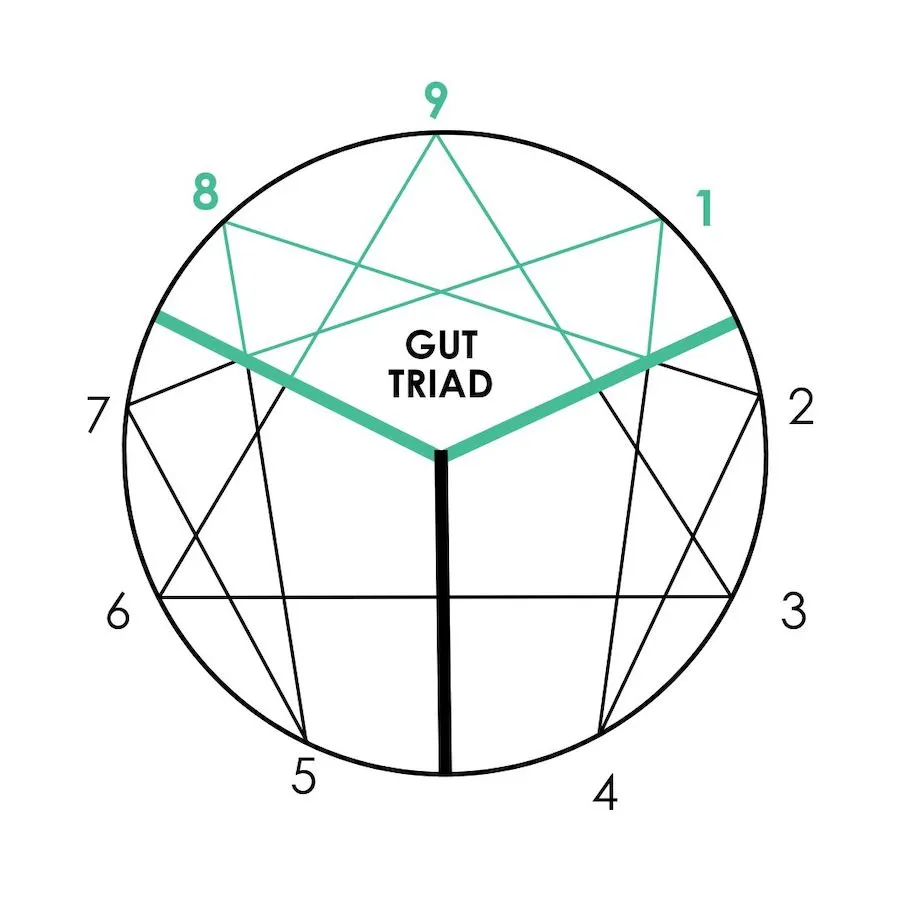
The Enneagram – an ancient yet timeless tool – is a powerful system that helps us understand our personality type and identity. Nine types of body types exist in the Enneagram, each one with its own unique characteristics.
The Enneagram system offers a deeper look at how we interact with ourselves and the world around us. It showcases how our internal motivations, needs, and thought processes affect our behavior. And as a self-assessment tool, it can bring about a better understanding of our strengths and weaknesses.
The nine Enneagram body types are organized into three distinct categories: the Heart, Head, and Body centers. Each of these centers represents a distinct way of relating to the world and processing experiences.
The Body Center, which includes Types 8, 9, and 1, are types that are focused on taking action in the world and standing up for themselves. They tend to be strong-willed, determined, and independent. However, this does not mean they aren’t unable to be vulnerable and intimate.
To help you get a better understanding of what each of these Enneagram body types might look like in practice, here is a brief overview of each type – and how they might manifest within an individual.
What Is A “Body” Type?
The body types of the Enneagram – often referred to as “gut” types – are represented by Types 8, 9, and 1. While each is unique, they do have similar characteristics that align with their focus on seeking order out of disorder and balance out of imbalance.
Rather than being introspective, these types tend to focus outwardly and take action. They want to see a world that is fair and just, and they are driven to make sure it happens. This often leaves them feeling a deep sense of responsibility, which can sometimes be overwhelming to themselves and others. However, when acting in health, they can be very effective in achieving their goals and helping others seek solutions for their own issues.
These types of individuals are often more direct and less emotionally driven, making them come across as strong and authoritative. They have the capacity to be powerful leaders who can manage difficult situations with grace and provide stability in times of chaos. But they also need time to relax and find balance in order to stay aligned with their values.
Discovering the Enneagram Body Types
Type 8 – The Challenger:
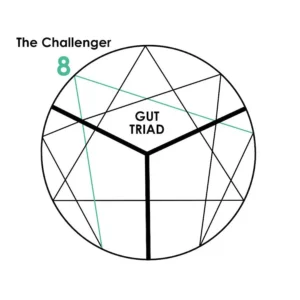
Do you ever find yourself driven by a sense of justice and the need to protect yourself and others who may be vulnerable? If so, you may be an Enneagram Type 8. Those with this body-based type are known as ‘The Challenger’ and often show confidence, ambition, assertiveness, and courage.
Type 8s often take on the role of a leader – whether that be in their work, personal relationships, or even within the wider community. They are often seen as powerful and determined individuals who are creative problem-solvers and thrive when they have control over situations.
However, within their ambition and determination to succeed, Type 8s can find themselves engaging in power struggles with others which may lead to them feeling misunderstood or disrespected. They may feel isolated or even angry when they feel that others aren’t taking action toward justice or fairness.
Type 8s can benefit from learning to recognize their own strengths and weaknesses, as well as being mindful of the emotions of those around them. It’s important for Type 8s to take time to process their emotions and find ways to express themselves in healthy ways – such as through journaling, talking with friends, or engaging in activities that bring them joy.
When harnessed correctly, Type 8s’ ambition and drive can enable them to achieve great things. With a greater understanding of their own needs and the needs of others, they will be better equipped to create positive relationships with those around them.
Type 8 Wings:
- Type 8w7: These individuals are assertive, outgoing, and social. They’re driven to create positive change in their environment and can often be found leading others toward progress.
- Type 8w6: These individuals are more introspective and analytical than their 8w7 counterparts. They channel their ambition into long-term projects with the goal of creating stability and security. They’re often more aware of the needs of others and strive to maintain harmony in their environment.
Type 9 – The Peacemaker:
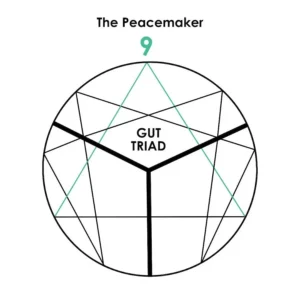
The Enneagram Type 9 is also known as ‘The Peacekeeper’. These individuals prioritize comfort, peace, and stability above all else. They are understanding and don’t like conflict, often sacrificing their own needs to keep the peace.
That said, they can become stubborn when they feel that their values or beliefs are being challenged. When they feel emotionally overwhelmed, Type 9s can become withdrawn and apathetic to cope. This isn’t due to a lack of interest or motivation but rather a way of self-soothing and avoiding conflict.
Type 9s are patient and compassionate, often turning to establish order in their lives by dedicating themselves to long-term projects that create stability for themselves and others.
They strive to maintain harmony in their environment while also being aware of the needs of those around them. This can lead to them becoming passive and avoiding confrontation, as they tend to withdraw from conflict. They strive for balance in their lives, often considering the opinion of others even when it conflicts with their own.
By understanding and being aware of the needs of those around them, Type 9s become highly attuned to their environment. They are natural problem-solvers who have an innate ability to look at situations from different perspectives and find the best possible solution. However, they may struggle to put this skill into practice due to their tendency towards apathy.
Type 9 Wings:
- Type 9w8 (The Peacemaker): This type is often drawn to strong external forces, such as authority figures or powerful people. They may seek out these power structures in order to maintain harmony and stability in their lives.
- Type 9w1 (The Reformer): This type tends to be idealistic and seeks to make the world a better place. They may be drawn to activism and social justice causes, as well as mentors who can help them live up to their high standards.

Type 1: The Reformer
Enneagram Type 1 is driven by a strong sense of justice and a need to do what’s right. They are sometimes referred to as the “perfectionist” – but this doesn’t quite capture the full scope of their need for internal order.
1’s strive to live and act from a place of integrity, and they can be extremely hard on themselves if they feel that they have strayed from the path of true justice and morality. Type 1’s often have a lot to offer others in terms of guidance, wisdom, and good counsel – but can struggle with knowing when to take a step back and let others make their own decisions.
They often have big-picture goals they are working towards, which can sometimes be more important than the day-to-day details. Ultimately, Type 1’s want to make a difference in the world – whether personally or professionally – and strive for excellence in everything they do.
For 1s, a common struggle is feeling that others don’t value the rules or order they live by. They can feel discouraged when those around them don’t understand the importance of staying true to one’s values and beliefs. Type 1’s need others to recognize their commitment and respect it to feel validated in their pursuit of excellence.
Type 1’s should remember to be gentle with themselves – it is not easy to live a life held to higher standards than those around them. They should remind themselves that their focus on quality and precision can be seen as admirable, not unreasonable or overbearing. Recognizing their accomplishments, no matter how small they may seem, can help 1s stay motivated to continue striving for excellence.
Type 1 Wings:
- 1w2 – The Reformer: Combining their natural focus on personal growth and high standards with an ability to reach out to others, 1w2s can be a powerful force for positive change.
- 1w9 – The Perfectionist: By tempering their drive for perfection with greater awareness of the external factors that affect them, 1w9s can take comfort in the knowledge that even if things don’t always turn out exactly as planned, their efforts can still yield worthwhile results.
Path to Growth for Body Types
The path to personal growth for Body Types involves recognizing their emotional habits and working towards balance. They often need to learn how to channel their energy into productive avenues and take steps toward self-improvement. Here are some nuanced steps and considerations that Body (Gut) types can follow to foster growth and self-improvement:
Self-Reflection:
- Identify Triggers: Recognize the situations or interactions that trigger automatic reactions or emotional responses.
- Explore Underlying Beliefs: Delve into the underlying beliefs or fears driving these triggers and responses.
- Reflect on Past Experiences: Understand how past experiences might be influencing current behavior and emotional habits.
Mindfulness and Presence:
- Practice Mindfulness: Engage in mindfulness practices like meditation and mindful breathing to stay present.
- Non-judgmental Observation: Learn to observe reactions and emotions non-judgmentally as they arise.
Self-Regulation and Emotional Intelligence:
- Develop Emotional Intelligence: Cultivate the ability to constructively identify, understand, and manage emotions.
- Practice Self-Regulation: Learn to pause before reacting, allowing space for a more balanced response.
Communication and Relationship Building:
- Assertive Communication: Practice expressing needs, boundaries, and feelings assertively yet respectfully.
- Build Empathy: Foster empathy by striving to understand the perspectives and feelings of others.
Constructive Channeling of Energy:
- Positive Outlet: Find positive outlets for energy, such as engaging in creative projects, physical exercise, or community service.
- Productive Focus: Channel the natural assertiveness and drive towards productive and meaningful pursuits.
Continuous Learning and Adaptation:
- Seek Feedback: Be open to feedback from trusted individuals to gain different perspectives and insights for improvement.
- Adopt a Growth Mindset: Embrace a continuous learning, adaptation, and growth mindset.
Engagement with Resources:
- Explore Enneagram Resources: Delve deeper into the Enneagram resources like the Growth Guide for Every Enneagram Type from Invitera Counseling to understand growth pathways better.
- Seek Professional Guidance: Consider engaging with an Enneagram coach or joining an Enneagram group for guided exploration and support.
Practice Patience and Compassion:
- Self-Compassion: Practice self-compassion during the growth journey, acknowledging that personal development is a lifelong process.
- Patience: Be patient with oneself and others, recognizing that change and growth are incremental and take time.
Seek Growth As a Body Type with AlignUs
The Enneagram Body types bring powerful skills, insights, and gifts to the world. Yet it is only when we appropriately harness our unique type for growth in collaboration with others that we can truly make a difference. With AlignUs, you can connect with a worldwide community of those looking to grow as a Body Type.
Learn more about the Enneagram, the other types, and how to take the next step in your journey of self-development. Join the AlignUs community and be part of the shift toward a better tomorrow! You deserve to learn more about how your type can best serve you and those around you. Together, we have the potential to make a real impact in the world!
Don’t know your Enneagram Type yet? Click here to take the test. (place the enneagram test link on the click here)
For more resources on the Enneagram Body Types, click here

Loneliness: The New Greatest Threat to Your Life?

When you think of the various ways that you could meet an untimely demise, loneliness isn’t usually at the top of the list. In fact, many people don’t think of it as a threat at all.
But here’s the shocking reality: Loneliness and isolation have surpassed obesity, physical inactivity, and smoking to become the number one public health issue threatening health and longevity in the United States.
In a groundbreaking new report, the U.S. Surgeon General calls the crisis of loneliness and disconnection “an epidemic,” one that poses a dire risk to both our physical and mental wellbeing.
The statistics underlying this alert from the nation’s top doctor on public health issues are sobering. Nearly half of American adults report feeling lonely, with levels highest among young adults. Think about that – it’s likely that at least one in four people you know is struggling with loneliness.
Yet, less than 1 in 5 Americans recognize loneliness and isolation as significant problems in their own lives. This obliviousness to the issue persists despite mounting evidence over decades demonstrating a heightened risk for premature death, heart disease, dementia, depression, and suicide among those lacking sufficient social connection.
In calling attention to this overlooked public health crisis, the Surgeon General’s report compels us to confront the life-threatening reality of loneliness and isolation in America. We can begin crafting an urgently needed response by acknowledging the severe costs of losing human connection at both individual and societal levels.
At AlignUs, we are committed to bringing people together to create meaningful and sustainable connections. With loneliness leading to such a broad range of physical, mental, and emotional health concerns, we believe it is essential to prioritize meaningful interaction with others.
Before we look at some potential solutions to the loneliness epidemic, let’s dig into the report – and what it means for our collective future.

Key Findings from The US Surgeon General’s Report
The report – which you can find online here – showcases just how little we truly know about the nature of human connection. From data collected in focus groups, surveys, and literature reviews, it became clear that loneliness has wide-reaching consequences – ranging from cognitive decline to an increased risk of mortality.
The Shocking Prevalence of Loneliness and Isolation
The prevalence of loneliness and isolation in America has reached crisis levels.
Think about this from the report: Nearly 50% of American adults—equivalent to over 160 million people—reported feeling lonely in recent national surveys.
Rates are highest among young adults, with this group nearly twice as likely to report loneliness as adults over 65. Over the past few decades, loneliness among young adults has increased year-over-year.
Those facing financial hardship also shoulder a disproportionate burden, with lower-income adults 10% more likely to experience loneliness than higher earners. This means that millions of people are going through life without feeling close to another person.
The Health Impacts and Mortality Risks of Loneliness
The health consequences stemming from loneliness and isolation are severe. Lacking social connection carries a mortality risk comparable to smoking up to 15 cigarettes per day. Imagine – you could be living a highly health-focused yet still be at a greater risk for early death than someone who smokes a pack of cigarettes per day.
Loneliness also heightens the odds of developing numerous diseases, including a 29% increased risk of heart disease, 32% increased risk of stroke, and nearly 50% increased risk of dementia. The health impacts of loneliness and isolation help explain their ranking as the number one public health issue today.
The Economic and Societal Costs
Beyond devastating effects on longevity and disease burden, loneliness and isolation also inflict substantial economic and societal costs.
Social isolation among older adults alone accounts for an estimated $6.7 billion in excess Medicare spending annually. When you look at the broader economic impact, loneliness, and social isolation cost the global economy trillions of dollars each year.
These costs are likely to escalate further as our population ages and more people experience increased isolation levels. This is why actively creating a sense of community—both on an individual level with older adults and also in terms of larger-scale initiatives like fostering greater workplace connection—is so crucial to our collective well-being. Why Connection Matters

Connection as a Fundamental Human Need
Our need for connection with others lies at the very core of our health and well-being. Think of the moments that bring you the most joy—with family, friends, and colleagues. It’s these moments of connection that we live for and work hard to create more of in our lives.
Social connection serves as a fundamental human need on par with food, water, and shelter. Our brains have literally evolved to expect and depend upon proximity with others.
Lacking connections taxes us greatly by forcing us to meet life’s demands largely alone. And that context isn’t just limited to physical proximity; it also applies to our emotional and mental states.
Biological Reasons
The presence or absence of social bonds profoundly impacts bodily systems tied to disease risk. The realities might surprise you!
Connection helps regulate inflammation, immune response, hormone levels, gene expression, and other biological processes that influence susceptibility to illness when dysfunctional. Isolation and loneliness can be as detrimental to these regulatory mechanisms as smoking and obesity. Conversely, connection enhances their healthy calibration – literally turning down the volume of inflammation and other triggers.
Social Effects
Connection is also essential for our emotional well-being, reducing stress, contributing to happiness, and giving us a sense of purpose in life. It’s been found to be an even stronger predictor than exercise or diet in promoting longevity and recovery from major health events.
Connection gives us something that no amount of money can buy: relational support when we need it most.
At its core, connection is about feeling like we belong – something that every human needs in order to thrive. It’s an innate drive engrained in each of us that should not be taken lightly, so let’s commit to strengthening these bonds for ourselves as well as those around us.
It’s About More Than Just Us
The state of connection within communities also determines their functioning. More socially connected communities exhibit better population health, economic prosperity, preparation for and recovery from natural disasters, safety, and civic participation.
Eroded social capital and trust in a community hampers its ability to advance shared objectives and withstand hardship. Our connections constitute the basic infrastructure enabling communities to thrive – that’s why we’re committed to helping build strong and connected communities.
Loneliness Is A Public Health Issue – So What Can We Do?
The scientific evidence leaves little doubt that social connection belongs among our most pressing public health priorities. As Surgeon General Vivek Murthy concluded, “If we fail to invest in social connection, we will continue to splinter and divide until we can no longer stand as a community or a country.”
Heeding this advice, we have to take steps to begin to bridge divides, rebuild trust and make the world a better place for everyone. Here are just a few practical approaches we can take to create more connected communities:
Find Ways to Build Connectedness Among Your Community
Do you live in a close-knit neighborhood? Can you cook meals for others or lend a helping hand to those in need? Are there events, such as film screenings or book clubs, that could bring people together and encourage meaningful conversations? Discover ways to build connectedness among your community and create an atmosphere of belonging.
Promote Inclusion & Diversity
Seek out individuals with different backgrounds, interests, and perspectives. Aim to include them in decision-making processes and inspire their participation in activities that benefit the wider community. Show respect for all identities, speak up when necessary, be open-minded, and stand against discrimination.
Support Mental Health Services
Provide resources for mental health services — both online and offline — so everyone has access to the help they may need. Create an environment where individuals feel comfortable to talk about their mental health and find support from peers. There are more and more resources available now, so use your platform to spread awareness and advocate for better mental health services.
Encourage Collaboration & Cooperation
Promote collaboration and cooperation among your community members by hosting events, workshops, or online discussions. These activities can foster collective learning, encourage problem-solving, and drive positive change.
Investing in meaningful relationships between community members, you are helping to create a more dynamic, resilient network of people working together towards common goals. And when you can create a sense of belonging and trust in the group, individuals will feel empowered to seek help and receive the support they need.
Let’s Grow Closer – Together
Loneliness and isolation now rank as the number one threat to health and longevity in America. Yet, for too long, the public and policymakers alike have underestimated the severity of this crisis and overlooked our human need for connection.
As a result, over 160 million Americans across all ages now report feeling lonely, while rates of premature death, disease, health care costs, and lost workplace productivity continue to climb.
We can no longer afford inaction regarding this overlooked public health emergency. Only by recognizing social connection as an urgent priority—backed by resource investments on par with other major health issues—can we spark the comprehensive, collaborative action needed across all levels of society. We must continue educating the public, reforming policies and environments hampering connection, and facilitating meaningful bonds in our everyday lives.
Strengthening our individual relationships represents the critical first step toward restoring communal ties. Our connections constitute so much more than feel-good friendships. They serve as indispensable infrastructure enabling our health, productivity, and shared progress through hardship.
At AlignUs, we are on a mission to bring people closer together. We strive to cultivate meaningful connections within families, workplaces, and communities through a suite of online resources and community-focused initiatives. Our vision is to empower connection in a way that ultimately uplifts us all.
We believe that when we come together, we can build a better world. Let’s put an end to the loneliness epidemic and create a future filled with meaningful, lasting relationships!
Are You a People Pleaser? The Enneagram Heart Types

Within the nine types of the ancient Enneagram system, there are three types that make up the “Heart Center” group. These types – often known for their emotional and empathetic nature – are the 2, 3, and 4.
People belonging to this group typically strive for positive relationships with others, seeking out connection and understanding through meaningful connections with family, friends, colleagues, or other important individuals in their lives. They are driven by a desire to be accepted and valued while also wanting to be seen as strong and capable individuals who can bring value to the table.
While very different in many ways, the Heart Center types all share a common basis: a desire to nourish and care for those around them. However, while a 2 may find a way to express their care through acts of service, 3s may prefer to show their affection through material gifts or heartfelt performative actions, and 4s may explore their emotions through creative endeavors such as music or art.
Regardless of how they choose to express themselves and interact with others, Heart Center types are often warm, compassionate individuals who look for ways to make those
Yet, for all their differences, they often find a deep appreciation and understanding of each other’s perspectives. This is because, despite their differing outlooks, everyone in this group is driven by the same core need – to be accepted and loved for who they are, flaws and all.
Understanding the Heart Types – as well as the motivations behind the decisions they make – can help us to better understand each other and build more meaningful relationships, both professionally and personally.
What Is a Heart Type?
The Enneagram’s nine types can be broken down into three centers: the Head Center, Heart Center, and Body (Gut) Center. The Heart Center consists of three distinct types – 2 (The Helper), 3 (The Achiever), and 4 (The Individualist) – that are united by their focus on feelings and emotions.
While Body types are often spurred into action by perceived needs or fears, Heart Types look toward the future and are driven by feelings of love and connection. They are often seen as the most emotionally balanced types – not too emotional nor too cold-hearted.
Each Heart Type has different motivations that inform their decision-making process. The Helper seeks to nurture, support, and care for others; the Achiever looks for ways to add value by striving toward excellence; and the Individualist seeks to explore their own unique identity.
Understanding these differences can help us understand how Heart Types interact with each other and how they perceive the world around them. And when other types begin to see what drives their interactions, they can better appreciate and understand each other.
This knowledge can be used to create an atmosphere of respect and understanding, leading to healthier and more meaningful relationships. In the end, that is what it’s all about – creating positive connections with those around us so we can build a better world together.
Understanding the Enneagram Heart Types

Type 2 – The Helper
Everyone has a desire to be loved and to love others in deep, unconditional ways. However, the Helper type takes these feelings to new heights, using their unique skill set to be of service to those around them.
For instance, a 2 may demonstrate their love for someone through acts of service, such as making meals or running errands. This type loves to be needed by those around them and will often go out of their way to put others first.
However, their service is not out of simply selflessness or a desire to be liked – it also comes from a deep need for approval and recognition. This helps 2s feel secure in their relationships as they gain affirmation for the things that make them special.
The Helper type is known for being warm, generous, supportive, and reassuring. They often have a good sense of humor and use it to lighten the mood. Though they may appear to be unassuming, 2s can pick up on social cues quickly and are incredibly perceptive, often understanding the needs of others before they even voice them.
However, their desire to be needed can lead to codependency or over-involvement, which can be burdensome for those around them. 2s also may struggle with saying no and taking care of their own needs, leading to feelings of resentment if they’re taken advantage of.
It’s important that the Helper type pays attention to how often they’re giving versus receiving in relationships – if they’re not getting their own needs met, it’s time to take a step back and evaluate. 2s should focus on setting boundaries and being honest with both themselves and those around them about their feelings. With the right balance of support and self-love, Helpers can be an invaluable part of any group or community!
Type 2 Wings:
- 2w1: “The Giver” – The 2w1 is a natural nurturer and teacher, often taking pleasure in guiding and helping others. Kindhearted and generous, they strive to give their time and energy to those in need. If unbalanced, the tendency to be overly helpful can lead them away from their own needs.
- 2w3: “The Go-Getter” – 2w3s are the dynamic, ambitious type that loves a challenge. They can be incredibly driven and focused when pursuing their goals and will often do whatever it takes to get what they want. When unbalanced, they may become overly absorbed in tasks at the expense of other aspects of life.

Type 3: The Achiever
There are some individuals who just seem to feel at home in the driver’s seat, looking for ways to achieve even greater levels of success. Type 3s are the masters of personal growth and goal setting, quickly modifying their approach when something isn’t working for them.
Gifted with skills to see how the pieces fit together, they can be promoters, entrepreneurs, and inventors. But their tendency to focus on external results often leads them away from their needs and feelings. Balance is key for Type 3s—they need to learn to tap into a sense of inner fulfillment and outer success to lead meaningful lives.
For instance, a 3 may find satisfaction in taking on a challenging project, but take the time to appreciate what they have already accomplished. Or focus on doing activities that bring joy and not just productivity. This often includes spending time in nature and with loved ones, learning to engage with the present moment without worrying about what’s next.
Overall, Type 3s have a great capacity for change, growth and goal setting. As they learn to pay attention to their inner promptings, these high-achieving individuals will find themselves capable of creating even more meaningful outcomes—ones that come from a place of joy and fulfillment.
Type 3 Wings:
- 3w2: “The Diplomat” – The 3w2 is a type of Type 3 that is driven by the desire for acceptance and admiration from others. They tend to be more people-focused, expressive and emotionally open than other Types. They may have a strong need to appear charming, likable or valuable in the eyes of others. As such, they can easily become preoccupied with the opinions of those around them and may struggle to stay connected with their own inner truth.
- 3w4: “The Performer” – The 3w4 is a type of Type 3 that gains a unique sense of identity and validation from producing tangible results. Their individualist streak means they often take pride in their own accomplishments and strive to be seen as successful and competent. They may struggle with feelings of guilt or inadequacy when they feel like they are not living up to that self-imposed standard of achievement.

Type 4: The Individualist
Do you often find yourself feeling misunderstood or different from others? That your point of view seem to be just a bit more nuanced or thoughtful than anyone else? A sense that others just don’t quite get you? Type 4s – the Individualists – tend to be creative and highly empathetic.
With a preference for the abstract, they may feel alienated when trying to connect with others on a surface level or exchanging small talk. They can take comfort in expressing their feelings authentically without worrying about how it will look to other people, but it can also lead them to feel isolated from those not as attuned to the complexities of emotion.
They bring significant gifts to any group – from inspiring others to think outside the box, to drawing out the complexity of a situation and finding solutions that may have been overlooked.
While they value their inner lives and don’t feel the need to conform, Type 4s can become overwhelmed when under pressure to make decisions or live up to expectations imposed by others (or even themselves).
It is important for them to take time for self-reflection and find a balance between their own needs and expectations from outside sources. Ultimately, the goal is to come away from this process feeling confident in their own decisions and secure in their understanding of themselves.
Above all, Type 4s should take time to appreciate who they are and find peace with the abstract nature of their personality. By allowing themselves to explore these unique emotions, others can benefit as well from increased insight into their perspectives and motivations. Embracing this type of expression can help Type 4s grow both personally and professionally.
Type 4 Wings:
- 4w3: “The Enthusiast” – Taking a cue from their 3 wing, 4w3s have an increased sense of optimism and enthusiasm in their approach to life. Although they may appear outgoing at first glance, they can sometimes be overwhelmed by their own intensity and need plenty of alone time to get away from it all.
- 4w5: “The Individualist” – A strong sense of autonomy defines the 4w5. Although they may appear independent and self-reliant, they are also capable of forming meaningful relationships with those who understand them. They often prefer to maintain a sense of mystery in order to protect their vulnerable inner core.
Path to Growth for Heart Types
The journey towards self-improvement and personal growth is a hallmark of the Enneagram’s Heart Types. This journey often involves a deep exploration of emotional habits, self-awareness, and the cultivation of empathy. Here’s a step-by-step guide to fostering growth as a Heart Type:
- Know That You Are Not Alone: Recognize the presence of others who understand and relate to your journey. As a Heart Type, you have the unique ability to connect with others in meaningful ways. However, you may find that it’s difficult to trust others or even yourself. Remind yourself that you are not alone and there is a strong community of support available to you.
- Cultivate Compassion: Spend time cultivating compassion for yourself as well as those around you. Self-compassion can be challenging, but understanding your emotions and taking ownership of them is essential to growing as a Heart Type. This includes accepting your mistakes and allowing yourself the freedom to make them without judgment.
- Practice Self-Care: Heart types often seek other’s approval and can get stuck in self-defeating cycles. Investing in yourself is key; when you take care of your needs, it’s easier to stay balanced and make decisions that are best for you. Make sure to practice good self-care habits such as relaxation techniques or mindfulness meditation.
- Show Gratitude: Express gratitude for both the big and small moments in your life. This can include anything from a kind gesture from someone you love to simply being grateful for waking up in the morning. Even when times are difficult, find something that you are thankful for and focus on that.
- Connect with Others: While 2s thrive from connection, 4s may find this difficult. Seek out activities that allow for meaningful connection, such as taking walks with a friend or engaging in stimulating conversations. Cultivate relationships that are meaningful and supportive, and make time to spend with loved ones.
- Seek Other Types To Make Balance: Try to intentionally seek out relationships with other personality types such as 1s and 3s, whose more extroverted natures can counterbalance your own. Learning from others helps provide a new perspective on life that can help you grow. You can also help others learn and grow by sharing your unique gifts.
- Continue Learning: The Heart Types often have a never-ending desire to learn and grow. Continue to seek out new experiences, knowledge, and skills that can help you reach your goals. Invest in yourself with books, courses, or other forms of education. Staying curious and open-minded will keep you energized and motivated.
Grow Into Your Type with AlignUs
The Enneagram Heart Types offer a ton of unique gifts. With the help of AlignUs, you can learn how to unlock your true potential and leverage your type’s strengths for personal growth. And when you know yourself better, it’s easier to understand and work with others. Together, we can create a kinder and more compassionate world that honors our differences while celebrating our similarities.
Learn more about the Enneagram, the other types, and how to take the next step in your journey of self-development. Join the AlignUs community and be part of the shift toward a better tomorrow! You deserve to learn more about how your type can best serve you and those around you. Together, we have the potential to make a real impact in the world!
Don’t know your Enneagram Type yet? Click here to take the test.