Your Phone Is a Portal – But Where Is It Taking You?

When was the last time you went 24 hours without touching your phone?

How did it feel? Liberating? Maybe Terrifying? 

Now here’s the real question – do you ever feel those phantom vibrations haunting your pocket?

Your phone isn’t just a device. It’s become a portal – a gateway that tunes you into specific frequencies of existence. Every endless scroll adjusts your internal dial, shifting your energy, emotions, and sense of self in ways you might not even realize.

But here’s the question nobody’s asking: What frequency are you tuned into right now?

Some portals lead to connection, creativity, and growth. Others trap us in cycles of comparison, depletion, and disconnection from our authentic selves. 

The same device that can facilitate mental health education and meaningful relationships can also drain our life force, hijack our emotions, and distort our self-image beyond recognition.

We carry these portals everywhere, checking them over 100 times (or more) a day. They’re the first thing we see in the morning, the last thing we touch at night.

The cost? We’re witnessing an epidemic of digital exhaustion. People feel simultaneously overstimulated and understimulated, hyperconnected yet profoundly lonely, informed yet confused. 

Our devices promise to enhance our lives, but for many, they’re creating a reality that feels increasingly unlivable.

At AlignUs, our mental health platform recognizes that true wellness in the 21st century requires a new kind of literacy – digital hygiene that protects not just our data, but our energy, emotions, and essence.

Our Device – The Invisible Influence Guiding Our Lives

Do you ever notice that “bone-deep” exhaustion despite getting eight hours of sleep? Or maybe you feel wired-but-tired every day. 

It’s a mental fog that makes focusing feel like swimming through molasses.

Welcome to the age of digital energy depletion.

The Always-On Energy Vampire

Your smartphone doesn’t just consume battery life – it consumes yours. The always-on nature of modern devices creates a state of constant vigilance that our nervous systems were never designed to maintain.

Every notification triggers a micro-stress response. Your body doesn’t distinguish between a text message and a tiger – both activate your fight-or-flight system. Multiply this by hundreds of daily interruptions, and you’re marinating in stress hormones from dawn to midnight.

This constant connectivity fractures more than just your attention. It fragments your very life force, scattering your mental energy across dozens of open tabs and never-ending information streams. 

No wonder you feel drained by noon despite barely moving from your desk.

The Attention Economy’s Hidden Tax

Tech companies have weaponized psychology to capture and monetize your attention. Every app is engineered to be irresistible, using the same psychological principles that make slot machines addictive.

The result? A phenomenon researchers call “continuous partial attention” – a state where you’re always partially focused on multiple streams of information but never fully present to any single experience. 

This mental juggling act doesn’t just make you less productive. It fundamentally depletes your cognitive reserves.

Is Your Screen Sabotaging Your Sleep?

Perhaps nowhere is the energy drain of technology more evident than in our collective sleep crisis. The blue light emitted by screens suppresses melatonin production, tricking your brain into thinking it’s perpetual daytime.

Poor digital habits create a vicious cycle: disrupted sleep leads to depleted energy, which leads to increased screen time seeking stimulation, which further disrupts sleep. Many people now exist in a perpetual state of jet lag without ever leaving their time zone.

Beyond mental fatigue, our devices exact a physical toll. Hours hunched over screens create what physical therapists now call “tech neck.” Eye strain from screen exposure has become so common that it has its own acronym: CVS (Computer Vision Syndrome).

These aren’t just minor inconveniences. Mental health education rarely addresses these physical aspects of digital wellness, yet they profoundly impact our overall energy and wellbeing.

Reclaiming Your Energy

Understanding how technology drains your energy is the first step toward reclaiming it. This isn’t about becoming a digital hermit – it’s about conscious consumption.

Social emotional learning in our era must include understanding the relationship between screen time and energy levels. 

We need mental health curriculum that teaches not just emotional regulation, but energetic regulation in a digital context.

The good news is that small changes create significant results. Taking regular screen breaks, using night mode after sunset, and creating phone-free zones can dramatically improve your energy levels. 

The portal of your phone can drain you or sustain you – the choice lies in how consciously you use it.
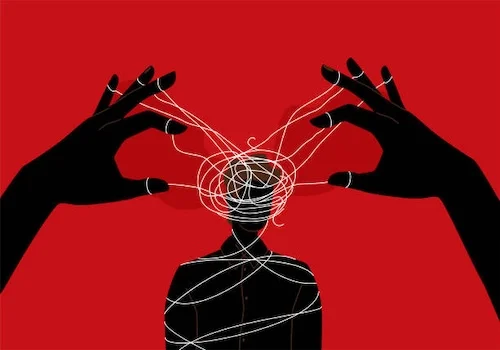
Emotional Puppeteering

Check your phone after posting something. Refresh. 

Check again. Still no likes. Refresh. 

One like. Dopamine hit. Refresh.  

Three more. Higher high. Refresh. 

Comments rolling in. Validation starts flooding your system.

Welcome to the emotional tech rollercoaster. Today, algorithms have more influence over your mood than almost anything else in your life.

The Validation Addiction Cycle

Social media platforms have turned human connection into a slot machine. Every notification releases dopamine – the same neurotransmitter triggered by drugs, gambling, and other addictive behaviors. 

But unlike those vices, we celebrate social media engagement as “staying connected.”

The pursuit of likes, comments, and shares creates a dependency on external validation that previous generations never faced. Your self-worth becomes quantifiable, measured in metrics designed to keep you scrolling, posting, seeking the next hit.

This isn’t accidental. Tech companies employ teams of neuroscientists and behavioral psychologists whose sole job is making their platforms irresistible. 

They’ve gamified human connection, turning friendship into followers, conversation into comments, and authentic sharing into performance art.

Social emotional learning now requires understanding these manipulation tactics. Without this awareness, we’re emotional puppets dancing to algorithmic strings, our moods dictated by engagement metrics rather than genuine experiences.

Amplified Emotions in Echo Chambers

Social media doesn’t just influence what you feel – it amplifies it. Anger spreads faster than joy online. Outrage drives more engagement than contentment. The algorithms notice and adjust, serving you more of whatever keeps you scrolling.

The echo chamber effect intensifies these emotions. Algorithms show you content similar to what you’ve engaged with before, creating feedback loops that reinforce and amplify your current emotional state. 

The mental health curriculum of the past never had to address algorithmic emotional manipulation.

The paradox? The more connected we become digitally, the more disconnected we feel emotionally. Despite having hundreds of “friends” online, loneliness has reached epidemic proportions. We’re together but alone, performing connection rather than experiencing it.

Mental health education in schools must address this digital loneliness epidemic. Teaching the benefits of mental health education in schools now includes helping students distinguish between digital interaction and genuine connection.

Mirror, Mirror… in Your Hand

Look at your phone’s camera roll. How many selfies did you delete before finding the “right” one? How many filters did you apply?

Pre-digital, you might compare yourself to dozens of people in your immediate circle. Now? You’re measuring yourself against millions, including celebrities, influencers, and heavily edited versions of ordinary people. 

Your competition isn’t just your neighbor – it’s everyone, everywhere, all the time.

This constant comparison creates what researchers call “compare and despair.” No matter how well you’re doing, someone online is doing better. The bar keeps rising because it’s set by collective perfection, not individual reality.

The Filter Effect

Filters started as fun additions to photos. Now they’re reshaping how we see ourselves. Young people report feeling ugly without filters, unable to recognize their unedited faces as acceptable. We filter our entire lives – sharing only victories, hiding struggles, crafting narratives that bear little resemblance to lived experience.

Benefits of mental health education in schools now include teaching students that imperfection is human, that curated lives aren’t real lives, and that authentic expression matters more than polished performance.

Now, social media has created a culture where everything must be “Instagram-worthy.” This pressure for constant perfection is exhausting and impossible to maintain.

When your self-worth lives online, you’re vulnerable to anyone with a keyboard and an opinion. Cyberbullying isn’t just mean comments – it’s public humiliation that follows you everywhere, archived forever. 

Without a strong mental health curriculum addressing digital self-image, we’re raising a generation whose self-concept depends on external digital validation.

Creating a Better Digital Hygiene Ritual

Think about this: you wouldn’t go weeks without showering, would you? 

Yet most of us have never considered that our digital lives need similar maintenance.

Digital hygiene isn’t about using less technology – it’s about using it consciously. Just as physical hygiene prevents disease and promotes health, digital hygiene protects your mental and emotional well-being in an increasingly connected world.

1. Create Conscious Boundaries

Creating healthy tech boundaries starts with an honest assessment of your current reality. 

Track your screen time for a week. Notice when you reach for your phone. Then, design your digital architecture:

  • Establish physical spaces where devices don’t enter. Bedrooms become sanctuaries for sleep, not scrolling.
  • Implement digital curfews. No screens an hour before bed.
  • Turn off non-essential notifications. Every ping hijacks your attention, fragmenting focus and depleting energy.

Mental health education in schools increasingly recognizes digital hygiene as an essential life skill. Just as we teach children to wash their hands, we must teach them to cleanse their digital consumption.

2. Curate Your Digital Diet

If “you are what you eat”, then you’re also what you scroll. Just as junk food affects physical health, digital junk food impacts mental well-being. 

Audit your digital diet – unfollow accounts that trigger comparison or negativity. Block toxic people without guilt. Follow accounts that inspire, educate, or uplift you with positive content that adds to your life, not depletes it.

Social emotional learning in the digital age means understanding how content affects your emotional state. Choose digital nutrition that nourishes rather than depletes.

3. Implement Digital Sabbaths

The key to success? Start small.

At first, try just one hour of complete disconnection. Build to full days where devices rest while you restore. 

Remember, these breaks aren’t deprivation – they’re liberation. They remind you who you are beyond your digital persona, what matters beyond metrics.

The Goal? Aligning with Your Highest Self

Technology itself isn’t evil. In the end, it’s a tool. And like any tool, its value depends on how we use it.

When aligned with intention, technology becomes a powerful ally. It can facilitate mental health education, connect you with like-minded souls, and provide resources for growth. The key is purposeful consumption.

  • Creating sustainable digital hygiene requires personalization.
  • Start days with meditation or movement before checking devices.
  • Designate specific times for digital engagement.
  • Develop shutdown rituals.
  • Clean your digital space weekly.

At AlignUs, our mental health platform recognizes that modern wellness must address digital reality. What is social emotional learning in a world of smartphones and social media? It’s developing the emotional intelligence to navigate digital spaces without losing ourselves.

Benefits of mental health education in schools now extend to teaching students these crucial digital life skills. When young people understand how technology affects their energy, emotions, and self-image, they can make choices that support rather than sabotage their wellbeing.

Isn’t It Time You Chose Your Portal’s Destination?

Your phone remains a portal. The question isn’t whether you’ll use it – it’s where you’ll let it take you.

Every time you pick up your device, you’re choosing a frequency. Will you tune into anxiety or inspiration? Comparison or connection? Depletion or restoration? 

The power lies not in the technology but in your conscious choice of how to use it.

The future belongs to those who master this balance. Those who use technology’s power without becoming its slave. Those who know that behind every screen is a soul seeking the same things we’ve always sought: connection, purpose, and true meaning.

Here at AlignUs, we’re building a mental health platform that honors both digital innovation and human wisdom. We believe technology should amplify your light, not diminish it. Connect you to others without disconnecting you from yourself.

Your energy, emotions, and self-image are too precious to leave to algorithmic chance. Start today. Set one boundary. Take one digital break. Unfollow one account that depletes you. Small actions create new patterns. New patterns create new realities.

Your highest self is calling. Will you answer, or will you let it go to voicemail while you check just one more notification?
Transform Your Digital Life with AlignUs

Healing in Public: How Vulnerability Online Is Redefining Mental Health Culture

What happens when your darkest moment becomes your most viral video?

College junior Ashley was having a panic attack in her car when she decided to hit record. Through her tears, she shared her experience with her TikTok followers. Short video, simply putting her emotions into words with the greater community. 

What she never expected was that within hours, her video had 2 million views and thousands of comments from strangers saying “Me too!” and “Thank you for making me feel normal.

Ashley’s experience is an example of the new reality of mental health in the digital age. 

But here’s the terrifying part: while Ashley found community and validation, she also opened herself to potential employers, family members, and future partners witnessing her most vulnerable moment. 

Forever – because as we’ve learned, the internet never forgets.

We’re seeing a shift in how young people process trauma and mental health struggles. Gen Z and Millennials are now broadcasting their healing journeys to millions. They’re turning their pain into content.

But at what cost?

The same platforms providing unprecedented connection and

What happens when your darkest moment becomes your most viral video?

College junior Ashley was having a panic attack in her car when she decided to hit record. Through her tears, she shared her experience with her TikTok followers. Short video, simply putting her emotions into words with the greater community. 

What she never expected was that within hours, her video had 2 million views and thousands of comments from strangers saying “Me too!” and “Thank you for making me feel normal.

Ashley’s experience is an example of the new reality of mental health in the digital age. 

But here’s the terrifying part: while Ashley found community and validation, she also opened herself to potential employers, family members, and future partners witnessing her most vulnerable moment. 

Forever – because as we’ve learned, the internet never forgets.

We’re seeing a shift in how young people process trauma and mental health struggles. Gen Z and Millennials are now broadcasting their healing journeys to millions. They’re turning their pain into content.

But at what cost?

The same platforms providing unprecedented connection and mental health education are also creating new risks. The line between awareness and exhibitionism is beginning to blur.

But see past the dangers, and you’ll also see that something profound is happening. The shame that silenced previous generations is dissolving. Social emotional learning isn’t just happening in classrooms anymore – it’s happening in comment sections, through shared experiences, in real-time support from strangers who understand.

At AlignUs, we’ve built our mental health platform on the belief that our current cultural revolution needs guidance, not judgment. Healing is happening in public – and we all need to learn new rules for compassion and support.

How Online Spaces Became A New Form Of Therapy

You may remember a time when “seeing someone” for mental health was a secret best kept safe. Not anymore.

Today’s young adults are turning social media into a 24/7 support group where trauma isn’t hidden but highlighted.

The shift didn’t happen overnight. It began with brave individuals who shared their stories despite the stigma.

By 2020, when the pandemic trapped everyone online, the transition accelerated. Isolated and struggling, young people found solace in shared vulnerability. TikTok and Instagram quickly became places where individuals could open up and share with their audience (and see their audience grow quickly).

Mental health education is no longer confined to textbooks or counseling centers. Now it’s beginning to happen organically, through peer-to-peer interactions and lived experiences.

Why Did Gen Z Choose Digital Vulnerability?

Gen Z faces unprecedented mental health challenges – higher rates of anxiety, depression, and suicidal ideation than any previous generation. But statistics don’t quite explain why they chose this type of transparency as their response.

Many watched their parents’ generation suffer in silence. They saw the cost of “keeping it together” – addiction, divorce, burnout, lives lost to untreated mental illness. They decided silence wasn’t strength, and that holding it all inside could quickly spiral into much worse things.

For Millennials and Gen Z, Social media offered something revolutionary: immediate validation. Post about your anxiety attack, and within minutes, hundreds confirm you’re not alone.

The “Trauma Candy Salad” Phenomenon

What does this type of digital candor look like? Few examples showcase this generation’s approach to healing like the “trauma candy salad” trend. 

In this viral trend, individuals sit in circles, each adding candy to a bowl while sharing a traumatic experience. In a way, it showed that dark humor could reveal deep pain in an honest way.

But something deeper is happening here. By gamifying trauma sharing, young people are reclaiming their narratives. They’re refusing to let pain define them while also refusing to hide it. They’re saying: “This happened to me, and I’m still here, still laughing, still connecting.”

When Comments Become Community

The real magic happens in the comments. Under every vulnerable post, miniature support groups form.

Suddenly, the mental health curriculum is being crowdsourced. Coping strategies are shared freely. The traditional gatekeepers of mental health education in schools and clinical settings no longer control the narrative. 

Plus, they’re creating their own mental health platform where they can come together and share their experiences in a safe and welcoming place.

This democratization of mental health support is both thrilling and terrifying. 

Because when everyone becomes a teacher, how do you separate wisdom from dangerous advice? When every story is valid, how do you identify what needs professional intervention?

What This Generation Is Doing Differently to Break the Silence

Ask a Boomer about their mental health struggles, and you’ll likely get silence or deflection. Maybe a “we didn’t have time for that” or “we just dealt with it.” 

For many, this was a learned experience. Their parents, who grew up in a time of war and depression, showed that strength meant suffering quietly. Seeking help showed weakness, and the idea of “airing dirty laundry” brought shame to the family.

Millennials started cracking that armor. They began the conversation, but still in quiet, even when crises such as the September 11 attacks and the 2007-2008 recession hit.

Then came Gen Z with a megaphone.

They don’t whisper about mental health – they livestream it. Individuals can now suffer in solidarity and build a new mental health curriculum through shared experience that no textbook could capture.

Therapy as a Status Symbol

Perhaps nothing illustrates this shift more than therapy’s transformation from secret shame to social currency. Young people don’t just admit to therapy – they celebrate it.

Therapy isn’t failure anymore. It’s self-care. It’s growth. It’s something to post about, not hide. 

The benefits of mental health education in schools that taught emotional awareness created a generation that sees mental health maintenance as essential as dental cleanings.

Young people aren’t waiting for institutions to teach them about mental health. They’re creating their own educational content:

  • ADHD creators explaining executive dysfunction through relatable skits
  • Depression survivors sharing daily coping strategies that actually work
  • Anxiety sufferers demonstrating grounding techniques in real-time
  • Trauma survivors mapping the healing journey

This peer-to-peer mental health education fills gaps that traditional systems miss. It’s immediate, relatable, and speaks the language of lived experience.

But this democratization comes with risks. Without quality control, misinformation spreads as fast as wisdom. Self-diagnosis runs rampant, and dangerous advice mingles with helpful strategies. 

In essence, the mental health platform of social media has no medical review board.

The Power and Peril of Public Healing

Every revolution has its casualties. The mental health transparency movement is no exception.

Lives Saved in Comment Sections

There’s a reason why sharing mental health struggles online has become so popular: it has a way of building a community and following unlike anything else. And the results might surprise you.

Scrolling through mental health TikTok, you’ll find a variety of comments that show the power of candid connection.

“This video stopped me from attempting.”

“Your story gave me the courage to leave my abuser.”

“I finally understood my symptoms weren’t made up.”

“Watching you heal helped me start.”

The benefits of mental health education in schools multiply when students can continue learning and supporting each other outside the classroom walls. What is social emotional learning becomes not just a curriculum but a culture, spreading organically through digital networks.

The Misinformation Epidemic

But for every life saved, there’s someone led astray. The same platforms spreading awareness also spread dangerous misconceptions.

Complex disorders get reduced to quirky personality traits. Serious symptoms become trendy “labels”. Everyone suddenly has ADHD because they saw a relatable video, and even Borderline Personality Disorder becomes an aesthetic.

The issue? The social media algorithm doesn’t distinguish between licensed therapists and convincing charlatans. It promotes what engages, not necessarily what helps.

Without the framework of a formal mental health curriculum, users can’t always separate education from entertainment, professional advice from peer opinion.

When Sharing Becomes Harming

“Trauma dumping” emerged as the dark side of vulnerability culture. Some creators share increasingly graphic details for views. Others use their platforms to process trauma in real-time without considering the impact on viewers.

Young viewers, still developing their own emotional regulation, consume hours of heavy content without the support structures that mental health education in schools would provide. 

They’re exposed to triggering material without warning, processing others’ trauma without tools to protect their own mental health.

From Trending to Transforming: Real Impact on Mental Health Culture

When millions normalize therapy online, the real world must respond. And when you look around, you’ll quickly see that nearly every part of life is changing as the next generation demands open doors.

Employers are scrambling to add mental health benefits. Schools are expanding counseling services. Even families are starting to have open conversations that had been previously avoided for generations.

The transparency spreading online is making silence impossible offline. Parents who once dismissed anxiety as “drama” now recognize symptoms they see trending.

The collision between online mental health culture and traditional systems creates friction and innovation. Young employees expect mental health days without stigma. They’ve seen too much, shared too much, learned too much to go backward. 

Smart institutions are adapting. More schools are incorporating social media literacy into their mental health education, and forward-thinking employers are developing policies that acknowledge that mental health is no longer a hidden issue.

Building Healthy Boundaries in Digital Healing

The path forward isn’t choosing between online and offline healing – it’s integrating both wisely. But when it comes to digital spaces, boundaries are key. That’s why at AlignUs, we are building a digital community that uses those same powerful benefits of connection and support, while also prioritizing privacy and personal boundaries.

Knowing When to Share, When to Seek

It may surprise the digital generation, but not every moment needs documenting. Sometimes, the healthiest approach to public vulnerability includes private processing. But this doesn’t mean shutting down your voice completely. 

Share your journey, but save some parts for your therapist. Build community online, but maintain real-world connections. Use social media for support, but not as your only support. 

The mental health education happening online works best when combined with professional guidance that can help you process and heal.

Creating Supportive Spaces

The difference between helpful and harmful online mental health spaces often comes down to moderation, both digital and personal. 

Think about any other community you’ve been in. What kept it from becoming toxic? How were disagreements handled? What boundaries were set and enforced?

The same principles apply to mental health spaces. Establish clear rules and guidelines, and enforce them consistently. 

Schools teaching what is social emotional learning must now include digital wellness. When individuals feel the space to express themselves openly, they’re likely to engage. And when they know where the guardrails are, they may find it easier to share and seek help safely.

The Future of Mental Health is Public

Look at the stats, the stories, and talk to younger people in your lives – and you’ll quickly see that this movement isn’t some “trend” that will fade when the next platform emerges. We’ve crossed a threshold, and mental health has left the shadows permanently.

The generation healing in public is rewriting the rules for everyone. They’re proving that vulnerability isn’t weakness but connection. That sharing isn’t shameful but powerful. That healing happens better in community than isolation.

But they’re also learning hard lessons about permanence, boundaries, and the cost of radical transparency. The challenge now is channeling this openness into sustainable change.

At AlignUs, our mental health platform embraces this new reality while providing structure for healthy engagement. We believe in the power of shared stories and peer support, balanced with professional guidance and evidence-based approaches.

We invite you to join us online as we build the world’s best online community focused on physical and mental wellness. A place where individuals of all ages and stages can gather together to find support, resources, and inspiration to lead healthier and happier lives.

The conversation these young people started won’t end. The question is: How will we all learn to heal together in this brave new world where privacy is optional and vulnerability is viral?

Join us in creating mental health support for the digital age – where authenticity meets wisdom, and healing happens both online and off.

Begin The Next Phase of Your Mental Health Journey with AlignUs

 are also creating new risks. The line between awareness and exhibitionism is beginning to blur.

But see past the dangers, and you’ll also see that something profound is happening. The shame that silenced previous generations is dissolving. Social emotional learning isn’t just happening in classrooms anymore – it’s happening in comment sections, through shared experiences, in real-time support from strangers who understand.

At AlignUs, we’ve built our mental health platform on the belief that our current cultural revolution needs guidance, not judgment. Healing is happening in public, and we all need to learn new rules for compassion and support.

How Online Spaces Became A New Form Of Therapy

You may remember a time when “seeing someone” for mental health was a secret best kept safe. Not anymore.

Today’s young adults are turning social media into a 24/7 support group where trauma isn’t hidden but highlighted.

The shift didn’t happen overnight. It began with brave individuals who shared their stories despite the stigma.

By 2020, when the pandemic trapped everyone online, the transition accelerated. Isolated and struggling, young people found solace in shared vulnerability. TikTok and Instagram quickly became places where individuals could open up and share with their audience (and see their audience grow quickly).

Mental health education is no longer confined to textbooks or counseling centers. Now it’s beginning to happen organically, through peer-to-peer interactions and lived experiences.

Why Did Gen Z Choose Digital Vulnerability?

Gen Z faces unprecedented mental health challenges – higher rates of anxiety, depression, and suicidal ideation than any previous generation. But statistics don’t quite explain why they chose this type of transparency as their response.

Many watched their parents’ generation suffer in silence. They saw the cost of “keeping it together” – addiction, divorce, burnout, lives lost to untreated mental illness. They decided silence wasn’t strength, and that holding it all inside could quickly spiral into much worse things.

For Millennials and Gen Z, Social media offered something revolutionary: immediate validation. Post about your anxiety attack, and within minutes, hundreds confirm you’re not alone.

The “Trauma Candy Salad” Phenomenon

What does this type of digital candor look like? Few examples showcase this generation’s approach to healing like the “trauma candy salad” trend. 

In this viral trend, individuals sit in circles, each adding candy to a bowl while sharing a traumatic experience. In a way, it showed that dark humor could reveal deep pain in an honest way.

But something deeper is happening here. By gamifying trauma sharing, young people are reclaiming their narratives. They’re refusing to let pain define them while also refusing to hide it. They’re saying: “This happened to me, and I’m still here, still laughing, still connecting.”

When Comments Become Community

The real magic happens in the comments. Under every vulnerable post, miniature support groups form.

Suddenly, the mental health curriculum is being crowdsourced. Coping strategies are shared freely. The traditional gatekeepers of mental health education in schools and clinical settings no longer control the narrative. 

Plus, they’re creating their own mental health platform where they can come together and share their experiences in a safe and welcoming place.

This democratization of mental health support is both thrilling and terrifying. 

Because when everyone becomes a teacher, how do you separate wisdom from dangerous advice? When every story is valid, how do you identify what needs professional intervention?

What This Generation Is Doing Differently to Break the Silence

Ask a Boomer about their mental health struggles, and you’ll likely get silence or deflection. Maybe a “we didn’t have time for that” or “we just dealt with it.” 

For many, this was a learned experience. Their parents – who grew up in a time of war and depression – showed that strength meant suffering quietly. Seeking help showed weakness, and the idea of “airing dirty laundry” brought shame to the family.

Millennials started cracking that armor. They began the conversation, but still in quiet – even when crises such as the September 11 attacks and the 2007-2008 recession hit.

Then came Gen Z with a megaphone.

They don’t whisper about mental health – they livestream it. Individuals can now suffer in solidarity and build a new mental health curriculum through shared experience that no textbook could capture.

Therapy as a Status Symbol

Perhaps nothing illustrates this shift more than therapy’s transformation from secret shame to social currency. Young people don’t just admit to therapy – they celebrate it.

Therapy isn’t failure anymore. It’s self-care. It’s growth. It’s something to post about, not hide. 

The benefits of mental health education in schools that taught emotional awareness created a generation that sees mental health maintenance as essential as dental cleanings.

Young people aren’t waiting for institutions to teach them about mental health. They’re creating their own educational content:

  • ADHD creators explaining executive dysfunction through relatable skits
  • Depression survivors sharing daily coping strategies that actually work
  • Anxiety sufferers demonstrating grounding techniques in real-time
  • Trauma survivors mapping the healing journey

This peer-to-peer mental health education fills gaps that traditional systems miss. It’s immediate, relatable, and speaks the language of lived experience.

But this democratization comes with risks. Without quality control, misinformation spreads as fast as wisdom. Self-diagnosis runs rampant, and dangerous advice mingles with helpful strategies. 

In essence, the mental health platform of social media has no medical review board.

The Power and Peril of Public Healing

Every revolution has its casualties. The mental health transparency movement is no exception.

Lives Saved in Comment Sections

There’s a reason why sharing mental health struggles online has become so popular: it has a way of building a community and following unlike anything else. And the results might surprise you.

Scrolling through mental health TikTok, you’ll find a variety of comments that show the power of candid connection.

“This video stopped me from attempting.”

“Your story gave me the courage to leave my abuser.”

“I finally understood my symptoms weren’t made up.”

“Watching you heal helped me start.”

The benefits of mental health education in schools multiply when students can continue learning and supporting each other outside the classroom walls. What is social emotional learning becomes not just a curriculum but a culture, spreading organically through digital networks.

The Misinformation Epidemic

But for every life saved, there’s someone led astray. The same platforms spreading awareness also spread dangerous misconceptions.

Complex disorders get reduced to quirky personality traits. Serious symptoms become trendy “labels”. Everyone suddenly has ADHD because they saw a relatable video, and even Borderline Personality Disorder becomes an aesthetic.

The issue? The social media algorithm doesn’t distinguish between licensed therapists and convincing charlatans. It promotes what engages, not necessarily what helps.

Without the framework of a formal mental health curriculum, users can’t always separate education from entertainment, professional advice from peer opinion.

When Sharing Becomes Harming

“Trauma dumping” emerged as the dark side of vulnerability culture. Some creators share increasingly graphic details for views. Others use their platforms to process trauma in real-time without considering the impact on viewers.

Young viewers, still developing their own emotional regulation, consume hours of heavy content without the support structures that mental health education in schools would provide. 

They’re exposed to triggering material without warning, processing others’ trauma without tools to protect their own mental health.

From Trending to Transforming: Real Impact on Mental Health Culture

When millions normalize therapy online, the real world must respond. And when you look around, you’ll quickly see that nearly every part of life is changing as the next generation demands open doors.

Employers are scrambling to add mental health benefits. Schools are expanding counseling services. Even families are starting to have open conversations that had been previously avoided for generations.

The transparency spreading online is making silence impossible offline. Parents who once dismissed anxiety as “drama” now recognize symptoms they see trending.

The collision between online mental health culture and traditional systems creates friction and innovation. Young employees expect mental health days without stigma. They’ve seen too much, shared too much, learned too much to go backward. 

Smart institutions are adapting. More schools are incorporating social media literacy into their mental health education, and forward-thinking employers are developing policies that acknowledge that mental health is no longer a hidden issue.

Building Healthy Boundaries in Digital Healing

The path forward isn’t choosing between online and offline healing – it’s integrating both wisely. But when it comes to digital spaces, boundaries are key. That’s why at AlignUs, we are building a digital community that uses those same powerful benefits of connection and support, while also prioritizing privacy and personal boundaries.

Knowing When to Share, When to Seek

It may surprise the digital generation, but not every moment needs documenting. Sometimes, the healthiest approach to public vulnerability includes private processing. But this doesn’t mean shutting down your voice completely. 

Share your journey, but save some parts for your therapist. Build community online, but maintain real-world connections. Use social media for support, but not as your only support. 

The mental health education happening online works best when combined with professional guidance that can help you process and heal.

Creating Supportive Spaces

The difference between helpful and harmful online mental health spaces often comes down to moderation – both digital and personal. 

Think about any other community you’ve been in. What kept it from becoming toxic? How were disagreements handled? What boundaries were set and enforced?

The same principles apply to mental health spaces. Establish clear rules and guidelines, and enforce them consistently. 

Schools teaching what is social emotional learning must now include digital wellness. When individuals feel the space to express themselves openly, they’re likely to engage. And when they know where the guardrails are, they may find it easier to share and seek help safely.

The Future of Mental Health is Public

Look at the stats, the stories, and talk to younger people in your lives – and you’ll quickly see that this movement isn’t some “trend” that will fade when the next platform emerges. We’ve crossed a threshold, and mental health has left the shadows permanently.

The generation healing in public is rewriting the rules for everyone. They’re proving that vulnerability isn’t weakness but connection. That sharing isn’t shameful but powerful. That healing happens better in community than isolation.

But they’re also learning hard lessons about permanence, boundaries, and the cost of radical transparency. The challenge now is channeling this openness into sustainable change.

At AlignUs, our mental health platform embraces this new reality while providing structure for healthy engagement. We believe in the power of shared stories and peer support, balanced with professional guidance and evidence-based approaches.

We invite you to join us online as we build the world’s best online community focused on physical and mental wellness. A place where individuals of all ages and stages can gather together to find support, resources, and inspiration to lead healthier and happier lives.

The conversation these young people started won’t end. The question is: How will we all learn to heal together in this brave new world where privacy is optional and vulnerability is viral?

Join us in creating mental health support for the digital age – where authenticity meets wisdom, and healing happens both online and off.

Begin The Next Phase of Your Mental Health Journey with AlignUs

Mindfulness vs. SEL: Which Method Really Empowers Students?

You’re sitting in another district meeting – this time, all about student mental health. You’ve been told all the stats by one of the guest speakers: anxiety through the roof, behavioral incidents climbing, and academic performance suffering. 

Everyone agrees that something must be done. Now. But before any potential plans can be made, the debate starts.

We need mindfulness!” insists one parent. “Meditation and breathing exercises will help students self-regulate!

No, we need SEL!” says another. “These students just need good social-emotional skill building!”

The problem? The district budget only allows for one new program. The students are struggling, and the fear of choosing wrong paralyzes everyone. 

What if you pick mindfulness, and students still can’t resolve conflicts? What if you choose SEL but kids remain too anxious to use those skills?

Both sides have compelling research, and both show impressive results. Both claim to be the answer to the youth mental health crisis. And you’re left wondering if anyone actually understands the difference between them, much less which one your students desperately need.

This isn’t actually an either/or decision. But before you can move beyond the false choice, you need to understand what you’re really choosing between. 

Because mindfulness and social emotional learning aren’t competing solutions – they’re complementary pieces of comprehensive mental health education.

Let’s cut through the confusion and get to what actually works.

Decoding the Buzzwords:

Half the confusion around mindfulness versus SEL comes from people using these terms without really understanding them. Vendors throw around buzzwords. Advocates cherry-pick research. Everyone claims their approach is “evidence-based” and “transformative.”

What Is Social Emotional Learning?

What is social emotional learning? Strip away the jargon, and it’s this: teaching kids the skills they need to understand and manage emotions, set goals, show empathy, maintain relationships, and make responsible decisions.

SEL isn’t one thing – it’s five interconnected competencies:

  1. Self-Awareness: Recognizing your emotions, strengths, and limitations. In practice, this means a third-grader identifying “I feel frustrated” instead of throwing a tantrum.
  2. Self-Management: Regulating emotions and behaviors. That same third-grader is learning to take deep breaths or ask for a break when frustrated.
  3. Social Awareness: Understanding others’ perspectives and showing empathy. Students recognize when classmates are struggling and respond with kindness.
  4. Relationship Skills: Building healthy relationships and communicating effectively. Kids are learning to resolve playground disputes through words, not fists.
  5. Responsible Decision-Making: Making ethical, constructive choices. Students consider consequences before acting, weighing how their choices affect others.

Social emotional learning provides a structured mental health curriculum that builds these skills progressively, like academic subjects. First-graders learn to name emotions. Fifth-graders practice conflict resolution. High schoolers tackle ethical dilemmas.

What Is Mindfulness?

Forget the stereotype of kids sitting cross-legged in silence (though that might be part of it). 

Mindfulness in schools actually looks more like teaching students to pay attention to the present moment – their thoughts, feelings, bodily sensations – without judgment.

It’s the skill of noticing. Noticing your heart racing before a test. Noticing angry thoughts without immediately acting on them. Noticing your breathing and using it as an anchor when emotions surge.

Mindfulness works from the inside out. Instead of teaching what to do when angry (like SEL does), mindfulness teaches students to observe anger arising, watch it peak, and let it pass. It’s about changing your relationship with difficult emotions, not necessarily changing the emotions themselves.

What is the Difference?

Here’s the key distinction that gets lost in debates:

  • Mindfulness develops awareness and acceptance of internal experiences. It’s about being present with whatever’s happening inside you.
  • SEL develops skills and strategies for handling emotions and social situations. It’s about doing something constructive with what you’re experiencing.

Think of it this way: Mindfulness helps you notice you’re angry. SEL teaches you what to do about it.

Both fit under the umbrella of mental health education, but they approach student wellbeing from different angles. One isn’t better – they’re different tools for different aspects of emotional development.

Why Knowing The Difference Matters for Your School

Understanding these distinctions can directly impact how you implement mental health education in schools.

If your students are so emotionally dysregulated that they can’t access learning, mindfulness might be your starting point. 

If they need concrete skills for navigating social situations, SEL provides that framework. 

If you want a comprehensive mental health curriculum that addresses both internal awareness and external skills, that’s where integration comes in.

The benefits of mental health education in schools come from matching approach to need. Not from picking the “winner” in a false competition.

Through our mental health platform, we’ve heard stories of schools wasting precious time and resources because they didn’t understand these fundamental differences. Now you do.

So, what makes the difference? Let’s look at what each approach offers when implemented well.

The Case for Mindfulness in Schools

Picture a classroom after recess. Kids are hyperactive, still processing playground drama, and unable to focus on anything in particular. 

The teacher rings a chime. Students automatically straighten their spines, close their eyes, and take three deep breaths together. Within ninety seconds, the chaotic energy transforms into calm readiness.

This isn’t magic. It’s mindfulness in action.

How Does Mindfulness Work in Schools?

Forget what you think you know about meditation. School-based mindfulness isn’t about achieving enlightenment or sitting still for hours. It’s practical, immediate, and shockingly effective.

In elementary schools, mindfulness might look like “belly breathing” with stuffed animals rising and falling on students’ stomachs. Middle schoolers might practice “STOP” – Stop, Take a breath, Observe, Proceed. 

The beauty lies in simplicity. No complex curricula to master or lengthy discussions to explain the why behind the concept. Mindfulness practices are simple and easy –and they can quickly change students’ physiological states in real-time.

The Neuroscience Behind Mindfulness in Schools

Here’s what happens in the brain during mindfulness practice: The amygdala (fear center) calms down. The prefrontal cortex (executive function) comes online. The default mode network (rumination and anxiety) quiets.

Students aren’t just feeling calmer – their brains are literally functioning differently. Research shows that just eight weeks of mindfulness practice creates measurable changes in brain structure. The areas responsible for learning, memory, and emotional regulation actually grow denser.

For schools implementing mental health education, this means students develop enhanced capacity for focus, improved emotional regulation, and increased cognitive flexibility. These aren’t soft skills – they’re the foundation for academic success.

Certain scenarios make mindfulness-only approaches particularly powerful:

  • High-stress environments: Schools dealing with trauma, violence, or chronic stress see immediate benefits from mindfulness. Students can’t learn when they’re in fight-or-flight mode. Mindfulness switches them back to learning-ready states.
  • Limited resources: Mindfulness requires minimal materials and can be implemented by existing staff with basic training. No need for extensive curricula or specialized personnel.
  • Test anxiety epidemics: Schools seeing widespread anxiety around assessments find mindfulness particularly effective. Students learn to calm pre-test jitters and maintain focus during exams.
  • Attention challenges: With ADHD diagnoses skyrocketing, mindfulness offers non-pharmaceutical support for attention and impulse control.

The Limitations of Mindfulness in Schools

But here’s the honest truth: mindfulness alone has gaps that are obvious when schools are unable to provide the ideal conditions for a mindful practice. 

A student might become excellent at noticing their anger but still lack strategies for conflict resolution. They might achieve personal calm but struggle with group dynamics.

Mindfulness also requires consistent practice to maintain benefits. Unlike learning to ride a bike, these skills fade without regular reinforcement. Schools need systems to ensure ongoing practice, not just initial training.

Some students find mindfulness practices triggering, especially those with trauma histories. Sitting quietly with thoughts can be overwhelming without proper support.

The Case for SEL

Now, imagine a different classroom. Two students clash over a group project. Instead of teacher intervention, they use a conflict resolution script learned in SEL: “I feel… when you… because… I need…”

They work through disagreement using specific skills, reach a compromise, and return to work. The teacher barely looks up.

This is social emotional learning at its finest – students equipped with concrete tools for life’s inevitable challenges.

SEL as Comprehensive Life Preparation

Social emotional learning doesn’t leave emotional development to chance. It systematically builds competencies the same way we teach math – introducing concepts, practicing skills, advancing complexity.

  • Second graders learn emotion vocabulary.
  • Fourth graders practice perspective-taking.
  • Sixth graders navigate peer pressure scenarios.
  • Eighth graders develop decision-making frameworks. 

By graduation, students have a full toolkit for emotional and social success.

This systematic approach makes mental health curriculum measurable and accountable. Teachers can assess whether students can identify emotions, demonstrate empathy, or resolve conflicts, just like testing math facts or reading comprehension.

What are the Outcomes of SEL?

The research on SEL is staggering. Students in evidence-based SEL programs show gains in academic achievement and a one quarter (23%) improvement in social behaviors. That ripples into positive effects on their emotional well-being and relationships.

But here’s what really matters: these gains persist. Students who receive quality SEL instruction in elementary school show better outcomes through high school and beyond. We’re not just managing today’s behavior – we’re building tomorrow’s capabilities.

The benefits of mental health education in schools through SEL extend beyond individual students. Entire classroom climates transform when teachers report spending less time on discipline, more time on instruction.

Certain situations call for SEL’s structured approach:

  • Schools with clear behavioral challenges: When students lack basic social skills, SEL provides explicit instruction. You can’t expect kids to demonstrate empathy they’ve never been taught.
  • Diverse populations: SEL helps establish a common language and expectations across cultural differences. Everyone learns the same conflict resolution process.
  • Academic achievement focus: For schools under pressure to raise test scores, SEL’s proven academic benefits make it an easier sell than mindfulness alone.
  • Future readiness: Employers consistently rank emotional intelligence as crucial. SEL directly builds these workforce-ready skills.

What are the Challenges of SEL Implementation?

But SEL isn’t without complications.

Quality matters enormously. Poorly implemented SEL becomes just another worksheet, another mandate, another thing teachers squeeze between test prep. Without proper training and buy-in, SEL lessons feel forced and inauthentic.

Mental health education in schools through SEL also requires significant resources. Comprehensive curricula cost money. Teachers need extensive training. Assessment tools add complexity. For underfunded schools, this can feel impossible.

Cultural sensitivity presents another challenge. What counts as appropriate emotional expression varies widely across cultures. SEL programs must adapt to local contexts or risk alienating the communities they serve.

There’s also the risk of SEL becoming too academic – teaching about emotions without actually experiencing them. Students might ace an empathy quiz while bullying classmates at recess.

Creating Comprehensive Mental Health Education

The mindfulness versus SEL debate misses the point entirely.

It’s like arguing whether students need math or reading. They need both, integrated strategically into their educational experience.

The real question isn’t which approach to choose. It’s how quickly you can move beyond false choices to give students what they actually need: comprehensive tools for emotional wellbeing.

Schools implementing integrated mental health education aren’t just managing today’s crisis. They’re building tomorrow’s emotionally intelligent adults. They’re building students who can notice their inner experience AND navigate their outer world.

This isn’t pie-in-the-sky idealism. It’s happening right now in schools that refuse to accept either/or limitations. Schools that recognized social emotional learning and mindfulness as partners, not competitors. Schools that prioritized student wellbeing alongside academic achievement.

What’s the Next Step for Your Community?

Here’s the hard part: knowing how to start. By recognizing the importance of emotional well-being in students’ lives, you’ve already taken a huge step towards creating a more supportive and inclusive learning environment.

The next step is to take action. This could mean partnering with mental health organizations or professionals to provide resources and workshops for students, teachers, and parents. It could also mean implementing mindfulness practices into daily routines at school or incorporating SEL (social-emotional learning) lessons into curriculum.

At AlignUs, our mental health platform supports this integrated vision. We’ve seen the transformation when schools embrace both approaches. Students don’t just survive – they thrive.

The evidence is clear. Mindfulness and SEL work better together than either works alone. The only question remaining is: When will your school move beyond choosing sides to choosing students?

Your students are waiting. They need the awareness that mindfulness provides AND the skills that SEL teaches. They deserve comprehensive mental health education in schools that prepares them for every challenge ahead.

Take the Next Step in Community Growth with AlignUs

How Schools Are Saving Lives Through Mental Health Programs

Has your child’s school counselor become impossible to reach? Are you noticing more tears at homework time, more mornings when your teenager can’t seem to get out of bed?

The youth mental health crisis is real, and it’s hitting our schools hard.

But the good news is that schools aren’t just talking about it anymore. They’re taking action.

Across the country, from tiny rural districts to major urban systems, schools are transforming themselves into frontline mental health support centers. Many are implementing social emotional learning programs and building multi-tiered support systems to bridge the gap between what students need and what resources allow.

The numbers tell both sides of the story. While only 48% of schools can effectively meet all students’ mental health needs, 96% are trying. And in that gap between intention and capacity, innovation is born.

At AlignUs, our mental health platform has given us a front-row seat to this transformation. We’ve seen schools move from crisis management to prevention. And while the solutions aren’t perfect, they’re working. And they’re saving lives.

Youth Mental Healthcare is Here – and It’s Real

Let’s start with reality. The youth mental health crisis isn’t abstract. It’s showing up every day in America’s classrooms. But schools are done waiting for someone else to solve it.

Since 2020, 27% of schools have added classes focusing on mental well-being. This is a fundamental shift in how schools view their role. Mental health education in schools is moving from the margins to the mainstream.

The old model was reactive: Wait for problems, manage crisis, refer out when possible. That model collapsed under the weight of need. 

The new model? Prevention through mental health curriculum integrated into daily school life. Instead of waiting for students to break, schools are teaching them how to bend.

Schools are recognizing that mental health education isn’t separate from academic education – it’s foundational to it. You can’t teach a child – or even an adult – whose mind is locked in crisis.

Over 60% of schools cite insufficient staffing and funding as major barriers to mental health support. But schools aren’t letting limitations stop them. They’re partnering with universities for graduate interns, training teachers in mental health first aid, creating peer support programs, and leveraging technology for screening.

The benefits of mental health education in schools are so clear that schools are finding ways forward despite obstacles.

What is social emotional learning in this transformation? It’s become the backbone of prevention. Many public schools have adopted SEL curricula, teaching students to recognize emotions, build relationships, and make responsible decisions. Social emotional learning isn’t another add-on – it’s becoming how schools operate.

We’re witnessing schools evolve from emergency rooms to wellness centers. Through our mental health platform, AlignUs supports this transformation because when schools commit to mental health, they change lives.

What’s Working: Programs Making Real Impact

Forget everything you think you know about school mental health programs. This isn’t your guidance counselor’s office anymore.

Today’s most successful schools are using a new approach called Multi-Tiered Systems of Support (MTSS). Think of it as mental health care that meets students exactly where they are. 

At the universal level, every student receives mental health education through daily practices and classroom integration. When students need more, targeted small-group interventions kick in. For those in crisis, intensive individualized support is available.

The magic happens when mental health curriculum becomes part of the fabric of school life. Morning meetings include emotional check-ins. PE teachers lead mindfulness exercises and help instill methods to find inner peace. This isn’t adding more to teachers’ plates – it’s transforming what’s already there.

Social emotional learning programs are proving especially powerful. When students learn to identify emotions, understand triggers, and practice coping strategies, everything changes. Teachers report spending less time on behavior management and more time teaching. Students report feeling safer, more connected, and better able to focus.

Schools with comprehensive mental health programs see chronic absenteeism plummet. Why? Because students who feel emotionally supported want to come to school. 

They’re not avoiding the place that makes them anxious – they’re running toward the place that helps them grow.

Finding Creative Solutions to Big Problems

When traditional approaches hit walls, innovative schools break through them. The solutions emerging across the country prove that creativity can overcome almost any obstacle.

Take the workforce shortage in most districts. Instead of accepting defeat, forward-thinking schools are partnering with local universities. Graduate students in counseling, psychology, and social work complete internships while providing crucial support. 

This is a win-win: students get help, future professionals get experience, and schools expand capacity without breaking budgets.

Peer Support Programs

Peer support programs represent another breakthrough. Trained student leaders guide classmates through challenges, creating networks of support that extend beyond adult intervention.

Technology

Technology is revolutionizing how schools identify and support struggling students. Universal screening tools can flag early warning signs before a crisis hits. Apps provide 24/7 coping strategies. Virtual sessions connect rural students with specialists hundreds of miles away. 

Community Partnerships

Community partnerships are expanding what’s possible. Local mental health agencies provide on-site services. Businesses sponsor wellness programs. Faith communities offer after-school support groups. When entire communities rally around student mental health, resources multiply.

Reimagining Physical Spaces

Some schools are reimagining their physical spaces. Examples are calm-down rooms replacing detention halls, or sensory gardens that provide natural stress relief. These environmental changes send a powerful message: mental health matters here.

The most innovative schools recognize that mental health education in schools isn’t a program – it’s a philosophy. They’re creating cultures where emotional wellness is valued equally with academic achievement. Where seeking help is strength, not weakness. Where every adult is trained to recognize warning signs and respond with compassion.

These innovations prove that the benefits of mental health education in schools extend far beyond individual students. They transform entire school communities, creating environments where everyone can thrive.

The Parent-School Partnership Revolution

Something powerful happens when parents and schools stop pointing fingers and start joining hands. 

The blame game – parents blaming schools for not doing enough, schools blaming parents for not providing support – gets everyone nowhere. The real revolution begins with recognizing a simple truth: we’re all on the same team.

Schools implementing successful mental health education programs have discovered that parent engagement isn’t optional – it’s essential. When parents actively participate in school-based mental health initiatives, student outcomes improve by 20%.

But this isn’t your traditional PTA bake sale involvement. Schools are reimagining what parent partnership looks like, like adding evening workshops where parents can learn the same social emotional learning techniques their children do during the day. 

Another key approach is teaching families a common language for emotions. When children learn coping strategies at school and parents reinforce them at home using the same terminology, the impact multiplies. 

Suddenly, “use your breathing technique” means the same thing in both settings.

Schools are also breaking down the intimidation factor. Instead of calling parents only when problems arise, they create regular communication channels focused on mental wellness.

The most successful programs recognize that parents need support too. When schools offer resources for parent self-care alongside student support, entire families benefit. 

Through our mental health platform, we’ve seen how supporting parents amplifies the benefits of mental health education in schools.

What You Can Do Today

Feeling inspired but unsure where to start? Here’s your roadmap for action, whether you’re a parent, educator, or community member who cares about youth mental health.

1. Assess Your School’s Current Reality

First, assess your school’s current situation. This isn’t just looking for problems under every rock. Rather, you play a key role in identifying and celebrating your school’s strengths, as well as understanding its needs.

Start by gathering information from multiple sources: school climate surveys, student academic data, and other mental health initiatives already in place. Ask these key questions at the next school board meeting or parent conference: 

  • Does our school have a comprehensive mental health curriculum?
  • What’s our student-to-counselor ratio?
  • Are teachers trained in recognizing mental health warning signs?
  • What partnerships exist with community mental health providers?

Don’t accept vague answers. Push for specifics. If your school lacks adequate support, advocate strategically. Come armed with data about the benefits of mental health education in schools. One voice is easy to dismiss. A chorus is impossible to ignore.

2. Support Strategically 

Support without overwhelming already stretched staff. Volunteer to help with mental health initiatives. Offer professional skills – lawyers can help with policy, business owners can sponsor programs, and healthcare workers can provide training. Every contribution matters.

Share resources wisely. Found an article about effective mental health education in schools? Send it to administrators with a note about how it could work in your district. The goal is to become a solution provider, not just a problem identifier.

3. Work Together To Build Momentum

Build momentum gradually. Start with one achievable goal – maybe advocating for SEL training for teachers or establishing a parent mental health education series. Success breeds success – small wins create openings for bigger changes.

Connect with others who share your passion. Join or create parent groups focused on student mental health. Follow organizations working in this space. When communities unite around youth mental health, systems change.

Moving from Crisis to Opportunity – Together

We stand at a crossroads. The youth mental health crisis is real, urgent, and affecting every community in America. But within this crisis lies unprecedented opportunity.

Schools are proving that they can be more than academic institutions. They can be wellness hubs, prevention centers, and lifelines for struggling students. 

When schools embrace comprehensive mental health education, they don’t just manage problems – they prevent them.

The shift from reactive to proactive mental health support represents a fundamental reimagining of education. We’re moving from asking “How do we fix broken kids?” to “How do we build resilient kids?” 

Because when we can all come together – educators, parents, students, and mental health professionals – to create a culture of understanding, acceptance, and support for mental health, we can change the trajectory of our youth. We can empower them to thrive in school and beyond.

So let’s continue this journey together. Let’s turn this crisis into an opportunity for growth and progress.

Join AlignUs To Take Your First Step

This transformation requires courage. It takes brave administrators who prioritize mental health despite budget pressures and courageous teachers who integrate social emotional learning despite packed curricula.

At AlignUs, our mental health platform exists to support this courage. When schools, families, and communities unite around youth mental health, incredible things happen. 

The schools taking action today aren’t just addressing immediate needs. They’re building the foundation for a generation that understands emotions, seeks help without shame, and supports others naturally. 

They’re creating a future where mental health education in schools isn’t revolutionary – it’s routine.

Your school can be part of this transformation. Your community can lead this change. Because when we move from talk to action, when we commit to making youth mental health a true priority, we don’t just save lives.

Want to learn more? Join AlignUs – the leading mental health and wellness online platform poised to connect our community of leaders. Together, we can take the best next step towards creating a culture of care and support for our youth.

We change the entire story of what it means to grow up in America.

Join The Aligned Foundation Today

The Ripple Effect: How Early Mental Health Education Transforms Young Lives

Picture two kindergarten classrooms during snack time. 

In the first, Emma accidentally knocks over Jake’s juice box. 

Jake screams, Emma cries, and the teacher spends the next twenty minutes trying to restore order while other children watch anxiously.

In the second classroom, the same accident happens. 

But here, Maya takes a deep breath and says, “I feel frustrated because my juice spilled, but I know it was an accident.” She uses the calming corner the class created together, takes three deep breaths like they practiced, and returns ready to help clean up. The other children continue eating, one even offering to share their juice.

Spot the difference? The second classroom has been learning mental health education since day one.

What happens in these early moments for children and their emotions can create ripples that extend far into their futures.

Yet most schools still treat mental health education as an add-on, something to address only when problems arise. We’re missing a profound opportunity to shape not just academic success, but entire life trajectories.

At AlignUs, our mental health platform recognizes that the seeds of emotional well-being are best planted early. 

Through our work supporting communities and educational initiatives, we’ve seen firsthand how early intervention can help individual children thrive and transform communities in some incredible ways. But how?

Early Intervention Creates A Foundation

Something remarkable happens in the human brain between the ages of 3 and 8. 

Neural pathways form at an astounding rate, creating the architecture that will support emotional regulation, social skills, and mental health for decades to come. This isn’t just developmental theory – it’s a critical window of opportunity that we’re too often squandering.

The research is staggering in its implications. Schools that implement early mental health education in schools see a 25% reduction in severe mental health issues later in life.

Think about that for a moment. One in four cases of serious mental health challenges can be prevented through early intervention. The same way we inoculate children against physical diseases, we can build immunity against emotional and psychological struggles.

But what makes it really powerful is the compound effect. When a four-year-old learns to identify the feeling of frustration, they’re not just managing a single emotion. They’re developing the neural pathways for emotional recognition. 

When they practice taking deep breaths to calm down, they’re building stress response systems. Each skill becomes a foundation for the next, creating an upward spiral of emotional competence.

The Academic Connection

Parents and educators often focus on academic readiness – can children recognize letters, count to ten, and sit still during circle time? 

But evidence shows that emotional readiness is equally, if not more, important for school success. Children who enter kindergarten with basic emotional skills are better able to:

  • Focus on learning tasks without being derailed by feelings
  • Form positive relationships with teachers and peers
  • Persist through academic challenges
  • Participate fully in classroom activities

The benefits of mental health education in schools extend directly into academic performance. Research consistently shows that comprehensive school mental health programs reduce absenteeism by over 33%. When children feel emotionally safe and capable, they show up – both physically and mentally.

The Neurological Advantage

During these foundation years, the brain is particularly plastic, meaning it can be shaped and molded by experiences. A mental health curriculum that’s age-appropriate takes advantage of this plasticity. 

Young children’s brains are literally being wired for resilience or vulnerability based on their early experiences with emotions.

When we teach a five-year-old to recognize anger as a feeling that comes and goes, we’re shaping how their amygdala and prefrontal cortex will communicate for years. 

This early wiring affects everything from their ability to handle test anxiety in middle school to managing work stress as adults.

Breaking Cycles Before They Begin

Early mental health education can interrupt intergenerational patterns of mental health challenges. Children who learn healthy emotional skills early are less likely to develop the coping mechanisms that lead to anxiety, depression, or behavioral issues. They’re learning a different language for emotions than perhaps their parents had access to.

Through our mental health platform, we’ve observed how this early intervention creates a protective factor that follows people throughout their development. It’s not that they won’t face challenges – life guarantees they will. But they’ll face them with tools, understanding, and resilience that can make all the difference.

The First Ripple: Emotional Regulation

Mental health education doesn’t wait for children to figure out their feelings through trial and error. It gives them a roadmap. 

At age four, this might mean learning that the tight feeling in their chest has a name: worry. By age six, they’re practicing specific strategies to manage that worry before it spirals into panic.

The research backs this up. Students who receive early training in emotional regulation show measurable improvements in their ability to handle stress. They’re learning that emotions aren’t emergencies – they’re information.

Teachers notice it first. Classrooms with a strong mental health curriculum have fewer disruptions. Not because children don’t have big feelings – they do. But they have tools to handle them.

Instead of a student shutting down during math because they’re frustrated, they might:

  • Ask for a brain break
  • Use positive self-talk they’ve practiced
  • Try a calming strategy from their toolkit
  • Signal to the teacher they need help

The ripple extends to the whole classroom. When one child models emotional regulation, others learn by watching. Emotional skills are contagious!

Building Stress Resilience Early

Here’s what’s revolutionary about teaching these skills young: we’re actually rewiring how children respond to stress.

The old model waited until children developed anxiety or behavioral problems, then tried to fix them. Mental health education in schools flips this. We’re building stress management systems before chronic stress takes hold.

Children who learn these skills between the ages of 4 and 8 show:

  • Lower cortisol levels during challenging tasks
  • Better recovery time after upsets
  • More adaptive coping strategies
  • Less reactive behavior patterns

This isn’t just helping them get through kindergarten without tantrums. It’s setting up their nervous systems for a lifetime of healthier stress responses.

Building Confidence Through Self-Awareness

Self-awareness sounds abstract. For young children, it’s anything but.

It starts with mirror work. “I see brown eyes. I see a big smile. I feel happy today.” Simple observations that build into something profound: the ability to observe yourself without judgment.

Mental health education teaches children to be scientists of their own experience. They learn to notice patterns. “I get grumpy when I’m hungry.” “I feel nervous before music class.” “I’m really good at helping friends feel better.”

This self-knowledge becomes the foundation of confidence. Not the hollow “you’re special” kind. Real confidence is built on understanding your actual strengths and challenges.

The Confidence Cascade

Watch what happens when children develop genuine self-awareness:

First, they start trusting their own experiences. The child who can say “I’m feeling overwhelmed” doesn’t need to act out to be understood. They know what they’re feeling is real and valid.

Next comes self-advocacy. Children who understand their needs can ask for them to be met. “I need a quieter space to focus.” “Can I try a different way?” This is revolutionary for five-year-olds.

Then the magic happens. Children start believing in their ability to handle challenges. Not because someone told them they could, but because they have evidence. They’ve felt angry and calmed down. They’ve been scared and worked through it.

Breaking the Anxiety-Avoidance Cycle

Without early intervention, many children develop a toxic pattern that can follow them into adulthood:

  1. Feel anxious about something
  2. Avoid it
  3. Feel temporary relief
  4. Anxiety grows bigger
  5. Avoid more things

Mental health curriculum interrupts this cycle before it starts. Children learn that uncomfortable feelings are temporary. They practice doing hard things with support. They build evidence that they can handle discomfort.

By second grade, children with this training approach challenges differently. Instead of “I can’t do this,” they think, “This is hard, but I have strategies.” That shift changes everything.

Creating Growth Mindsets That Stick

The benefits of mental health education in schools extend beyond managing difficult emotions. Children develop what researchers call a growth mindset, but not through posters and slogans. Through lived experience.

When a six-year-old learns they can change how they feel by changing their breathing, they internalize a powerful truth: they have agency. When they practice getting better at recognizing emotions, they learn that abilities can be developed.

This early self-awareness training creates students who:

  • View mistakes as learning opportunities
  • Persist through academic challenges
  • Seek help as a strength, not weakness
  • Bounce back from setbacks faster

Through our mental health platform, we see how this self-awareness becomes self-compassion. Children learn to be kind to themselves when struggling – a skill many adults never master.

The confidence built through early mental health education in schools isn’t fragile. It’s rooted in real self-knowledge and proven capabilities. These children know themselves, trust themselves, and believe in their ability to grow.

That’s a foundation that can support a lifetime of challenges and achievements.

The Social Ripple: Stronger Relationships and Communities

When children can name their own emotions, something beautiful happens. They start recognizing emotions in others.

A kindergartener notices their friend’s slumped shoulders. “Are you feeling sad?” They remember feeling that way yesterday. They offer their favorite calming strategy or simply sit close. 

Amazingly, no adult prompted this. The child’s emotional education activated naturally.

Mental health education in schools creates a shared language. Instead of “He’s mean!” children say, “I think he’s frustrated.” Instead of “She’s weird,” they recognize “She might be feeling anxious.” This shift from judgment to understanding revolutionizes classroom dynamics.

The data supports what teachers observe daily. Schools with comprehensive social emotional learning programs report:

  • Fewer aggressive incidents between students
  • Increased prosocial behaviors like sharing and helping
  • More inclusive play patterns
  • Stronger classroom communities

Building Empathy Through Experience

Traditional empathy lessons often fall flat. Telling children to “think about how others feel” assumes they know how feelings work. Mental health curriculum builds empathy from the inside out.

This experiential empathy is different. It’s not performed for adult approval. It’s authentic understanding born from shared human experience.

Watch young children try to resolve conflicts without emotional skills. It’s usually tears, telling the teacher, or giving up. Now watch children with mental health education navigate the same situation.

“I feel mad because you took my spot.” “I didn’t know it was your spot. I feel confused.” “Can we find a solution?”

They’re using scripts at first. But with practice, it becomes natural. These children aren’t conflict-free. They’re conflict-capable.

The ripple extends beyond individual classrooms. Schools implementing comprehensive mental health education report culture shifts. Older students mentor younger ones in emotional skills. Playground monitors need fewer interventions. The whole building feels different.

The Long Game: Tracking Success Into Adulthood

The Carolina Abecedarian Project followed children for over 30 years. What they found should reshape how we think about early education.

Children who received high-quality early intervention, including emotional and social support, didn’t just do better in elementary school. By their mid-30s, they had:

  • Lower rates of heart disease
  • Reduced obesity and diabetes
  • Fewer symptoms of depression
  • Higher employment rates
  • More stable relationships

Follow those kindergarteners who learned emotional regulation into their teen years. While their peers struggle with the emotional intensity of adolescence, these students have advantages:

They’ve been practicing emotional awareness for a decade. When hormones surge and social pressures mount, they have tools. They recognize anxiety and know it will pass. They’ve experienced working through difficult feelings before.

Breaking Generational Patterns

Early intervention interrupts cycles. The child who learns healthy emotional expression won’t pass on patterns of suppression or explosion to their children. The student who develops strong relationship skills builds healthier partnerships as an adult.

Mental health curriculum creates ripples that extend through generations. These children become parents who:

  • Recognize and validate their children’s emotions
  • Model healthy coping strategies
  • Seek help without shame when needed
  • Prioritize mental health as part of overall health

Employers consistently rank emotional intelligence as a top desired skill. Those children who learned to collaborate in kindergarten become adults who excel in team environments. The students who practiced self-advocacy become professionals who communicate needs effectively.

Through our mental health platform, we see adults recognizing how their early emotional education shaped their success. They credit those early lessons with their ability to:

  • Navigate workplace relationships
  • Handle professional stress
  • Lead with empathy
  • Maintain work-life balance

The economic implications are staggering. Reduced healthcare costs. Higher productivity. Stronger communities. All tracking back to those early years of mental health education.

Creating the Ripple Effect in Your Community

The evidence is overwhelming. The science is clear. Early mental health education transforms lives. So why isn’t it happening in every classroom?

The answer is simple: We’re still treating mental health like an emergency response instead of prevention.

But here’s the hope. Change doesn’t require federal mandates or massive budgets. It starts with understanding what’s possible. It grows through communities deciding that their children deserve better. It spreads one classroom, one school, one district at a time.

At AlignUs, our mental health platform exists because we believe in prevention over crisis management. We’ve seen how communities transform when they prioritize emotional wellness from the start.

Every year we delay means another cohort of children missing this critical window. But every day we start creates possibilities. Every child who learns these skills becomes a ripple-maker. Every classroom that implements mental health education becomes a model.

Your Role in the Ripple

The children in those two kindergarten classrooms from our opening? They’re not just managing juice spills better. They’re building brains wired for resilience. They’re creating futures with less anxiety, depression, and isolation.

The benefits of mental health education in schools aren’t theoretical. They’re real children living better lives. They’re teenagers navigating challenges with confidence. They’re adults building healthier families and communities.

Through our work at AlignUs, we’re committed to supporting this transformation. Our mental health platform provides resources, connections, and hope for communities ready to create change. Because we know that when we invest in children’s emotional wellness early, the ripples extend farther than we can imagine.

Don’t wait for someone else to start the ripple. Be the stone that creates the first wave. Your community’s children – and their children, and theirs – are counting on it.

Join The Aligned Foundation Today

Mental Health Isn’t Extra Credit: Why Mental Health Must Become a Core Part of American Education

Sarah noticed it first during parent-teacher conferences. Her usually vibrant 14-year-old daughter, once eager to share every detail of her day, had become withdrawn. 

A talk with her teacher confirmed what Sarah feared – her daughter was receiving declining grades and missing assignments. Plus, there were more than a few concerned comments about what was in her creative writing.

The teacher’s response surprised Sarah even more: “She’s not the only one. I’ve never seen so many kids struggling like this.”

The numbers confirm what many see in your homes and classrooms: 40% of high school students now report persistent sadness or hopelessness, up from 30% just a decade ago. Even more alarming? One in five seriously considered suicide last year.

These aren’t just statistics. They’re our children, our students, our future.

Yet despite this crisis happening in real-time, most schools still treat mental health education as an afterthought (if they address it at all). We mandate algebra and biology, but teaching kids how to understand and manage their emotions remains optional.

At AlignUs, our mental health platform recognizes this gap as one of the most critical failures in modern education. 

Through our work supporting communities and fostering wellness, we’ve seen firsthand how the absence of early mental health education in schools creates ripple effects that last well into adulthood.

The question isn’t whether we can afford to prioritize mental health curriculum – it’s whether we can afford not to.

The Silent Epidemic Destroying Our Classrooms

Walk into any American high school, and beneath the surface of normal teenage life, you’ll find a mental health crisis of staggering proportions.

The CDC’s latest Youth Risk Behavior Survey shows trends that should terrify every parent and educator:

  • 42% of students felt persistently sad or hopeless
  • 18% seriously considered suicide
  • 9% actually attempted suicide at least once
  • About 20% of children ages 3-17 now report a mental health issue

But here’s what makes these numbers even more heartbreaking: mental health education could prevent much of this suffering. We’re watching kids struggle with problems they don’t have words for, using destructive coping mechanisms because no one taught them healthy ones.

Students often report that they thought their overwhelming feelings were normal – that everyone felt this way. They didn’t know there were actual skills they could learn to feel better. 

This lack of awareness, this absence of mental health education in schools, leaves young people trapped in their own minds with no map to find their way out.

This is the hidden cost of our educational priorities. While we debate standardized test scores and college readiness, we’re ignoring the foundation everything else is built on – mental health.

Mental Health Is Part Of Academic Health

That struggling student who can’t focus in class, misses assignments, and seems to have given up? They’re not lazy. They’re drowning.

The research is clear about the connection between mental health education and academic success. Students with mental health struggles are 2 to 4 times more likely to earn mostly Cs or lower. They’re four times more likely to be chronically absent. 

Think about what this means for your child or your classroom. Every anxiety attack during a test and every assignment left undone because a student simply couldn’t get out of bed – these aren’t character flaws. They’re symptoms of an educational system that teaches quadratic equations but not emotional regulation.

The cruel irony is that poor academic performance creates more stress. That worsens mental health, which further impacts grades. It’s a vicious cycle that the benefits of mental health education in schools could interrupt – if only we made it a priority.

The Hidden Academic Costs You’re Not Seeing

Beyond grades and test scores, untreated mental health issues create cascading effects throughout a student’s educational journey:

  • Executive function impairment: Anxiety and depression literally change how the brain processes information, making it harder to plan, organize, and complete tasks
  • Social isolation: Students withdraw from peer learning opportunities and collaborative projects
  • Lost potential: Bright students abandon advanced classes or extracurriculars they once loved
  • Future limitations: College applications suffer, scholarship opportunities vanish, and career paths narrow

Parents often focus on dropping grades without recognizing the internal struggle behind them. By the time academic problems become visible, students may have been suffering silently for months or even years.

This is why mental health curriculum isn’t a nice-to-have – it’s as fundamental as literacy. When students learn to recognize and manage their mental health early, they don’t just feel better. They perform better, engage more, and actually have a chance to reach their potential.

The evidence is overwhelming: schools that implement comprehensive mental health education in schools see improvements not just in emotional wellbeing, but in every academic metric that matters.

Yet only 42% of schools offer any mental health treatment through counseling or therapy. We’re failing our students at the most basic level – teaching them how to manage the very minds they need to learn.

Breaking the Stigma of Student Mental Health

Most parents are living in a reality where kids whisper about therapy appointments, hide their antidepressants, and suffer in silence because admitting to mental health struggles feels like admitting to weakness.

The stigma is killing our children – literally.

When suicide is the third-leading cause of death for ages 12 to 24, we can’t afford to tiptoe around uncomfortable conversations. Yet that’s exactly what we’re doing when we exclude mental health education from our schools. We’re sending a clear message: your emotional pain is shameful, your struggles are weakness, and you should figure it out on your own.

Many young people hide their depression or anxiety for years, more afraid of being labeled than of the thoughts in their heads. If schools normalized these conversations through mental health curriculum, perhaps more students would seek help before reaching crisis points.

The Power of Early Education to Change Minds

Here’s what happens when schools actually implement mental health education in schools: students report mental illness as less embarrassing and more treatable. The transformation is profound – and measurable.

Research shows that after completing mental health education, students experience:

  • Significant decrease in stigma around mental health issues
  • Increased willingness to seek help when needed
  • Better ability to support struggling peers
  • Reduced shame about their own emotional challenges

Most powerfully, these benefits of mental health education in schools are especially impactful for vulnerable groups. 

LGBTQ+ and minority students, who face higher rates of mental health challenges, show risk reductions over twice as high as their peers when exposed to a comprehensive mental health curriculum.

Creating a New Normal

Through our mental health platform, we’ve seen how education transforms entire communities. When school districts implement social emotional learning alongside traditional academics, something remarkable happens:

Parents start having different conversations at home. Children develop vocabulary for their feelings. Instead of meltdowns, they can articulate feeling overwhelmed and needing to use coping strategies.

Teachers notice the shift, too. Instead of sending “problem students” to the principal, they begin recognizing signs of anxiety or depression. Classrooms become spaces where struggling is met with support, not judgment.

This is what breaking stigma looks like in practice. It’s not grand gestures or awareness weeks – it’s the daily normalization of mental health as just another aspect of human health. 

When we teach kids about their emotions with the same matter-of-fact approach we use for the digestive system, we rob mental illness of its power to shame and isolate.

But it’s important to note that only 12 states currently mandate mental health education in schools. In most of America, we’re still choosing ignorance over education, stigma over support, and silence over life-saving conversations.

Our children deserve better than whispers. They deserve a world where mental health education is as fundamental as reading and writing – because their lives literally depend on it.

Teachers Are the Frontline Heroes We’re Failing to Support

Educators are often the first to notice when something’s wrong – yet we’ve given them no tools to help.

Consider this statistic: 58% of public schools reported an increase in students seeking mental health services, but 52% struggled to provide effective support due to funding and staffing shortages. 

Teachers are watching a mental health tsunami crash over their classrooms with nothing but good intentions to offer.

It’s like asking firefighters to save lives without water, hoses, or training. We’ve positioned teachers as mental health first responders while denying them the basic resources they need to actually respond.

  • 96% of public schools offer at least one type of mental health service
  • But only 55% can provide diagnostic assessments
  • Just 42% offer actual treatment through counseling or psychotherapy
  • Only 48% of schools report being effective in providing mental health services to all students in need

Teachers are drowning alongside their students. They’re managing classrooms full of anxious, depressed, and traumatized children while trying to meet academic standards that assume emotionally stable learners. 

They’re playing counselor, parent, and educator – often with zero training in mental health support.

This may be why educator burnout is at an all-time high. Teachers are leaving the profession in droves, citing not just low pay but the emotional toll of watching students suffer without being able to help. We’re asking them to do the impossible: educate minds that are too troubled to learn.

What Teachers Need (And Deserve)

Implementing comprehensive mental health education isn’t just about adding another curriculum. It’s about fundamentally reimagining how we support both students and educators. Teachers need:

Professional Development That Actually Helps

  • Training to recognize early warning signs of mental health issues
  • Strategies for classroom management that account for emotional dysregulation
  • Clear protocols for when and how to refer students for additional support
  • Self-care resources to manage their own secondary trauma

Structural Support

  • Adequate mental health professionals in schools (not just one counselor for 500 students)
  • Time built into the school day for social emotional learning
  • Administrative backing when prioritizing student wellbeing over test scores
  • Resources to implement mental health curriculum effectively

A Cultural Shift

  • Recognition that mental health is foundational to academic success
  • Permission to address emotional needs without being labeled “soft”
  • Understanding that teacher wellbeing directly impacts student outcomes
  • Celebration of educators who prioritize whole-child development

When teachers receive proper training in mental health education, miraculous things happen. They report feeling more confident in their ability to support struggling students. Classroom behavior improves. Academic performance increases. 

And students feel seen and supported by the adults they spend most of their days with.

Charting a Path Forward: From Crisis to Classroom Solution

We stand at a crossroads. We can continue watching our children suffer, our teachers burn out, and our educational system fail to address the most basic human need – mental wellness. Or we can choose a different path.

The solution isn’t complicated, but it requires courage and commitment. We need:

Mandatory Mental Health Education

Just as we require health and physical education, mental health curriculum must become a non-negotiable part of every American student’s education. The 12 states that have already mandated this show us the way – we need the other 38 to follow.

Comprehensive Teacher Training

Every educator certification program should include substantial training in recognizing and supporting student mental health. Current teachers deserve professional development that actually equips them for the realities they face daily.

Adequate Funding and Resources

We can’t expect schools to address the mental health crisis with good intentions alone. This means hiring more counselors, implementing evidence-based programs, and ensuring every school has the tools to support student wellbeing.

Community Integration

Mental health education in schools works best when supported by families and communities. Parents need resources to continue these conversations at home. Communities need to rally around their schools as centers of wellness, not just academic achievement.

Systemic Change

We must shift our definition of school success beyond test scores to include emotional wellbeing, resilience, and mental health literacy. The benefits of mental health education in schools extend far beyond individual students – they create healthier families, stronger communities, and a more compassionate society.

Your Child’s Future Depends on What We Adults Do Today

At AlignUs, our mental health platform exists because we believe in the power of education, community, and support to transform lives. We’ve seen what happens when people learn to understand and manage their mental health – they don’t just survive, they thrive.

But we shouldn’t have to wait until adulthood to provide these life-saving tools. Every child deserves to learn about their mental health with the same thoroughness we apply to math, science, and language arts. 

They deserve to grow up knowing that their emotions are valid, their struggles are treatable, and help is always available.

Because when we teach children to understand and care for their minds, we’re not just preventing crisis – we’re building a generation equipped to face life’s challenges with resilience, compassion, and hope.

Ready to be part of the solution? Join our community at AlignUs, where we’re working every day to make mental wellness accessible, understood, and celebrated. 

Together, we can ensure that no child suffers in silence, no teacher feels helpless, and no family faces mental health challenges alone.

Join The Aligned Foundation Today