
The Exposome Explained: How Your Environment Shapes Your Health More Than Your Genes

Why do some people thrive in toxic environments while others develop chronic illness from seemingly minor exposures?
The answer may go beyond your DNA alone. It could come from something far more complex and controllable: your exposome.
For decades, we’ve been told that genetics determines our health destiny. But the Human Genome Project revealed that genetics accounts for only about 10% of disease risk.
That remaining 90%? It comes from a lifetime of environmental exposures that literally switch our genes on and off.
This is the exposome: the totality of everything you’ve been exposed to from conception to death, including the air you breathe, the food you eat, the stress you endure, and the relationships you maintain.
But unlike your fixed genome, your exposome is dynamic, constantly changing, and most importantly, completely within your power to influence.
What Is the Exposome?
The exposome encompasses every environmental exposure you’ve encountered since before birth. This includes chemicals, radiation, diet, stress, trauma, infections, and social interactions.
But these exposures don’t just affect you superficially. They penetrate to the cellular level. They can alter gene expression through epigenetic mechanisms, disrupting hormonal cascades.
In other words, they can completely alter how your body functions.
Why the Exposome Matters More Than You Think
Think of your genome as hardware and your exposome as software.
Your genes provide the blueprint, but your environment determines which parts of that blueprint get read and executed.
A person with genes for diabetes may never develop the disease if their exposome supports healthy blood sugar regulation.
Or, someone without genetic risk factors can develop chronic illness through toxic exposures. This is a big shift from “you are your genes” to “your environment activates or silences your genes.”
The Three Domains
Scientists now recognize three overlapping domains of the exposome:
- Internal (hormones, inflammation, metabolism, microbiome)
- Specific External (pollution, diet, chemicals, pathogens)
- General external (socioeconomic factors, stress, relationships).
These domains interact constantly. Stress (general external) triggers inflammation (internal), which in turn alters your microbiome (internal), affecting how you metabolize food (specific external).
This interconnected web means that seemingly unrelated exposures can cascade into significant health outcomes.
The exposome leaves molecular fingerprints throughout your body. Advanced technologies like metabolomics can now detect thousands of small molecules in your blood, revealing not just what you’ve been exposed to, but how your body responds.
These “exposotypes” help explain why people react differently to identical environments.
For example, someone with a certain genetic variant might be more susceptible to air pollution, while another person’s microbiome might protect them from dietary toxins.
Beyond The Fundamentals of Health
What makes this particularly important for a mental health platform or personal growth platform is that the exposome directly impacts brain function, mood, and cognitive performance.
Environmental toxins disrupt neurotransmitter production, chronic stress rewires neural pathways, and inflammatory responses from poor diet or pollution can trigger depression and anxiety.
The implications extend beyond individual health. The exposome explains health disparities between communities, why certain populations suffer disproportionately from chronic diseases, and how generational trauma can be biologically transmitted.
It’s why a healthy lifestyle community must address not just personal choices but environmental justice.
Your zip code may be a stronger predictor of your health than your genetic code – not because of healthcare access alone, but because of the cumulative toxic exposures in your environment.

The Hidden Toxins We’re Exposed to Daily
Did you know that you’re swimming in a sea of chemicals that didn’t exist 100 years ago?
There are an estimated 350,000 synthetic chemicals in global circulation, and 80% have never been tested for toxicity.
This means that every day you encounter endocrine disruptors. They come from plastic water bottles, flame retardants in your furniture, pesticides on your food, and volatile organic compounds (VOCs) from your car’s interior.
BPA & Phthalates
Take BPA and phthalates, the chemicals that make plastics flexible and durable. They’re in everything from food containers to receipts to children’s toys.
These compounds mimic estrogen in your body, disrupting hormone balance and potentially affecting fertility, brain development, and metabolism.
Studies show that children are exposed to dozens of harmful substances daily through food, water, and household products alone.
The result? Rising rates of asthma, behavioral disorders, and developmental conditions that were rare a generation ago.
Air Pollution
Air pollution is another invisible assault on your biology.
PM2.5 particles (which are so small they can cross the blood-brain barrier) may carry heavy metals like lead and mercury directly into your cells.
These particles don’t just affect your lungs; they trigger systemic inflammation linked to heart disease, cognitive decline, and mood disorders.
Your Home
Your home, meant to be a sanctuary, may be your biggest source of toxic exposure. Mold hiding in walls releases mycotoxins that disrupt your immune system and nervous system.
Electromagnetic fields (EMFs) from WiFi routers, cell phones, and smart devices create oxidative stress at the cellular level.
Even your couch could be poisoning you! The flame retardants in furniture have been linked to thyroid dysfunction, reduced IQ, and cancer.
Our Food
Glyphosate, the world’s most common herbicide, is now detectable in 80% of Americans’ urine. It disrupts gut bacteria, damages DNA, and is classified as a probable carcinogen.
Meanwhile, PFAS – also called “forever chemicals” that are found in non-stick cookware and food packaging – can accumulate in your body for decades. Research has found that PFAS can interfere with immune function, hormone production, and liver health.
What makes this particularly insidious is that these exposures are cumulative and synergistic.
Your body might handle one toxin, but the combination of dozens creates a toxic burden that overwhelms your detoxification systems.
This is why mental health education must include environmental awareness – many symptoms attributed to mental illness may actually stem from toxic exposure affecting neurotransmitter production and brain inflammation.
Emotional and Social Exposures: Stress, Trauma, and Toxic Relationships
Your exposome isn’t limited to physical substances. It also includes every emotional and social experience that shapes your biology.
Chronic stress, childhood trauma, toxic relationships, and social isolation affect your mood. But did you know that they can physically alter your body at the molecular level? Micro and macrotraumas – all changing how your genes express themselves and how your nervous system functions.
Chronic Stress is Destroying Our Bodies
When you experience chronic stress, your body doesn’t distinguish between a demanding boss and a tiger attack.
The same stress response floods your system with cortisol and inflammatory cytokines. Over time, this chronic activation rewires your brain, shrinking the hippocampus (affecting memory) and enlarging the amygdala (increasing anxiety).
These aren’t temporary changes—they’re structural alterations visible on brain scans.
Trauma’s Role in the Exposome
The science of epigenetics reveals something even more profound: trauma can alter how your genes function without changing the DNA sequence itself.
Childhood adversity creates methylation patterns that can suppress genes involved in stress regulation and immune function. These changes can persist for decades and even pass to the next generation.
Studies of Holocaust survivors show altered stress hormones in their grandchildren. This means that trauma literally echoes through generations at the molecular level.
Social Isolation
Social isolation acts as a slow poison, triggering the same inflammatory pathways as physical injury.
Loneliness increases inflammation markers like IL-6 and TNF-alpha, accelerates cellular aging, and disrupts sleep patterns.
Research shows that chronic loneliness increases mortality risk by 26-32%—comparable to smoking 15 cigarettes daily. This is why a healthy lifestyle community isn’t just nice to have; it’s essential for biological survival.
Toxic Relationships
Toxic relationships create a unique form of biological damage. Emotional abuse triggers the same brain regions as physical pain.
Constant criticism or emotional manipulation keeps your nervous system in a state of hypervigilance. Over time, this depletes neurotransmitters and disrupts the gut-brain axis.
The resulting dysregulation can manifest as autoimmune conditions, digestive disorders, or chronic pain. Remember, your body keeps a score of emotional wounds.
Our Mental World
Even your thoughts and beliefs become part of your exposome. Negative self-talk and catastrophic thinking create measurable inflammatory responses.
The nocebo effect – where negative expectations create negative outcomes – demonstrates how powerfully your mental state influences your physical health.
This is why any effective personal growth platform must address both mindset and environment; changing your thoughts literally changes your biology.
Job Strain
Shockingly, job strain (often with high demands combined with low control) doubles the risk of heart disease and increases diabetes risk by 45%.
Shift work disrupts circadian rhythms, affecting everything from hormone production to DNA repair.
The modern epidemic of burnout isn’t just exhaustion; it’s a biological state characterized by dysregulated cortisol, compromised immunity, and accelerated aging at the cellular level.

Detoxing Your Life: Tips to Take Control of Your Exposome
Knowledge without action is powerless. Understanding your exposome means nothing if you don’t take steps to reshape it.
The good news? Unlike your genome, your exposome is modifiable. Every choice you make actively rewrites your biological story.
1. Purify Your Air and Water
Start with the two things you consume most.
A quality air purifier with HEPA filtration removes particulates, mold spores, and VOCs from your living space. Open windows during low-traffic hours for ventilation.
For water, consider investing in a reverse osmosis or quality carbon filter system, as municipal water often contains chlorine, fluoride, pharmaceutical residues, and PFAS chemicals that can accumulate in your body over decades.
2. Detox Your Home Environment
Turn your home into a healing sanctuary by eliminating toxic products.
Start small by replacing plastic food storage with glass or stainless steel. Choose cleaning products with simple, recognizable ingredients such as vinegar, baking soda, and castile soap that clean effectively without endocrine disruptors.
3. Choose Clean, Whole Foods
Your food choices represent daily opportunities to either poison or heal yourself.
Focus on whole foods that don’t require labels. When buying packaged foods, avoid those with more than five ingredients or words you can’t pronounce.
It’s a simple rule that eliminates most ultra-processed foods laden with chemicals your body doesn’t recognize.
4. Regulate Your Nervous System
Here’s what most detox protocols miss: your nervous system is the master filter for how exposures affect you.
Chronic stress amplifies the damage from every toxin you encounter. This is why mental health education must include nervous system regulation.
5. Curate Your Social Circle
Your social environment needs detoxing, too.
Audit your relationships ruthlessly. Who drains your energy? Who supports your growth?
Setting boundaries with toxic people isn’t selfish. It’s a step toward cellular self-defense.
Build a healthy lifestyle community of people who inspire rather than deplete you. Their positive influence literally changes your gene expression through social epigenetics.
6. Prioritize Restorative Sleep
Sleep is your body’s prime detoxification window.
During deep sleep, your brain’s glymphatic system flushes out metabolic waste and toxins. Prioritize 7-9 hours in a dark, cool room.
Start by removing devices from your bedroom. The blue light and EMFs disrupt melatonin production and cellular repair processes.
7. Move to Mobilize Toxins
Movement mobilizes toxins for elimination. Sweating through exercise or sauna use releases heavy metals and persistent organic pollutants stored in fat tissue.
Lymphatic drainage through walking, rebounding, or yoga keeps your body’s waste removal system functioning optimally.
Your Exposome, Your Choice
The exposome reveals a lot. On one hand, you’re not a passive victim of your genetics or environment. On the other hand, you play a role in the outcome.
Every day, you’re actively creating your biological destiny through thousands of micro-decisions.
The food you eat, the products you use, the stress you tolerate, the relationships you maintain – each of these is playing its part to determine which version of you emerges.
The path forward isn’t perfection but progress. Start with one area – maybe switching to glass food storage or setting a boundary with a draining friend.
Each positive change reduces your toxic burden and increases your resilience. Your exposome is cumulative, but so is healing.
Want to learn how to take control of your exposome and transform your health from the cellular level up?
Join AlignUs to connect with a community committed to creating environments that heal rather than harm. Because when we change our exposomes together, we change our collective future.

Why Americans Are So Obese: The Hidden History Behind Our Food Crisis

Have you ever wondered why your grandparents could eat bread, butter, and meat without counting calories, without seeming to gain a pound?
Or why today’s “healthy” low-fat foods leave us heavier than ever?
Most concerningly, why does the United States spend more on healthcare than any other nation, yet has some of the worst health outcomes in the developed world?
The answer isn’t personal weakness. It’s likely a much more complex, complicated mix of reasons.
But the stats can’t be ignored: 1975 and 2016, childhood obesity rates exploded from less than 1% to nearly 8%.
This isn’t normal evolution. It’s the result of deliberate policies that transformed food from nourishment into an industrial product designed for profit, not health.
From Farm to Fat: How America’s Food Surplus Became a Health Crisis
After World War II, America’s agricultural system remained supercharged for maximum production. People were working hard, they were passionate about their country and their abilities, and they wanted to keep the machine moving.
Bomb factories became fertilizer plants. The government subsidized commodity crops (primarily corn, wheat, and soy) to stabilize prices.
By the 1970s, Secretary of Agriculture Earl Butz told farmers to plant “fencerow to fencerow”, leading corn production to increase 130%. That rise in production led to a massive glut in availability, and prices fell 60%.
Suddenly, America had 3,900 calories available per person daily – nearly twice what anyone actually needs.
Profiting from a Surplus
Food corporations faced a challenge: how to profit from this surplus? Their solution was devastating – transform basic commodities into ultra-processed products.
A $4 bushel of corn became $40 worth of processed foods. These weren’t foods anymore but industrial formulations engineered to maximize consumption.
By breaking down whole foods and reconstituting them with added fats, sugars, and chemicals, scientists created products that override natural satiety signals.
The economic model was brilliant. Government-subsidized corn and soy became hundreds of ingredients – high-fructose corn syrup, modified starch, protein isolates – recombined into products with 50% profit margins instead of the 1-2% margins on whole foods.
Processed foods became cheaper than whole foods, which was a reversal of all human history. A recent study found that healthy eating costs $1.50 more per day than unhealthy eating. For a family of four, that’s $2,200 annually.
But the true cost was hidden. While Americans saved at grocery stores, they paid with their health.
The externalized costs, including diabetes treatment, heart disease, and lost productivity, weren’t reflected in food prices.
Understanding this history is a crucial part of mental health education because it removes blame from individuals and places it on a system designed to fail our health.
This is where a healthy lifestyle community becomes a necessary counterforce to an industrial food system profiting from disease.

The Sweet Trap: The Rise of High-Fructose Corn Syrup & Food Addiction
In 1970, Americans consumed zero high-fructose corn syrup (HFCS). By 1999, they consumed 60 pounds annually – a 1000% increase. This was the most dramatic change in American food history.
HFCS solved multiple industry problems: cheaper than sugar due to corn subsidies, liquid for easy manufacturing, and an extended shelf life.
Most importantly, it could be added to everything. This meant that bread, yogurt, and pasta sauce could now be pumped full of sugar.
The Issue with HFCS
But HFCS isn’t metabolized like regular sugar.
Glucose triggers insulin and leptin, which are key hormones signaling fullness. But fructose bypasses these mechanisms, going straight to the liver for fat conversion.
It doesn’t trigger satiety, meaning you can consume massive quantities without feeling full. Studies show HFCS-sweetened beverages produce less of a sense of “satisfied” than sugar-sweetened ones, increasing the next meal’s size.
The food industry deliberately engineered addiction. Released internal documents reveal extensive research into the “bliss point”. This is the precise sugar-salt-fat combination triggering maximum craving without satiety.
They hired neuroscientists to study how foods activate brain reward pathways. Brain imaging shows high-sugar, high-fat foods activate the same centers as cocaine. Over time, tolerance develops, and people need more intense flavors for that same feeling of satisfaction.
Targeting Our Youth
The industry spends $2 billion annually marketing to children using sophisticated psychology. They know childhood taste preferences persist into adulthood.
Studies show children recognize brand logos before they can read, and preferences established before age five predict adult patterns decades later.
The consequences extend beyond weight gain. Constant fructose consumption triggers metabolic dysfunction. Insulin resistance develops. High insulin blocks leptin signaling—the brain never receives the “full” signal.
This creates a vicious cycle where biology has been hijacked, not willpower failing.
For parents protecting children, understanding these mechanisms is essential. This isn’t about creating a personal growth platform based on restriction, but recognizing how the food environment deliberately overrides children’s natural regulation.
When we understand the science, we can make informed choices and advocate for systemic change through a supportive, healthy lifestyle community.
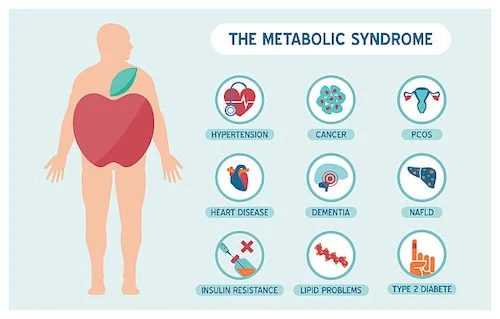
Hijacked Biology: Metabolic Syndrome and the Broken Feedback Loop
Metabolic syndrome isn’t a single disease. When you break it down, it’s actually a cluster of conditions including abdominal obesity, high blood pressure, elevated blood sugar, abnormal cholesterol, and insulin resistance.
Today, one in three American adults has it, and increasingly, we’re seeing it in children. This is likely the predictable result of a food environment that disrupts our biological systems.
When you eat ultra-processed foods, your blood sugar spikes rapidly. The pancreas floods the system with insulin to manage the glucose surge. But when this happens multiple times a day, the cells become overwhelmed.
They start ignoring insulin signals, like someone tuning out a constantly ringing alarm. The pancreas responds by producing even more insulin, creating a state of chronic hyperinsulinemia that promotes fat storage and prevents fat burning.
This metabolic chaos affects the brain directly. Insulin resistance in the brain impairs cognitive function and increases risk for Alzheimer’s – a reality that is now called “Type 3 diabetes” by some researchers.
The gut-brain axis becomes disrupted as processed foods alter the microbiome, reducing the production of neurotransmitters like serotonin.
In fact, 90% of the body’s serotonin is produced in the gut, and when gut bacteria are thrown off balance by processed foods, mood and cognitive function suffer.
Chronic inflammation from processed foods crosses the blood-brain barrier, contributing to depression and anxiety. The vagus nerve, which connects gut to brain, becomes dysregulated, affecting everything from heart rate to stress response.
This explains why people with metabolic syndrome are twice as likely to experience depression and why addressing nutrition should be fundamental to any mental health platform or personal growth platform.
The feedback loops that normally regulate appetite completely break down. Leptin resistance means your brain never gets the “I’m full” signal. Ghrelin remains elevated, keeping you hungry.
All this comes together, and it’s clear that your biology isn’t actually “broken” – it’s responding exactly as expected to an environment it was never designed to handle.
What We Can Do About Our Current Reality?
Knowing the problem empowers us to find solutions. But it’s clear that the answer isn’t another restrictive diet that treats symptoms.
We need to take steps to address the root causes and reclaim control from a system designed to make us sick. Here’s how to break free:
Get Serious About Stabilizing Your Blood Sugar
Focus on whole foods combining fiber, protein, and healthy fats. Eat vegetables first, then protein, then carbohydrates. This sequence has been shown to significantly blunt glucose spikes.
Avoid “naked carbs” and instead always pair carbs with fat or protein. If you’re curious about what your insulin levels are really up to, consider a continuous glucose monitor to understand your body’s responses. What spikes one person’s blood sugar might not affect another’s.
Rebuild Your Palate
Did you know that it takes just 10-14 days of avoiding ultra-processed foods for taste buds to reset?
Suddenly, an apple tastes sweet again. Vegetables have complex flavors. Your brain’s reward system recalibrates to appreciate real food.
But don’t go too hard too fast. Start with one meal. Make breakfast with whole foods only. Once that’s a habit, tackle lunch. Progressive change is more sustainable than a dramatic overhaul.
Movement as Medicine
Resistance training improves insulin sensitivity more effectively than cardio alone. Muscle tissue is metabolically active and helps regulate blood sugar even at rest.
Even a 10-minute walk after meals can reduce blood sugar spikes by 30%. Find movement you enjoy, whether that’s dancing, gardening, or playing with your kids.
Protect Your Family
Currently, a majority of calories in school meals come from ultra-processed foods. This must change if we hope to stem the tide. This means getting involved and joining parent groups advocating for better school nutrition.
Many districts have successfully implemented farm-to-school programs and scratch cooking. At home, limit screen time to reduce food marketing exposure—children see an average of 15 food commercials daily, 98% for processed foods.
One of the best ways to fight back? Get engaged and teach your children how to cook real food! Studies show kids who cook eat more vegetables and have healthier dietary patterns as adults.
Build a healthy lifestyle community with other families navigating these challenges. Share recipes, organize potlucks with whole foods, and create walking groups.
Sleep and Stress Management
Studies show that poor sleep increases ghrelin (hunger hormone) by 28% and decreases leptin (satiety hormone) by 18%.
That means that even one night of bad sleep increases next-day calorie consumption. Plus, chronic stress elevates cortisol, promoting abdominal fat storage and increasing cravings for high-calorie foods.
Prioritizing 7-9 hours of sleep and incorporating stress management techniques like meditation, breathwork, or time in nature can become an impressive way to care for yourself (and it’s free!)
Food Literacy as Liberation
Learn to decode labels. If it has more than five ingredients, contains ingredients you can’t pronounce, or includes added sugars in the first three ingredients, it’s likely ultra-processed.
Remember that “natural flavors” can contain up to 100 different chemicals. “Whole grain” products can be mostly refined flour with a sprinkle of whole grain.
Shop the perimeter of grocery stores where real food lives, such as produce, meat, and dairy. The center aisles are where the profitable processed foods lurk.
Consider joining a CSA (Community Supported Agriculture) or shopping at farmers’ markets.
Not only is the food often fresher and more nutritious, but you’re actively engaged in supporting a food system that prioritizes health over profit.
Don’t have one nearby? Start your own garden, even if it’s just herbs in a window. Growing food connects us to what real food actually is and teaches children that food comes from soil, not factories.
The Revolution Starts With Connection
This isn’t about perfection or never eating processed food again. It’s about consciousness. It’s about knowing what’s been done to our food system and making informed choices.
We must teach ourselves and our children that real food doesn’t need a marketing campaign or health claims on the package. We need to start recognizing that the solution is found in collective action and systemic change.
Every time we choose whole foods over processed, cook instead of ordering, or teach a child where food comes from, we’re resisting a system that profits from disease.
Every family meal, every community garden, every letter to a school board about nutrition, every conversation about mental health education that includes food’s impact on mood – each of these is an act of rebellion against an industry that has hijacked our health for profit.
The food industry wants us isolated, ashamed, and dependent on their products. Remember, they profit from our ignorance!
But when we come together, share knowledge, and support each other, we become unstoppable.
The path forward isn’t through another diet or wellness trend. It’s through building communities that support real food, advocating for policies that prioritize health over profit, and teaching the next generation that they deserve better than what the food industry is selling.
It’s time to reclaim our birthright to real food that nourishes rather than depletes, that satisfies rather than addicts, that heals rather than harms.
Ready to break free from the processed food trap and reclaim your health? Join AlignUs and discover a supportive community that transforms individual wellness into collective change.
Together, we’re building a movement that puts health before profit and connection before consumption. Join us today!
Why Your Doctor Never Talks About Root Cause Healing: Exposing the Sick-Care System and Reclaiming Your Health

You’ve been to doctor after doctor. Your lab results come back “normal,” yet you still feel exhausted, anxious, or in pain.
You leave with another prescription, another band-aid, another promise that this medication might help. Sound familiar?
You’re not imagining it. The healthcare system isn’t designed to heal you—it’s designed to manage you.
While your doctor likely entered medicine with genuine intentions to help people, the reality is that many are trapped in a system that rewards quick fixes over lasting solutions.
The reality? We don’t have a healthcare system in America. We have a sick-care system.
And knowing why your doctor never talks about root cause healing can help us make a shift against a structure that has turned healing into a transaction and patients into recurring revenue streams.
The Business of Medicine
Walk into any primary care office in America, and you’ll witness a carefully choreographed dance of efficiency.
The average appointment lasts just 15 minutes, which is barely enough time to describe your symptoms, let alone explore their origins.
This isn’t because doctors don’t care. It’s more about the bottom line – finances.
Insurance reimbursements are tied to volume, not outcomes. A physician who spends an hour diving deep into your lifestyle, trauma history, and environmental factors earns the same (or often less) than one who sees four patients in that same hour.
The math is simple and brutal: depth doesn’t pay.
Insurance companies have created a coding system that reduces the complexity of human health to billable line items.
There’s a code for prescribing blood pressure medication (pays well), but no code for teaching someone how stress and inflammation create hypertension in the first place (pays nothing).
There’s reimbursement for ordering tests and procedures, but little to no reimbursement for the time-intensive work of helping patients understand how lifestyle factors might be driving their symptoms.
The Prescription Profit Pipeline
The pharmaceutical industry spends over $4.5 billion annually marketing directly to physicians. That’s roughly $20,000 per doctor, every year.
When a patient presents with depression, the path of least resistance is clear: prescribe an antidepressant. It takes three minutes, insurance covers it, and there’s extensive “evidence” supporting its use.
What takes much longer (and what insurance rarely covers) is exploring whether that depression might stem from nutrient deficiencies, gut dysbiosis, chronic inflammation, unprocessed trauma, or toxic relationships.
The reality is that these conversations don’t fit into 15-minute slots or predetermined treatment algorithms.
The system has created a self-perpetuating cycle:
- Patients expect quick fixes because that’s what they’ve been conditioned to receive.
- Doctors provide them because that’s what they’re trained and incentivized to do.
- Insurance companies profit from managing chronic conditions rather than preventing them.
- Pharmaceutical companies thrive on lifetime customers, not one-time cures.
If every diabetic patient reversed their condition through dietary changes and lifestyle modifications, the diabetes management industry—worth over $327 billion annually—would collapse.
If people addressed the root causes of their anxiety instead of medicating it, the anti-anxiety medication market would lose billions in revenue.
The economic engine of modern medicine depends on chronic disease management, not resolution.
This creates an inherent conflict of interest. A healthy lifestyle community that empowers people to heal themselves threatens the financial foundation of our medical system.
That’s why mental health education that teaches people to understand and address their own emotional patterns isn’t prioritized. It doesn’t generate recurring revenue.
A personal growth platform that helps individuals take control of their health journey disrupts the traditional patient-dependent model.
And those doctors who do attempt to practice root cause medicine? They often find themselves swimming against a powerful current.
They face pressure from administrators and risk insurance audits for spending “too much time” with patients.
They may even face scrutiny from medical boards for recommending “alternative” approaches like dietary interventions or stress management before pharmaceuticals.
The Missing Chapter in Medical School: Nutrition, Lifestyle, and Prevention
Here’s a statistic that should shake your faith in the system: the average medical student receives just 19 hours of nutrition education during their entire four-year training.
Nineteen hours to understand the foundation of human health. That’s less time than they spend learning to prescribe a single class of medications.
Meanwhile, research consistently shows that dietary interventions can be as effective as – or more effective than – medications for conditions ranging from Type 2 diabetes to depression.
For instance, the Mediterranean diet reduces heart disease risk by 30%. Elimination diets can resolve decades of chronic symptoms.
Yet most doctors graduate knowing more about pharmaceutical interventions than they do about the food that literally becomes our cells, tissues, and organs.
This educational gap isn’t accidental. Medical school curricula are influenced by the same economic forces that shape practice.
Physicians are trained to be excellent at managing disease with drugs and procedures, but poorly equipped to help patients prevent or reverse illness through lifestyle changes.
The Holistic Blindspot
Root cause healing requires knowing and communicating the interconnected systems of the human body and life experience.
Traditional medical training compartmentalizes the body into specialties as if these systems operate independently.
But your gut health affects your mental health. Your stress levels impact your immune function. Your childhood trauma influences your inflammatory response.
Everything is connected, yet medical education treats the body like a machine with separate, non-communicating parts.
Functional and integrative medicine practitioners undergo additional training to bridge these gaps. They’re trained to look for patterns, such as how mercury exposure might trigger autoimmunity or how mold exposure might cause chronic fatigue.
But this education happens outside traditional medical schools, often at the practitioner’s own expense and time.
The Prevention Paradox
Perhaps the greatest irony of medical education is how little time is devoted to keeping people healthy in the first place.
The tools of prevention – mental health education, stress management techniques, nutritional optimization, movement practices – are rarely or barely mentioned in medical school.
This educational model creates physicians who are incredibly skilled at crisis intervention but poorly prepared for health creation. They can save your life during a heart attack, but may not know how to help you prevent one through comprehensive lifestyle modification.

The Prescription Reflex: Why We Treat the Symptom, Not the System
When you walk into a doctor’s office with chronic pain, the reflex is predictable: prescribe painkillers.
When you report anxiety, here’s an anti-anxiety medication. Insomnia? Take a sleeping pill. Depression? Antidepressants.
This approach is like disconnecting the smoke alarm instead of putting out the fire. The alarm stops, but the house is still burning – and fast.
This prescription reflex has created a culture where Americans consume 75% of the world’s prescription drugs despite making up less than 5% of the global population. We’ve normalized the idea that feeling unwell is inevitable and that medication is the solution.
But medications designed to suppress symptoms often create new problems, leading to what medicine calls “polypharmacy” – the use of multiple medications that interact in complex, sometimes dangerous ways.
The Inflammation Connection Nobody Talks About
Here’s what your doctor might not tell you: the majority of chronic symptoms share a common underlying mechanism – inflammation.
Whether you’re dealing with depression, chronic pain, digestive issues, or autoimmune conditions, inflammation is likely playing a central role.
Yet instead of addressing what’s causing the inflammation, we treat each symptom separately.
Inflammation can be triggered by countless factors:
- Processed foods
- Chronic stress
- Environmental toxins
- Hidden infections
- Poor sleep
- A sedentary lifestyle
- Unresolved trauma
A comprehensive approach would typically investigate these triggers. But that requires time, education, and a healthcare model that values investigation over prescription.
It’s faster and more profitable to prescribe an antidepressant than to help someone understand how their inflammatory diet and chronic stress are driving their depression.
The research is clear: addressing inflammation through diet, movement, stress management, and targeted supplementation can resolve numerous chronic conditions.
But this approach requires something our medical system isn’t designed to provide – a partnership between practitioner and patient, where the patient becomes an active participant in their healing journey rather than a passive recipient of prescriptions.
It requires mental health education that goes beyond symptom suppression. It demands a personal growth platform that empowers individuals to understand and address their own health challenges.
Becoming Your Own Advocate
The most radical act you can take in our current healthcare system is to become curious about your own body. It’s a shift toward asking “why” instead of just “what.”
Why do I get headaches every afternoon?
Why does my energy crash at 3 PM?
Why do certain foods make me feel terrible?
These questions are the beginning of true healing.
Becoming your own health advocate means expanding your toolkit beyond it. Start by tracking your symptoms, not to report them to your doctor, but to understand them yourself.
Notice patterns. Does your joint pain worsen after eating certain foods? Does your anxiety spike after poor sleep? These observations are data and can offer valuable information that can guide your healing journey.
Questions That Change Everything
When you do see healthcare providers, arrive prepared with different questions. Instead of “What can you give me for this symptom?” try asking:
- “What could be causing this symptom?”
- “Are there lifestyle factors that might be contributing?”
- “What would this look like from a root cause perspective?”
- “Are there tests we can run to understand the underlying mechanisms?”
- “What would you do if you couldn’t prescribe medication?”
If your doctor dismisses these questions or seems unable to answer them, it might be time to expand your healthcare team.
Seek out functional medicine practitioners, naturopaths, or integrative physicians who are trained to investigate root causes.
Yes, insurance might not cover these visits, but consider this: what’s the real cost of staying sick?
Building Your Healing Ecosystem
True healing rarely happens in isolation. It requires what we might call a healing ecosystem. You could think of it as a supportive environment that nourishes your journey toward health.
This might include joining a healthy lifestyle community where others are on similar journeys. It could mean working with a health coach or finding a mindset and life coach who can help you identify and shift limiting beliefs about your health.
Consider exploring modalities that conventional medicine often overlooks.
- Breathwork can regulate your nervous system more effectively than many anxiety medications.
- Meditation has been shown to reduce inflammation markers and improve immune function.
- Acupuncture can address chronic pain without the risks of opioid dependency.
Creating a personal growth platform for your health might include podcasts that educate and inspire. Listening to a health and wellness podcast or personal growth podcast can provide the education and motivation our medical system fails to deliver.
Understanding the difference between mental health coaching vs therapy can help you choose the right support for your emotional well-being.

The Revolution Starts With You
The sick-care system isn’t going to reform itself. There’s too much money at stake, too many entrenched interests, too much momentum behind the status quo.
But here’s the empowering truth: you don’t need to wait for the system to change. You can opt out of the parts that don’t serve you and build something better for yourself.
Imagine a different world. One where your first response to feeling unwell is curiosity, not fear.
Where you’re supported by a healthy lifestyle community that celebrates progress, not perfection.
This world is already emerging.
- Functional medicine clinics are opening across the country.
- Mental health education is expanding beyond symptom management to include nutrition, movement, and nervous system regulation.
- People are gathering in fitness challenge platforms that make wellness social and supportive rather than isolating and punitive.
- Communities are forming around shared values of true health rather than just the absence of disease.
- Technology is democratizing access to health information and support.
- A health and wellness podcast can provide more practical health education in one episode than many receive in years of doctor visits.
- Digital philanthropy platforms are connecting health initiatives with communities in need.
- The rise of positive social media platforms is creating spaces where people can share their healing journeys without judgment, finding support and inspiration from others walking similar paths.
Are You Ready to Take Your First Step?
If you’re ready to step out of the sick-care system and into true healing, here’s where to start:
Change Your Mindset.
Stop seeing yourself as a passive patient waiting for someone else to fix you. You are the CEO of your own health. Your doctor is a consultant, not the boss. Your symptoms are teachers, not enemies. Your body is wise, not broken.
Build Your Team.
Find practitioners who listen, who ask about your whole life, not just your symptoms. Those who are curious about causes, not just quick fixes.
This might include a functional medicine doctor, a naturopath, a mindset and life coach, a therapist who understands trauma’s impact on the body, or a nutritionist who sees food as medicine.
Educate Yourself.
But be discerning. The internet is full of both wisdom and nonsense. Look for evidence-based information from practitioners who understand both conventional and integrative approaches.
Listen to a personal growth podcast that challenges you to think differently about health. Join mental health education in schools initiatives that are teaching the next generation a more holistic view of wellbeing.
Experiment with Courage.
Try the elimination diet even if your doctor says food sensitivities aren’t real. Explore breathwork even if it seems “woo-woo.” Prioritize sleep even if it means saying no to evening commitments. Track your symptoms and look for patterns.
Your body is unique, and what works for others might not work for you – but you’ll never know unless you try.
Find Your Tribe
Healing happens in community. Whether it’s a social giving platform that connects wellness with purpose, a personal growth platform that provides tools and support, or a local group of people committed to health, find others on similar journeys.
Share what you learn. Support each other through setbacks. Celebrate victories together.
The Choice Is Yours
You stand at a crossroads. Down one path is the familiar route: accepting symptoms as inevitable, accumulating prescriptions, managing decline. It’s the path of least resistance, fully covered by insurance, socially acceptable, and ultimately unsatisfying.
Down the other path is something different: investigation, empowerment, and real healing. It requires more effort, might cost more upfront, and definitely challenges the status quo. But it leads to vibrant health, genuine understanding of your body, and freedom from the sick-care system’s limitations.
The medical establishment won’t tell you about this second path. Your insurance won’t cover much of it.
Many of your friends and family might not understand it. But thousands of people are walking it right now, reversing “irreversible” conditions, eliminating “lifelong” medications, and discovering levels of health they didn’t know were possible.
Ready to be part of a health revolution that puts root cause healing at the center? Join the AlignUs community and discover a platform for social impact that transforms individual wellness into collective change.
Because true health isn’t just personal – it’s revolutionary.
How to Live to 100: Lessons from the Blue Zones
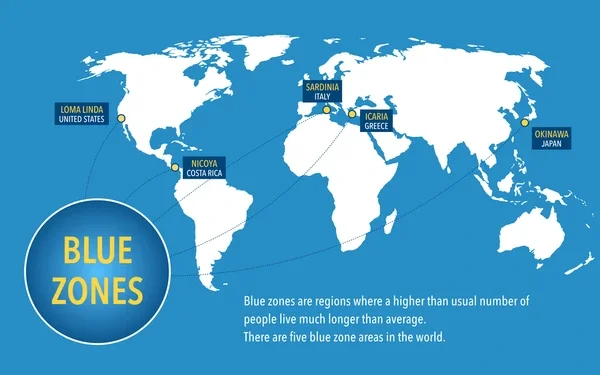
Picture a 102-year-old woman in Okinawa, Japan, squatting in her garden to pull sweet potatoes from the earth.
In Sardinia, Italy, a centenarian shepherd walks five mountainous miles daily with his flock.
On the Nicoya Peninsula of Costa Rica, a 95-year-old man bikes to visit his great-grandchildren every afternoon.
These aren’t exceptional cases in their communities – they’re actually the norm in their parts of the world!
These regions, along with Ikaria, Greece, and Loma Linda, California, make up the world’s five Blue Zones – places where people routinely live past 100 with remarkable vitality.
While the average American lifespan has actually declined in recent years, residents of these zones are ten times more likely to reach their hundredth birthday than those in the United States.
The most impressive parts? They’re doing it without expensive supplements, biohacking trends, or grueling fitness regimens.
What If We’ve Got Health & Wellness Backwards?
Everyone wants to live a long and healthy life. But what if everything we think we know about longevity is backwards?
What if the secret isn’t in the latest superfood or exercise craze, but in the simple, time-tested patterns of daily life that these communities have maintained for generations?
A study revealed that only about 20% of our lifespan is determined by genetics – the other 80% comes down to lifestyle and environment. It’s the famous Pareto Principle made human.
This means that most of us have far more control over our longevity than we realize. The question isn’t whether we can live longer, healthier lives, but whether we’re willing to learn from those who’ve already mastered the art.

The Power of Daily Movement vs. Sedentary Lifestyles
In Blue Zones, there are no gyms. No CrossFit boxes, no Peloton bikes, no marathon training groups.
Seems horrifying? Maybe to our Western minds.
Yet these populations have some of the lowest rates of cardiovascular disease and obesity in the world. The secret lies in what researchers call “natural movement” – the kind of natural movement that’s woven easily into daily life.
Natural Movement with Intentionality
If you’re like many, you need your Apple Watch to tell you “Time to Stand!” to actually get up from your desk.
Blue Zone residents are naturally nudged into moving approximately every 20 minutes throughout their day. They don’t rely on technological reminders.
They knead bread by hand, tend gardens without power tools, and walk to the market, to church, to visit friends.
In Okinawa, people sit on the floor and rise dozens of times throughout the day – basically, doing squats without thinking about it. This constant, gentle movement keeps their bodies functional well into their tenth decade.
Compare this to modern industrialized societies, where the average adult sits for more than 10 hours daily. We’ve engineered movement out of our lives with remote controls, elevators, cars, and endless labor-saving devices.
Then we try to compensate with an hour at the gym (if we make it there at all).
Research shows that within seven months of starting an exercise program, 90% of people have quit. The pattern is unsustainable because it fights against, rather than flows with, our daily rhythms.
The impact goes beyond just physical fitness. This natural movement throughout the day acts as a powerful regulator for our nervous systems.
Unlike the stress of high-intensity workouts that can spike cortisol, gentle, consistent movement helps maintain balanced blood sugar, reduces inflammation, and keeps stress hormones in check. It’s the difference between a river that flows steadily and one that alternates between drought and flood.
Even small increases in daily movement – like taking stairs instead of elevators or walking to nearby errands – can reduce mortality risk by 17%. Meanwhile, each additional 30 minutes of sedentary time substantially increases our risk of early death.
The modern world’s approach of sitting all day then “burning it off” at the gym simply doesn’t work for longevity.
For those seeking a healthy lifestyle community, the lesson is clear: sustainable health isn’t built in spurts of intense effort but in the accumulation of countless small movements throughout each day.
This natural movement philosophy could transform how we think about mental health education in schools and workplaces, shifting focus from mandatory PE classes or corporate gym memberships to designing environments that encourage constant, gentle activity.
Eating to Nourish, Not to Restrict
Walk through any Blue Zone kitchen and you’ll find a striking absence of diet books, calorie counters, and protein shakes.
Yet these populations maintain healthy weights and have remarkably low rates of diabetes, heart disease, and cancer. Their secret isn’t in what they eliminate but in how they approach food as a whole.
Blue Zone diets are predominantly plant-based. This isn’t necessarily by ideology but by tradition and circumstance.
Vegetables, legumes, whole grains, and fruits make up about 95% of their dietary intake. Meat appears sparingly, perhaps 11-15 pounds per year compared to over 200 pounds for the average American.
Eating as an Act of Mindfulness
But the what of their eating tells only part of the story. The how might be even more important.
In Okinawa, people practice “Hara Hachi Bu” – a Confucian teaching that reminds them to stop eating when they’re 80% full. This practice alone could account for the significantly lower caloric intake that contributes to their longevity. There’s no obsessive measuring or restricting; just a cultural practice of mindful consumption passed down through generations.
Meals in Blue Zones are communal events, not rushed refueling stops. Families gather, conversations flow, and eating becomes an act of connection rather than consumption.
Food is prepared at home from whole ingredients – there’s no DoorDash delivering processed meals to their doors. The slowness of preparation and consumption allows the body’s satiety signals to work properly, preventing the overeating that’s become epidemic in fast-food cultures.
This stands in sharp contrast to Western diet culture’s pendulum swing between restriction and excess. We’ve turned eating into a moral battlefield where food is either virtuous or sinful, creating stress and guilt around one of life’s most basic needs.
This toxic relationship with food contributes to both physical and mental health challenges, from eating disorders to metabolic dysfunction.
Do the Blue Zones Offer a New Way Forward?
The Blue Zones approach offers a blueprint for social emotional learning around food – teaching not just nutrition facts but the emotional and social intelligence of eating.
When we understand food as nourishment rather than numbers, as connection rather than calories, we naturally gravitate toward patterns that support longevity.
This perspective could revolutionize mental health education programs that address the anxiety and disordered eating patterns increasingly common in modern society.
What these centenarians understand intuitively is that sustainable health doesn’t come from perfect adherence to strict rules but from flexible patterns that accommodate life’s natural rhythms.
They eat cake at celebrations, drink wine with friends, and enjoy the foods their grandparents ate without guilt or compensation. This balance – neither deprivation nor excess – might be the most radical lesson they offer our diet-obsessed culture.

Social Connection and Purpose as Medicine
Here’s an anecdote that might change how you think about social connection and health.
In Okinawa, children are placed into moais at age five—small groups of friends who commit to supporting each other for life. Researchers discovered that one moai had been meeting daily for 97 years, with members now averaging 102 years old.
Every day they gather to share sake and stories. If someone doesn’t show up, the others walk across the village to check on them.
This level of social integration stands in stark contrast to what the U.S. Surgeon General has called an “epidemic of loneliness.” Nearly half of Americans report feeling lonely regularly, and one in five say they have no one to turn to in times of need.
This isolation isn’t just emotionally painful. It’s physically deadly. Research shows that chronic loneliness increases mortality risk by 26-32%, roughly equivalent to smoking 15 cigarettes a day.
Blue Zone residents don’t just have social connections; they have intergenerational, purposeful bonds that give structure and meaning to their days.
Grandparents live with or near their children and grandchildren. Elders are valued as sources of wisdom rather than viewed as burdens.
This arrangement benefits everyone. Studies show that in homes with grandparents present, children have lower rates of disease and behavioral problems.
Finding Your “Why”
Perhaps even more powerful than social connection is what the Japanese call ikigai and Costa Ricans call plan de vida – essentially, your reason for waking up in the morning.
In Blue Zones, this sense of purpose doesn’t retire at 65. A 95-year-old Sardinian shepherd still tends his flock. A centenarian in Loma Linda volunteers for seven different organizations. An Okinawan great-great-great-grandmother describes holding her newest family member as “jumping into heaven.”
Research validates what these communities demonstrate: people who can articulate their sense of purpose have a 15% lower risk of death and may live up to seven years longer.
Purpose acts as a buffer against stress, provides motivation for healthy behaviors, and creates a framework for making decisions that support wellbeing.
It’s a form of social emotional learning that many modern educational systems completely overlook.
The modern world, by contrast, often reduces purpose to career achievement, leaving millions adrift after retirement or devastated by job loss.
We’ve created a culture where worth is tied to productivity, where “What do you do?” is the first question at social gatherings.
This narrow definition of purpose contributes to the burnout, anxiety, and existential crisis that characterize modern life, particularly in achievement-obsessed societies.
The Right Tribe Effect
“Show me your friends, and I’ll show you your future,” goes the saying, and Blue Zone research confirms this wisdom.
Health behaviors are contagious. Science has shown that if your friend becomes obese, your own chances of obesity increase by 57%. If they’re happy, you’re 15% more likely to be happy.
Blue Zone residents instinctively understand this and cultivate what researchers call “the right tribe” – social circles that reinforce healthy behaviors.
This social reinforcement explains why individual willpower so often fails in isolation. You might commit to healthier habits, but if your environment and relationships don’t support them, the friction becomes overwhelming.
A personal development platform that ignores the social context of change is fighting an uphill battle. Real transformation happens when communities transform together.
Stress Management as a Daily Ritual
Every Blue Zone culture has built-in pressure valves for daily stress. These are what researchers call “downshifting.”
Sardinians gather for happy hour. Ikarians take afternoon naps. Okinawans take moments to remember their ancestors.
The science behind these practices is compelling. Regular napping can reduce heart disease risk by up to 35%. Prayer and meditation measurably lower inflammatory markers. Time in nature reduces cortisol levels.
Yet in the modern world, we’ve labeled these practices as lazy or unproductive, replacing them with a culture of constant hustle that’s literally killing us.
Chronic stress triggers a cascade of physiological responses that accelerate aging at the cellular level. It suppresses immune function, disrupts sleep, impairs digestion, and contributes to every major age-related disease.
Blue Zone residents experience stress too – financial worries, health concerns, family conflicts – but their daily rituals prevent acute stress from becoming chronic. They process and release stress regularly rather than letting it accumulate.
Beyond the Biohacking Trend
Here’s the problem. We spend billions on supplements, apps, and gadgets promising to “hack” our stress. We attend occasional yoga classes or meditation workshops, then return to lives designed for maximum stress.
Essentially, we treat stress management as another task to optimize rather than understanding it as a way of living.
In Ikaria, where people have one-fifth the rate of cardiovascular disease as Americans, they naturally spend a fraction of what Americans do on healthcare.
Instead, their environment naturally promotes stress reduction. The pace of life is slower. Meals are leisurely. Work includes natural breaks. The siesta isn’t seen as lost productivity but as essential maintenance for body and mind.
This approach to stress could revolutionize mental health education in schools and workplaces.
Instead of adding stress management workshops to already overwhelming schedules, what if we redesigned the schedules themselves? What if breaks weren’t privileges but requirements?
What if slowing down was seen as a strength rather than a weakness?
Creating Your Own Rituals
The beauty of Blue Zone stress management is its accessibility. You don’t need expensive equipment or special training.
You need consistency and permission. You must give yourself permission to pause, to rest, to prioritize your nervous system’s need for regulation.
This might look like a daily walk without your phone, a tea ceremony in the afternoon, or a gratitude practice before meals.
These rituals work because they interrupt the stress response before it becomes chronic. They create predictable moments of safety that allow the nervous system to reset.
Over time, they build resilience. Not the kind that lets you endure more stress, but the kind that helps you need less of it in the first place.
For organizations positioning themselves as a platform for social impact, this understanding of stress management offers profound implications.
True social impact might not come from doing more but from modeling a different way of being. It could value restoration as much as achievement, connection as much as productivity, and wisdom as much as innovation.
Designing Your Personal Blue Zone
The most profound insight from Blue Zones research might be this: the world’s longest-lived people aren’t trying to live to 100.
They’re not counting steps, tracking macros, or optimizing their morning routines. They’ve simply created lives where the healthy choice is the default choice.
This shift in perspective – from individual willpower to environmental design – could transform how we approach health and longevity.
Instead of asking “How can I force myself to exercise?” we might ask “How can I design my day to include natural movement?”
Rather than “What diet should I follow?” we could consider “How can I make wholesome foods the easiest option?”
Start small. Place a bowl of fruit on your counter. Take meetings while walking. Create a weekly ritual with friends that involves movement – hiking, gardening, dancing.
Join or create a healthy lifestyle community where your healthy choices are celebrated and supported. These aren’t dramatic changes, but research shows they’re the ones that last.
The Choice Is Ours – Will You Choose the Blue Zone Life?
The Blue Zones teach us that living to 100 isn’t about winning a genetic lottery or discovering a fountain of youth. It’s about creating environments and communities that naturally support human flourishing.
As we face a future where chronic disease, mental health challenges, and social isolation threaten to reverse centuries of health progress, the Blue Zones provide a blueprint for human thriving.
They remind us that health isn’t something we achieve but something we cultivate, not something we buy but something we build together.
Want to transform your approach to wellness and create lasting change in your community? Join AlignUs today and discover how our platform for social impact can help you build the connections, purpose, and healthy rituals that lead to a longer, more meaningful life.